
Orbital Welding Service Company in Khamis Mushait
Get repeatable TIG welds for critical piping, skids and process lines with onsite support for industrial sites in and around Khamis Mushait.
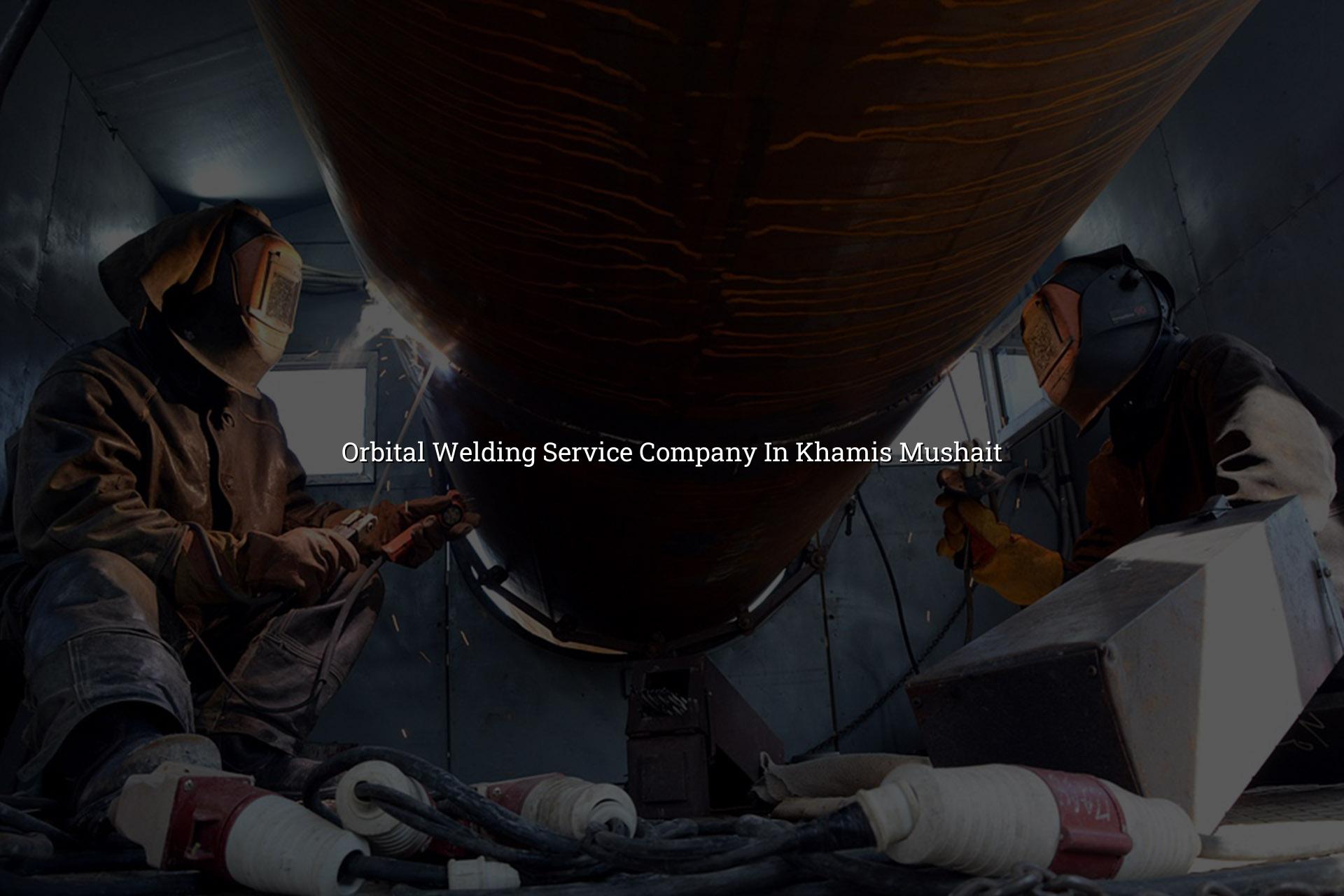
Orbital welding service company in Khamis Mushait support matters when your piping lines need clean, repeatable welds and your schedule cannot handle rework. We help teams that need a controlled TIG process for tube and pipe joints, especially on process, utility and skid packages where weld quality has to stand up to inspection.
From our Saudi Arabia operations in Dammam Industrial City 2, we support industrial clients across the Kingdom with orbital welding, inspection, commissioning and related mechanical work. In practice, that means less variation from one joint to the next, better traceability for QA teams, and a service path that fits real site conditions in Asir-region projects and other Saudi industrial facilities.
Orbital welding service company in Khamis Mushait for critical lines
Most teams ask for orbital welding when the joint geometry, cleanliness level or quality expectation is tighter than what a hand weld can comfortably hold every time. Automated TIG (GTAW) welding gives you a steady arc path, controlled heat input and a more uniform bead profile, which is useful on stainless pipe, hygienic tubing, instrument lines and process systems that need dependable repeatability. For Khamis Mushait projects, that often comes up in oil and gas support work, utility packages, plant maintenance shutdowns and packaged equipment installation.
Where we usually see the need
We get calls from maintenance managers and project engineers who are dealing with cramped pipe racks, time pressure and inspection checkpoints. In those cases, orbital welding can reduce the back-and-forth that comes with manual weld repair, especially when the client wants the same weld profile across a batch of joints. It also helps when documentation matters, because QA and inspection teams want the work tied to a controlled method, not just a good-looking finish.
Why the process suits Saudi industrial work
Saudi sites often run on tighter asset integrity expectations, and that is exactly where orbital welding earns its place. Process lines in petrochemical, power and cold-chain facilities do not all behave the same, so a controlled welding method helps keep joint quality more consistent from the first fit-up to the final pass. When the site is in or around Khamis Mushait, we plan for local access, site rules and the practical realities of working in live industrial environments.
- Review the line and joint data — we check pipe size, material, wall thickness, access, and whether the job needs shop or site execution.
- Confirm fit-up and cleanliness — the joint has to be prepared properly, because an orbital head cannot rescue poor prep.
- Set the welding parameters — the program is matched to the material, diameter and application so the heat input stays under control.
- Run the weld and inspect it — the joint is completed, checked and handed over with the right QA conversation for the site team.
- Better repeatability on stainless pipe and tubing than ad hoc manual welding.
- Useful for instrument lines, utility piping, process skids and hygienic runs.
- Helps reduce weld-to-weld variation when the same joint must be duplicated many times.
- Fits projects where inspection records and controlled workmanship matter to the client.
Orbital welding versus manual TIG on site
| Point of comparison | Orbital welding | Manual TIG |
|---|---|---|
| Repeatability | High once the program and setup are fixed | Depends more on the individual welder and site conditions |
| Best fit | Small-diameter pipe, tube, instrument and hygienic lines | General fabrication, access issues and varied field repairs |
| Quality control focus | Fit-up, cleanliness, programming and inspection records | Welder skill, visibility and hands-on control of the torch |
| Typical site value | Consistent weld profile for critical lines and repeated joints | Flexibility for irregular joints and mixed repair work |
What makes a good orbital welding job hold up in inspection
A good weld is not just the bead you can see. On a real industrial job, the setup has to survive fit-up checks, material verification, gas control, purge discipline and whatever inspection the client has lined up. For Khamis Mushait sites, that often means working around maintenance windows, live plant access rules and the need to keep neighbouring systems safe while the weld is being completed.
We pay attention to the details people usually miss
Small things matter here. If the tube end is not prepared cleanly, if the purge is rushed, or if the head is not matched correctly to the diameter, the joint quality suffers fast. That is why our team treats orbital welding as a controlled field process, not just a machine dropping a bead. It is a lot more like planned industrial work than quick fabrication, and your QA team will feel the difference.
Useful for live project environments
We often support customers who need welding alongside calibration, inspection, testing and mechanical services in the same shutdown. That saves coordination time and cuts the number of vendors you have to manage on a busy site. It also helps when your project team wants one conversation for multiple technical tasks, not four different calls.
How we approach orbital welding work in Khamis Mushait
When you contact us, we start with the application. A stainless instrument line in a utility area is not handled the same way as a process pipe on a package skid. The material, diameter, location and access all change the plan. That is why our first discussion tends to be practical: what is the line, where is it installed, and what do your inspectors expect to see before handover?
From there, we decide whether the job fits onsite execution, workshop preparation or a mix of both. Some clients in Saudi Arabia prefer us to handle the work close to the plant so the schedule stays tighter. Others want prep, welding and inspection tied to a larger maintenance scope. Either way, we keep the method clear, the handover structured, and the communication with your team direct.
Common use cases we see
Orbital welding is especially useful on small-bore lines, hygienic tubing and any situation where the same joint has to be reproduced many times without a lot of variation. That is why it shows up so often in pharmaceutical support areas, food and beverage utilities, cold-chain systems and industrial gas or process applications. In our experience, the job gets easier when the project team brings the line data early and does not leave fit-up decisions until the last minute.
- Material and diameter are reviewed before the weld plan is fixed.
- Fit-up and purge checks are treated as part of the job, not as afterthoughts.
- Inspection expectations are discussed before site work starts.
- We coordinate with related mechanical, testing and commissioning tasks where needed.
Which industries in Saudi Arabia ask for orbital welding most often?
The short answer is the industries that cannot afford sloppy joints. Oil and gas and petrochemical clients want traceable workmanship on process and utility lines. Power projects often need the same thing around auxiliaries and clean service lines. Food, pharmaceutical and cold-chain sites focus on cleanliness and repeatability, which is exactly where orbital welding earns its keep.
In Khamis Mushait, we also see interest from contractors and maintenance teams supporting military, healthcare, manufacturing and engineering facilities in the wider Asir region. The pattern is usually the same: a critical line, a tight area, and a client who wants the welds to look consistent across the whole run. That is a good sign you should at least look at orbital welding instead of trying to force a manual method onto the job.
Good fit for repeated small-bore work
If your scope includes a batch of similar joints, orbital welding becomes easier to justify because the same program can support multiple connections once the setup is right. That kind of consistency is hard to get from general field welding when the access is awkward and the deadline is tight.
How Mayon Industrial Services Can Help
We support Saudi clients with orbital welding, mechanical services, inspection, testing and commissioning, so you can keep one technical partner across a shutdown or new installation. If your job in Khamis Mushait needs orbital welding as part of a broader piping scope, we can help plan the work, execute it properly and keep the handover conversation focused on the actual job. Our team also works alongside calibration and laboratory setup projects when a client has mixed technical needs on one site.
Call +91 99447 80844 (India) or +966 59 633 8012 (Saudi Arabia), email services@mayonservices.com, or message us on WhatsApp.
Frequently Asked Questions
We handle controlled TIG welding for pipe and tube joints where repeatability matters. The work usually starts with fit-up review, purge control and parameter setup, then moves into welding and inspection. It is a good fit for small-diameter lines, instrument tubing and critical process runs.
For repeated stainless tubing work, yes, it often is. The main advantage is consistency from joint to joint, especially where access is tight and the client wants a uniform weld profile. Manual TIG still has its place, but orbital welding usually gives the QA team a cleaner and more controlled result on repetitive work.
Yes, it can, provided the site conditions and joint access make sense for the equipment. We support Saudi projects from our Dammam Industrial City 2 operations and work with clients who need field welding support on industrial sites. The key is to review access, cleanliness and inspection expectations before the job starts.
We usually see interest from oil and gas support work, petrochemical maintenance, power projects, cold-chain systems, food and beverage, pharmaceutical support areas and general manufacturing. Any site with critical small-bore piping or repeated joints may be a candidate. The application matters more than the label on the facility.
Send the pipe or tube material, size, wall thickness, location, quantity of joints and any inspection or handover requirements you already have. If you can share photos of the access area, that helps too. The clearer the scope is at the start, the easier it is to plan the work without delays on site.
Need orbital welding done with less guesswork?
Send us your pipe details and site location, and we’ll help you decide the cleanest way to handle the work.
Contact Mayon