
Orbital Welding Service Company in Red Sea
Automated TIG welding support for pipe and tube work that needs repeatable quality in Red Sea and GCC projects.
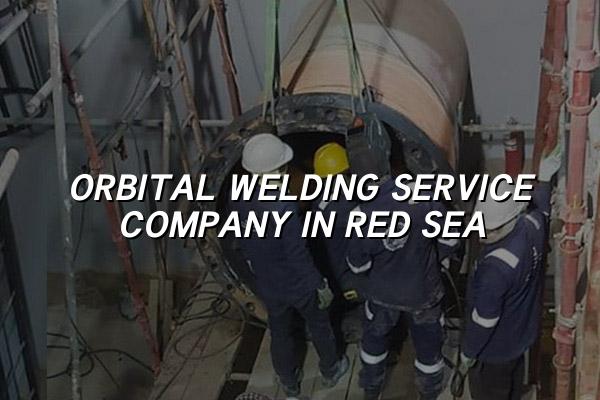
Orbital welding service company in Red Sea projects is usually the phrase people type when they need clean, repeatable welds on pipe and tube runs without gambling on site variability. If that's your brief, our team helps you keep weld quality consistent, traceable and ready for inspection.
We work with clients who manage process lines, utility skids, stainless systems and critical piping in Saudi Arabia and the wider Middle East. In our experience, the pain point is rarely the weld itself; it's the control around fit-up, shielding, documentation and getting the job done in tight plant spaces.
Why an Orbital Welding Service Company in Red Sea Matters
Orbital welding is automated TIG welding, usually GTAW, where the torch moves in a controlled path around the pipe or tube. That control matters on hygienic lines, stainless process piping, instrument tubing and any run where uniform root quality, bead shape and repeatability are part of the job. For Red Sea and GCC projects, it helps when the client expects the weld package to hold up under inspection, commissioning and later maintenance checks.
Where orbital welding fits best
We see the best results on work that needs consistency from weld to weld: pharmaceutical and food-grade piping, cold-chain systems, utility headers, water service loops, and fabrication tied to oil & gas or petrochemical plants. If the line is short, the access is poor, or the acceptance bar is high, hand welding can turn into rework fast. Orbital welding gives the crew a better starting point, especially where clean purge control and repeatable heat input are non-negotiable.
How we prepare the job
Preparation decides the outcome. Before the first pass, we look at material, wall thickness, joint design, cleanliness, purge setup and whether the assembly can be fixtured properly. We also plan around the actual site conditions in Saudi industrial zones or Middle East project yards, because a perfect weld head means little if the access, power supply or gas management is weak.
- Review the spool and joint data — we check size, material, schedule and the weld count so the setup matches the actual pipe or tube run.
- Prepare the fit-up — the ends must be clean, aligned and properly clamped before the machine starts to weld.
- Set purge and shielding control — gas coverage is checked so the root side and torch side stay protected.
- Run the programmed weld cycle — the head travels with controlled parameters to keep bead profile and fusion consistent.
- Inspect and document — we review the weld visually and, where required, align the job with the inspection or test plan.
- Use orbital welding for pipe and tube joints where repeatability matters more than speed alone.
- Keep material cleaning strict, especially on stainless systems and hygienic service lines.
- Plan for purge quality early; poor shielding usually shows up as rework later.
- Match the setup to the site, not the other way around, especially on live plant tie-ins.
Orbital Welding vs Manual TIG for Red Sea Projects
| Job factor | Orbital welding | Manual TIG |
|---|---|---|
| Repeatability | Very consistent once the program and fit-up are set correctly | Depends heavily on the welder's hand control and site conditions |
| Best use case | Pipe and tube work with repeat joints and tight quality requirements | Repairs, awkward access and mixed fabrication where automation is hard |
| Setup focus | Program, purge, clamping and alignment matter most | Welder skill, torch control and steady access matter most |
| Inspection readiness | Good fit for formal weld records and controlled quality checks | Can be acceptable, but variability is usually higher |
What Clients Usually Ask Before Starting
Most engineering teams want to know if orbital welding will suit their joint geometry, what material preparation is needed and how the work will be checked. That is fair. For Red Sea and GCC projects, the answer usually comes down to access, cleanliness, material grade and whether the line needs a controlled weld record for commissioning, maintenance or client handover.
Standards and project discipline
Where the job calls for traceable competence, we work within the quality expectations our clients already use on site. For welding-linked systems, that often means pairing the fabrication plan with inspection steps, pressure checks or commissioning support, so the welding activity fits the wider plant procedure instead of sitting apart from it.
Built for real plant conditions
We keep the setup practical. If the assembly has to be moved, lifted, purged, tested or tied into other mechanical work, our team can coordinate the sequence instead of treating welding as a standalone task.
Common Issues We Watch for on Orbital Welding Jobs
Fit-up that looks good until welding starts
Small misalignment, burrs or poor squareness can spoil the root pass. On orbital jobs, the machine doesn't hide bad prep; it exposes it fast. That is why we spend time on the joint before the torch ever starts moving.
Purge problems in cramped spaces
Many Red Sea and Saudi industrial sites have limited access, busy pipe racks and tight shutdown windows. Purge management gets tricky there, especially when the line is short or the assembly sits near other hot work. We plan for that early so the weld doesn't suffer later.
Mixed materials and changing spec sheets
Some projects mix stainless, carbon steel and special fittings across a single scope. That means the welding method, filler choice and inspection route need to stay aligned with the actual material list, not the draft drawing from month one.
Handover documents that need to make sense
Procurement and QA teams usually want the weld activity tied to the larger job file. We keep that in mind, because a neat weld that can't be traced back to the job scope creates avoidable questions during closeout.
How Mayon Industrial Services Can Help
We support orbital welding jobs alongside mechanical services, inspection work, testing and commissioning, so your pipe or tube scope can move as one package instead of four separate calls. If your project in Saudi Arabia or the Middle East needs controlled welding for process lines, utilities or fabricated assemblies, we can plan the work around the actual site conditions and quality needs. Share the scope with us, and we'll help you shape the right approach.
Call +91 99447 80844 (India) or +966 59 633 8012 (Saudi Arabia), email services@mayonservices.com, or message us on WhatsApp.
Frequently Asked Questions
We set up the weld head, prepare the joint, control the purge and run the programmed TIG cycle for pipe or tube work. The point is to keep the weld repeatable, neat and easier to inspect. For Red Sea and GCC jobs, that usually matters on stainless, process and utility lines.
For repeat pipe and tube joints, yes, it often gives better consistency. Manual TIG still has its place for repairs, awkward access and mixed fabrication, but orbital welding helps when the project wants the same result across many similar joints.
Yes, provided the site conditions allow proper setup, access and purge control. We regularly think in terms of live plant constraints, shutdown windows and the kind of tight access you find in industrial zones and project yards. The equipment is only part of the job; planning is the other part.
The joint has to be clean, square and aligned. We also check the material, wall thickness, clamping method and purge setup before the first pass. If any of those are off, the machine will not fix them later.
Yes. We often work alongside mechanical services, inspection, pressure-related checks and commissioning tasks so the scope moves in one sequence. That makes it easier for QA, maintenance and project teams to manage handover.
Ready to put clean, repeatable welds on the schedule?
Send us the pipe list or project scope, and we'll help you plan an orbital welding approach that fits the site, the material and the inspection plan.
Contact MayonIf you're looking for an orbital welding service company in Red Sea that can work with real plant constraints and keep the job tied to inspection and handover needs, we're ready to help. Mayon Industrial Services brings welding, mechanical support and industrial discipline together on one project path.