
PPE Inspection Company in Diriyah
Traceable PPE checks for teams working around Diriyah, Riyadh and nearby Saudi industrial sites.
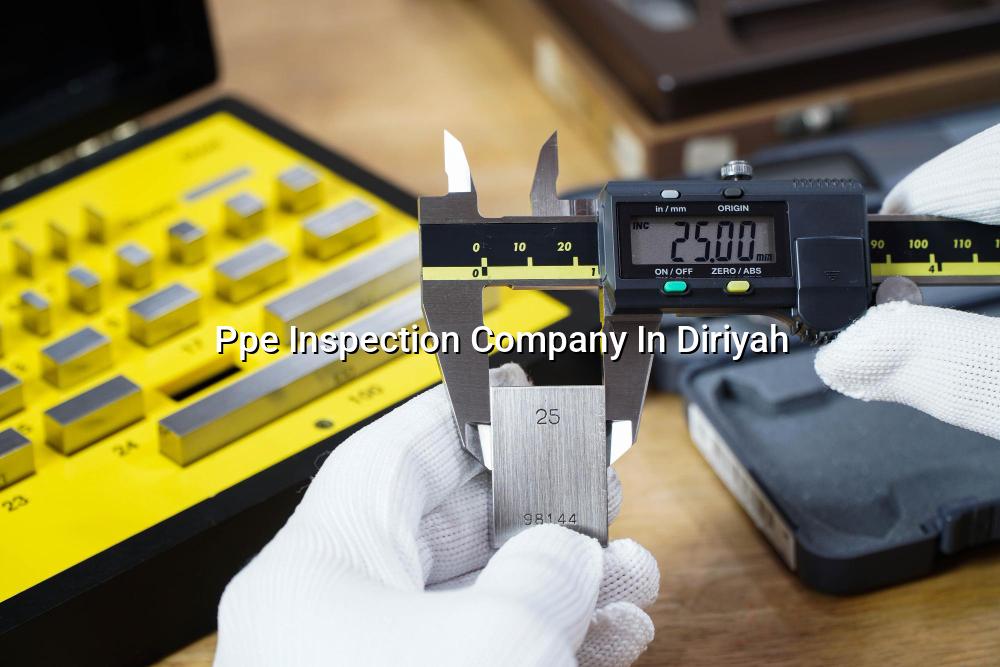
PPE inspection company in Diriyah support matters when your team needs hard evidence that helmets, gloves, eye protection, harnesses and other items are fit for work. We help you keep site safety checks traceable, practical and aligned with the kind of documentation supervisors expect during audits.
For contractors, maintenance teams and industrial suppliers working around Diriyah and the wider Riyadh area, the real issue is usually not the gear itself but proving it is being checked the right way. We work with teams that want clear pass/fail decisions, readable records and a process that suits live job sites, warehouse stores and mobile crews.
PPE inspection company in Diriyah for reliable site control
When people search for a PPE inspection company in Diriyah, they usually need a partner who can check equipment systematically, spot wear early and document the result in a way that stands up inside a safety file. That can cover daily-use items in construction, oil and gas support yards, warehouse operations, facilities teams and maintenance shutdowns across Saudi Arabia.
What we look at during inspection
Our inspection focus is practical. We review visible damage, fit, marking clarity, missing components, broken stitching, cracked shells, degraded straps, contamination and anything else that could affect safe use. For PPE inspection and related third-party checks, we keep the outcome simple: accept, reject or remove from service, with notes that your supervisors can act on straight away.
Why records matter in the field
In my experience, the equipment itself is only half the story. The other half is record control. Site managers in Riyadh, Dammam and the wider GCC often need a clean trail for inventory, issue dates, inspection status and replacement decisions. That is where a structured inspection process helps, especially when multiple subcontractors are using shared PPE across shifts.
- Identify the item — match the PPE to the user, department and asset record before any checks begin.
- Inspect the condition — look for damage, wear, contamination and missing parts that could reduce protection.
- Check the marking — confirm labels, sizes, issue references and any visible identification still read clearly.
- Decide the status — classify the item as suitable, restricted or rejected, then record the result.
- Use inspection logs that your HSE team can file without rewriting.
- Separate damaged PPE immediately so it does not get returned to storage by mistake.
- Keep inspection frequency tied to use, exposure and site risk, not guesswork.
- Support contractor control with the same process across one yard or multiple work fronts.
Typical inspection focus for industrial PPE
| PPE Item | What We Check | Typical Outcome |
|---|---|---|
| Helmet | Shell cracks, suspension condition, marking clarity and contamination | Fit for use, or reject if the shell or harness is compromised |
| Safety glasses / goggles | Lens scratches, frame damage, seal condition and visibility | Keep, replace or reject based on visibility and structural condition |
| Harness | Webbing wear, stitching, buckles, labels and attachment points | Approved only when the full load path is intact and readable |
| Gloves / hand protection | Tears, thinning, chemical damage, grip loss and contamination | Use or reject depending on integrity and the job hazard |
How inspections support compliance and site discipline
PPE checks are not only about the item in your hand. They support toolbox talks, contractor onboarding, audit preparation and daily supervision. When the inspection notes are clear, your safety officer spends less time chasing missing information and more time fixing the real problem — worn or unsuitable protection in active use.
Where Diriyah teams usually need help
We often see mixed fleets of PPE across maintenance jobs, temporary labour teams and subcontractor stores. That creates uneven control. A structured inspection routine makes it easier to manage issue, return and replacement decisions, especially on projects where people move between zones and supervisors change from one shift to the next.
Field-ready inspection support
We focus on the items that affect real work: helmets, harnesses, eye protection, gloves and other protective gear used in construction, maintenance, utilities and industrial service jobs. That keeps the process grounded in daily operations, not paperwork for its own sake.
What to include in a PPE inspection routine
A good inspection routine should be easy enough for supervisors to follow and strict enough to catch the things workers miss. We normally recommend a simple sequence: identify the item, inspect the physical condition, confirm the identification marks, record the outcome and quarantine anything doubtful. That approach keeps your stock room and worksite from mixing approved PPE with rejected gear.
For industrial teams in Diriyah, the best routines are the ones people actually use. If a process is buried in a folder, it fails. If it can be completed on site with clear status decisions, it sticks. That is why mobile inspection support works well for yards, project sites and service contractors who do not want long stoppages just to verify protective equipment.
- Confirm item identification before inspection starts.
- Reject any PPE with cracks, tears, failed stitching or broken retention parts.
- Record the inspection result in a format the site can keep and retrieve.
- Remove contaminated or unsafe items from circulation immediately.
How Mayon Industrial Services Can Help
We support PPE inspection alongside lifting-equipment inspection, NDT, calibration, mechanical services and industrial site work, so you can keep one technical team in view instead of juggling different vendors. If your operation in Diriyah, Riyadh or anywhere else in Saudi Arabia needs organised inspection records and a sensible process, we can help you set it up and keep it moving.
Call +91 99447 80844 (India) or +966 59 633 8012 (Saudi Arabia), email services@mayonservices.com, or message us on WhatsApp.
Frequently Asked Questions
We check the visible condition of the PPE, its markings, parts, fit-related damage and anything that could reduce protection. For most sites that means helmets, eye protection, gloves and fall-protection items. The goal is to keep unusable gear out of service and leave you with a clear record.
Yes, onsite inspection works well for stores, project yards and active maintenance locations. It saves time because the team does not need to move all items offsite just to confirm condition and status. That also helps when you need to separate approved items from rejected ones on the same day.
The inspection frequency depends on use, exposure and site risk. Gear used daily in construction or maintenance usually needs tighter control than items kept in reserve. We normally advise teams to align checks with issue, return and any event that could damage the PPE.
Yes, we issue a clear pass/fail style outcome so your team knows which items can stay in service and which ones need removal or replacement. The format is kept practical for site records and supervisor review. If you need the results tied to an internal inventory system, we can work with that flow too.
We usually see the strongest demand from construction, oil and gas, petrochemical, power, manufacturing, logistics and maintenance contractors. These sectors use protective equipment heavily, often under heat, dust, chemicals and repetitive handling. That makes routine inspection and removal of damaged items a normal part of good control.
Ready to put better PPE control in place?
If your Diriyah site needs cleaner records, sharper inspections and a partner who understands industrial work, we’re ready to help.
Contact Mayon