
PPE Inspection Company in Khurais
Practical PPE inspection support for Khurais operations, with records that fit site controls and safety expectations.
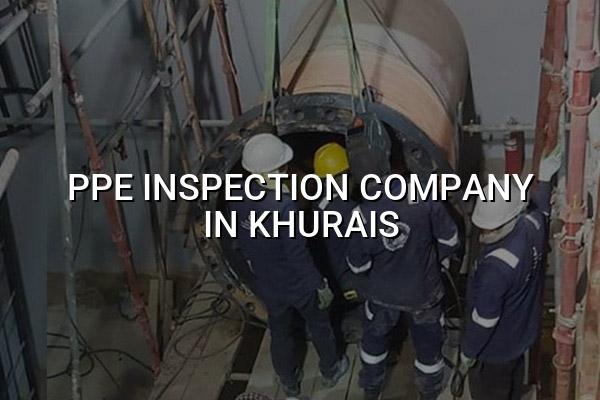
PPE inspection company in Khurais support starts with one simple goal: make sure the gear people trust every shift is still fit for use. If you manage a maintenance crew, contractor team, or HSE program around the Khurais oil and gas corridor, this page shows how we check PPE properly and keep the paperwork clean.
We work around real industrial conditions, not classroom examples. That means inspection routines that fit Saudi site controls, BS EN expectations for relevant PPE items, and the day-to-day pressure of shutdowns, civil work, lifting activities, and plant maintenance across Saudi Arabia and the wider Middle East.
PPE Inspection Company in Khurais for Active Industrial Sites
In Khurais, PPE usually gets judged by use, not by how new it looks. Helmets get dropped in vehicles, gloves pick up cuts and oil, eye protection gets scratched, and fall-arrest gear can sit in heat for long periods. A proper inspection routine checks each item against condition, traceability, and the site rulebook before it goes back into service.
What we check during a PPE inspection
Our team reviews visual condition first, then checks the parts people often miss: stitching, labels, buckles, webbing, lenses, seals, soles, and expiry or service markings where they apply. We also separate equipment by status so pass, hold, and reject decisions are clear for supervisors and stores teams.
Why Khurais sites ask for structured records
Large work fronts in oil and gas and petrochemical environments need more than a quick glance. When contractors, maintenance teams, and plant operators share the same work area, inspection records help reduce arguments about who cleared what and when. That matters during audits, toolbox talks, and site entry control.
- Receive and tag the items — we log the PPE type, condition, and owner or department so nothing disappears in the store room.
- Inspect each item visually and physically — we look for damage, wear, contamination, missing parts, and signs of improper storage.
- Compare against acceptance criteria — items are marked pass, hold, or reject based on condition and the applicable site rule.
- Record the findings — we keep inspection notes that supervisors can use for traceability, replacement planning, and audit support.
- Separate unsafe items immediately — rejected PPE is taken out of circulation so it cannot drift back into the field by mistake.
- Helps HSE teams control issued and returned PPE across shifts
- Supports inspection cycles for contractors working in Khurais and nearby Saudi sites
- Flags worn harnesses, cracked helmets, damaged gloves, and scratched eye protection early
- Gives procurement and stores teams a clearer replacement trail
- Fits audit-ready documentation for industrial safety programs
Common PPE Items and What We Look For
| PPE Item | Typical Inspection Focus | What a Failed Check Looks Like |
|---|---|---|
| Safety helmet | Shell cracks, strap condition, suspension fit, label visibility | Impact damage, distorted shell, loose or broken suspension |
| Gloves | Cut marks, burn damage, oil contamination, stitching condition | Holes, torn seams, stiff or contaminated material |
| Safety glasses | Lens clarity, frame condition, side shield fit, scratches | Deep scratches, loose frame, poor face coverage |
| Harness and lanyard | Webbing wear, stitching, buckles, hooks, identification tags | Fraying, missing labels, deformed hardware, contamination |
How Inspection Helps Safety Teams Stay Ahead of Problems
Most PPE failures don’t start with a dramatic incident. They start with small wear that nobody has time to notice, then get carried into a busy shift. Regular inspection keeps the bad items out of circulation and makes replacement decisions easier for supervisors who already have enough to manage.
Where this matters most
We see strong demand from oil and gas maintenance, construction packages, shutdown teams, warehousing, and industrial support work. In those settings, PPE is used hard, shared across crews, and exposed to heat, dust, chemical residue, and constant movement between vehicles, stores, and work fronts.
Onsite clarity for supervisors
A good inspection report tells the story quickly. What passed, what failed, and what should be removed from use. That’s the level of clarity site teams need when they’re issuing equipment before a long shift or checking returned items after work is done.
What a Site Manager Should Expect from a PPE Inspection Partner
You should expect straightforward communication, no guessing, and no vague “looks okay” remarks. For industrial PPE, the value is in the details: item identification, condition notes, rejection reasons, and clear handling of anything that cannot go back into service.
We also keep the work practical for plant environments. If a batch of helmets, gloves, or eye protection is due for review before a shutdown or contractor mobilization, the inspection process needs to fit around store access, site entry, and real production schedules. That is how our team approaches it.
Common reasons PPE gets rejected
We often find cracked shells, degraded elastic, damaged straps, missing labels, poor lens visibility, and contamination that won’t clean off properly. Sometimes the issue is less obvious, like heat damage that changed the material or wear around a buckle that won’t hold under load.
- Clear pass/fail decisions for each item
- Records that help during HSE checks and internal audits
- Support for contractor PPE control during mobilization
- Practical advice on storage, segregation, and replacement planning
How Mayon Industrial Services Can Help
We support industrial teams with PPE inspection, inspection documentation, and related safety work that sits alongside our calibration, mechanical services, NDT support, and site engineering services. If your operation in Khurais needs PPE checked before issue or return, we can help keep the process orderly and traceable.
Call +91 99447 80844 (India) or +966 59 633 8012 (Saudi Arabia), email services@mayonservices.com, or message us on WhatsApp.
Frequently Asked Questions
We check the condition and usability of the PPE itself. That includes visible damage, missing parts, contamination, wear, fit issues, and anything that makes the item unsafe to keep in service. The exact check depends on the item, but the goal is always the same: keep unsafe PPE out of the field.
Yes. Contractor teams are often where PPE control gets messy, especially during mobilization and shutdown work. We can help with item checks, segregation of failed equipment, and records that make it easier for the site team to track what was accepted and what was rejected.
We provide inspection records that clearly show the result for each item. If a piece of PPE fails, it should be removed from use and segregated. The practical value is in having clear documentation that your HSE and stores teams can act on without confusion.
Safety helmets, gloves, eye protection, hearing protection, fall-arrest harnesses, lanyards, and safety footwear are the usual ones. Some sites also include chemical PPE, face shields, and specialist gear used by maintenance or inspection crews. If the item protects a person, it should be checked before use and after exposure to abuse or contamination.
Most sites inspect PPE before issue and again when it comes back from use, with a more formal review set by the site’s HSE procedure. Items used in harsh conditions may need closer checks. The right interval depends on risk, exposure, and how often the equipment changes hands.
Need PPE inspection support for Khurais?
Send us the site details, item list, and your inspection requirement, and we’ll help you plan the next step.
Contact Mayon