
Pressure Calibration Company in Turaif
Need traceable pressure calibration in Turaif for gauges, transmitters, and test rigs? We support industrial teams with onsite and lab-based work.
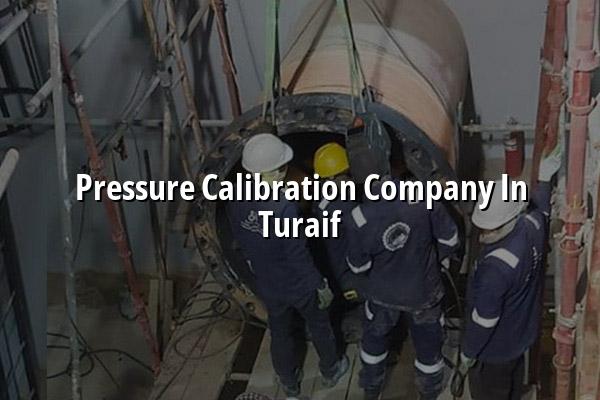
Pressure calibration company in Turaif searches usually come from teams that need a quick, traceable answer for gauges, transmitters, switches, or test benches. That’s exactly what we help with: pressure calibration work that supports day-to-day plant reliability, QA records, and maintenance decisions without guesswork.
We work with industrial clients across Saudi Arabia, the Middle East, and India, and we understand what local maintenance teams need when a pressure instrument starts drifting. Some jobs stay inside our controlled laboratory, while others need mobile-lab support onsite, especially where downtime is costly or equipment can’t be removed easily.
What a Pressure Calibration Company in Turaif Should Cover
When you’re checking pressure instruments in Turaif, the real question is not just whether a gauge reads something close. You need traceability, repeatability, and a clear result that your maintenance or quality file can stand behind. In practical terms, that means calibrating against suitable reference standards, recording as-found and as-left results, and keeping the instrument range tied to the job it actually serves. We see this often in oil and gas support work, compressor rooms, hydraulic systems, water lines, and process skids where a few psi off can change how a system behaves.
Pressure instruments we handle most often
Our pressure calibration work covers common industrial instruments such as pressure gauges, digital pressure indicators, pressure transmitters, switches, and related test equipment. For many plants, the issue starts with routine checks that show drift after vibration, heat, overpressure, or poor handling. That’s normal. The important part is getting the instrument back into a documented calibration cycle before the error spreads into production or maintenance decisions.
Why onsite work matters in Northern Saudi operations
In Turaif and nearby industrial sites, some instruments are mounted in places where removal is awkward or unsafe. Onsite pressure calibration saves time in those cases because we can work around operating constraints, verify the installation, and reduce the chance of damage during transport. When a device needs tighter environmental control, we bring it into our in-house lab and keep the work under stable conditions. That mix gives teams a practical option instead of a one-size-fits-all answer.
- Review the instrument and range — we confirm the device type, expected operating span, and the process it supports so the calibration plan fits the actual use.
- Check the condition as received — as-found readings help show whether drift happened in service, during storage, or after a mechanical issue.
- Compare against suitable references — we use pressure standards matched to the job, which matters for low-range, medium-range, and higher-pressure systems.
- Record and label the result — the final outcome is documented so your team knows what passed, what needed adjustment, and what should be watched more closely next cycle.
- Ask for traceable calibration records, not just a passing sticker.
- Match the calibration range to the process range you actually use.
- Separate critical safety devices from routine monitoring gauges.
- Use onsite service when removal risks shutdown delays or handling damage.
- Keep a clear asset list so repeat calibrations stay consistent year to year.
Choosing the Right Pressure Calibration Approach
| Instrument type | Typical site use | Best calibration approach |
|---|---|---|
| Analog pressure gauge | Panels, pumps, compressors, utilities | Onsite check for installed units or lab calibration for tighter control |
| Pressure transmitter | Process control, automation, monitoring loops | Lab or mobile-lab verification with recorded output points |
| Pressure switch | Safety interlocks and start-stop control | Functional test plus set-point verification |
| Hydraulic test equipment | Maintenance, overhaul, proof testing | Calibration against reference standards before and after service use |
What Buyers in Turaif Usually Need From Calibration Records
Most engineering and procurement teams want three things from pressure calibration: traceability, readable records, and a result that matches the equipment tag. ISO/IEC 17025:2017 is the benchmark many plants expect for calibration competence, while ISO 9001:2015 helps quality systems keep the paperwork organized. In our experience, that matters most during audits, vendor reviews, and internal maintenance sign-off, because the file needs to make sense months later, not just on the day it was issued.
Where pressure calibration gets tied to safety
Pressure instruments often sit inside systems where failure can affect production, equipment life, or personnel safety. A switch that trips too late, a gauge that reads low, or a transmitter that drifts can all send the wrong message to operators. For that reason, we separate routine observation from actual calibration work. That distinction helps teams decide when a device can stay in service and when it needs adjustment, replacement, or closer monitoring.
Practical support for plant teams
We often help maintenance supervisors who need a clear result for a small batch of instruments before a shutdown ends. The goal is simple: return reliable pressure readings to service and leave the site with records that are easy to file, review, and repeat next cycle. That approach works well for refineries, fabrication yards, utilities, and cold-chain facilities across Saudi Arabia and the wider GCC.
Where Pressure Calibration Fits Into a Larger Maintenance Plan
Process plants
Pressure calibration helps keep pumps, separators, filters, and control loops aligned with real operating conditions. That’s common in oil and gas, petrochemical, and manufacturing sites where a single inaccurate instrument can distort a whole trend sheet.
Utilities and support systems
Compressed air lines, hydraulic circuits, and water systems all depend on dependable pressure readings. We see plenty of cases where the instrument is fine, but the installation point or process vibration makes a scheduled check a smart move.
Shutdown and turnaround work
When a site is already under maintenance pressure, teams need work that fits the plan. Pressure calibration slots neatly beside testing, commissioning, and repair work because it gives a clear pass/fail result before equipment returns to operation.
How Mayon Industrial Services Can Help
Mayon Industrial Services supports pressure calibration through our ISO/IEC 17025:2017 compliant laboratory, mobile calibration capability, and practical field experience with industrial instruments. If your team in Turaif needs onsite checks, lab-based verification, or support for a wider maintenance package, we can help you plan the work around your schedule. We also support related needs like mechanical services, inspection, testing, and commissioning, so you don’t have to coordinate every task with a different vendor.
Call +91 99447 80844 (India) or +966 59 633 8012 (Saudi Arabia), email services@mayonservices.com, or message us on WhatsApp.
Frequently Asked Questions
Yes — if your instruments are already installed, onsite calibration is often the cleaner option. It avoids removal damage, saves handling time, and lets the technician see the instrument in its real operating environment. For pressure transmitters and switches, that context can matter a lot.
We usually see gauges, transmitters, switches, and related test equipment on site. Some devices are better handled in the lab if they need tighter environmental control or a more controlled setup. The right choice depends on the instrument range, access, and how critical the reading is to the process.
For many industrial buyers, yes, traceability is a must. It helps QA and maintenance teams show that the calibration was tied to recognized reference standards and not just checked informally. That matters during audits, vendor reviews, and internal sign-off.
If the gauge is damaged, unstable, or drifting far outside the expected range, replacement can make more sense than repeated adjustment. We usually look at the physical condition, the as-found error, and how important the gauge is to the process before suggesting the next step. Sometimes the answer is simple; sometimes it isn’t.
Yes — we support clients in Saudi Arabia from Dammam Industrial City 2 and work with industrial teams across the wider Middle East. Our setup is useful for companies that need a dependable calibration partner for recurring maintenance and shutdown work. We also support Indian clients from our Chennai head office.
Need pressure readings you can trust?
If your Turaif site needs pressure calibration, we’re ready to help with practical onsite or lab-based service and clear records for your team.
Contact Mayon