
Pressure Calibration Company in Uqair
Traceable pressure calibration for plants, workshops and utilities in Uqair, with onsite support from our Saudi team.
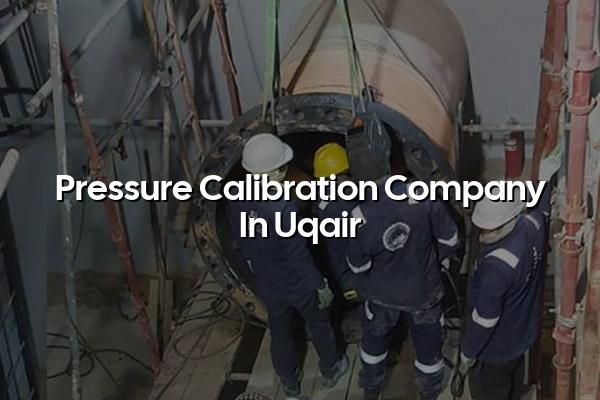
Pressure calibration company in Uqair is exactly what you need when gauges, transmitters, switches or test rigs start drifting and the maintenance team wants clean, traceable numbers back on the job. We help you keep pressure instruments within control so your plant records, safety checks and production work stay dependable.
Our Saudi team supports industrial clients in Dammam and the wider Eastern Province, including facilities tied to oil & gas, petrochemical, power and manufacturing work. We handle onsite and in-lab pressure calibration with ISO/IEC 17025:2017 traceability, and we can arrange pickup and delivery for instruments that need special handling or controlled conditions.
What a Pressure Calibration Company in Uqair Should Actually Deliver
A proper pressure calibration job is not just about putting a gauge on a bench and printing a sheet. It starts with checking the instrument type, pressure range, connection size, process media exposure and the tolerance you really need for the task. In our work, that usually means comparing the device against certified standards, recording as-found results, adjusting if needed and then confirming the as-left condition before the instrument goes back to service.
Where pressure calibration matters most
We see the strongest need on process lines, utility systems, compressor rooms, hydraulic equipment, fire systems and test benches. In Saudi facilities, especially around the Eastern Province, teams often need proof that pressure instruments are stable before shutdown work, commissioning or routine audits. A small drift can affect pump protection, vessel monitoring or test results far more than people expect.
How we handle the work
For portable gauges and transmitters, our technicians can attend onsite with a mobile calibration lab. For sensitive items, we bring them back to our controlled facility and return them once the work is complete. That mix helps when you have a packed maintenance schedule, but still need calibration records that stand up to ISO/IEC 17025:2017 expectations.
- Identify the instrument — confirm range, connection, tag number, service history and the pressure medium it has seen.
- Check the condition first — look for damaged ports, leaks, zero shift, mechanical wear or contamination before any test starts.
- Compare against reference standards — use traceable pressure equipment suited to the range and test points required.
- Record as-found and as-left data — this gives you a clear picture of drift, adjustment need and post-service performance.
- Return with usable paperwork — so your QA, maintenance or shutdown team can file the result without chasing missing details.
- Use onsite calibration when removing the instrument would slow down operations.
- Send lab-sensitive devices for controlled calibration when temperature or cleanliness matters.
- Ask for as-found data if you need to see how far the instrument had drifted.
- Match the test range to the real working range, not just the nameplate range.
- Keep calibration records tied to the asset tag so audits are easier later.
Pressure Calibration Options for Common Industrial Instruments
| Instrument Type | Typical Use | Calibration Approach |
|---|---|---|
| Pressure gauge | Panel, line and equipment monitoring | Bench or onsite comparison across the working range |
| Pressure transmitter | Process control and automation loops | Input/output verification with traceable reference standards |
| Pressure switch | Protection and alarm functions | Set-point check, trip confirmation and reset verification |
| Hydraulic test gauge | Hydrotest and pressure testing work | Range-specific verification before and after use |
Why Traceability Matters for Uqair and Eastern Province Sites
Most plant managers around Saudi industrial corridors care about one thing: can the reading be trusted when the job gets serious? That is where traceability makes the difference. ISO/IEC 17025:2017 gives you a calibration chain that supports internal audits, vendor checks and customer requirements, while ISO 9001:2015 helps keep the overall quality process consistent.
What the paperwork should show
A useful certificate or report should tell you the asset identity, the test points used, the result at each point, the environmental conditions where relevant, and whether the item passed or needs adjustment. If the pressure instrument is tied to safety, process integrity or product quality, the report has to be clear enough for your supervisor and your auditor to read without a phone call back to us.
Built for real plant work
We support shutdown teams, maintenance planners and QA staff who need pressure calibration done without drama. That includes site attendance for production areas, workshop equipment and utility systems, plus lab work for instruments that need a controlled setting and careful handling.
When Onsite Calibration Makes More Sense Than Removing the Instrument
Onsite work is usually the better choice when the instrument is hard to isolate, the line is part of a continuous process or the shutdown window is short. We often see this with pressure transmitters on skids, gauges on compressors, and switches used in interlocks where the cost of taking the item out is bigger than the calibration itself. A mobile calibration lab helps you keep the work moving while still keeping the test controlled.
Lab work still has its place
Some instruments are better sent to the lab. That is common when the device is delicate, contaminated, or needs a special condition before calibration. In those cases, pickup and delivery save your team time and reduce the chance of damage during transport. It also makes sense when you want a cleaner setup for items that are part of a larger quality or maintenance program.
Industries we keep seeing
Pressure calibration comes up again and again in oil and gas, petrochemical plants, power stations, construction equipment yards, manufacturing sites, cold-chain facilities and healthcare support systems. The equipment changes, but the expectation is the same: accurate readings, clear records and a team that can turn up where the job is happening.
- Better control when shutdown time is tight.
- Less handling risk for sensitive instruments.
- Easier support for multi-site maintenance programs.
- Practical for skids, compressors and field-installed devices.
How Mayon Industrial Services Can Help
If you need a pressure calibration company in Uqair, we can support you with onsite calibration, controlled in-lab work, pickup and delivery, and the kind of records your QA team actually wants to file. We also support related needs like condition monitoring, mechanical services, electrical testing and commissioning, and lab setup when your work goes beyond a single instrument. If you want to keep pressure instruments accurate without slowing the job down, speak with us and we’ll map the right approach.
Call +91 99447 80844 (India) or +966 59 633 8012 (Saudi Arabia), email services@mayonservices.com, or message us on WhatsApp.
Frequently Asked Questions
We typically handle pressure gauges, transmitters, switches and related test instruments onsite when the setup allows safe access and stable test conditions. If the item is part of a live process, we’ll check the isolation need first so the work doesn’t interrupt operations more than necessary. For sensitive or contaminated instruments, we may suggest in-lab calibration instead.
Yes, we support pressure calibration work with ISO/IEC 17025:2017 traceability, which is what many Saudi industrial clients expect for audit-ready records. That matters when you need calibration evidence for internal quality checks, vendor files or customer documentation. We keep the process practical for field and plant work, not just lab-only jobs.
Send it to the lab when the gauge is delicate, badly contaminated, hard to isolate or needs a more controlled environment than the site can give. We also recommend lab work when pickup and delivery reduce handling risk for the team. If you’re unsure, we can look at the instrument condition and decide with you.
Yes. We work with industrial clients across Saudi Arabia, including oil and gas and petrochemical sites that need practical onsite support. Our team can align the calibration plan with shutdown windows, field access rules and the reporting format your site uses.
Share the instrument type, pressure range, quantity, tag numbers, location and whether you want onsite or lab service. If there are any safety or process limits, tell us that too. With those basics, we can plan the right team and avoid back-and-forth later.
Ready to keep pressure readings under control?
Send us the instrument list and your site location, and we’ll help you choose the right calibration path for Uqair, Dammam and nearby industrial areas.
Contact Mayon