
Pressure Comparator Supplier in Khamis Mushait
Traceable pressure comparison support for calibration labs, maintenance teams, and field work across Saudi Arabia and the Middle East.
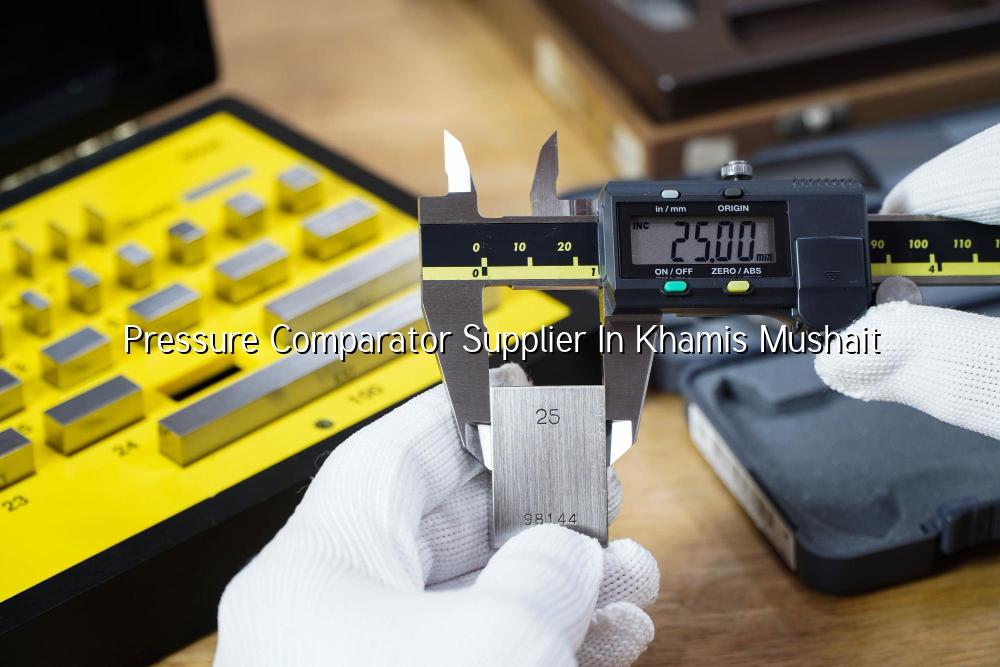
Pressure comparator supplier in Khamis Mushait searches usually come from teams who need a dependable standard for gauge checks, transmitter verification, and workshop calibration work. We help you choose the right comparator setup so your pressure measurements stay traceable and repeatable, not guesswork.
In our work with calibration labs and maintenance crews across Saudi Arabia, the pressure comparator often sits at the centre of daily checking. It has to match the instrument range, the medium you use, and the site conditions you face in places like Khamis Mushait, Dammam, and other GCC industrial locations.
Pressure Comparator Supplier in Khamis Mushait for Real Calibration Work
If you're sourcing a pressure comparator in Khamis Mushait, the first question isn't brand. It's fit for purpose. A good setup should match the range you're testing, the fluid or gas medium, the resolution you need, and the stability expected in ISO/IEC 17025:2017 calibration routines. That matters for oil and gas skids, plant maintenance rooms, field service vehicles, and lab benches where one bad reading can throw off an entire job.
What buyers usually check first
Most requests we see start with one of three needs: a hydraulic comparator for workshop use, a pneumatic setup for lower-pressure checks, or a deadweight-style standard where higher confidence is needed. If your team is handling transmitters, gauges, relief devices, or test rigs, the comparator has to sit comfortably within the workload, not just look good on a catalogue page.
Why local buyers ask for supply and support together
In Saudi industrial zones, procurement teams often want the equipment, the training, and the calibration plan in one conversation. That makes sense. A comparator supplier should be able to explain maintenance, sealing, cleanliness, and how the unit will be used after delivery. If the same team can also support traceable calibration and servicing, you spend less time juggling vendors.
- Define the pressure range — list the minimum and maximum points you actually test, not just the instrument nameplate.
- Choose the medium — decide whether hydraulic oil, water, or air fits the site and the test object.
- Check the fittings — make sure adapters, hoses, and connectors suit your gauges, transmitters, and test ports.
- Plan calibration support — confirm who will verify the comparator and how the records will be kept for audit work.
- Ask for traceability to ISO/IEC 17025:2017 records where the application needs it.
- Match the comparator type to the instrument class, not to the cheapest quote.
- Check whether you need workshop use, onsite use, or both.
- Keep spare seals and fittings on hand for busy maintenance periods.
Common Pressure Comparator Setups and Where They Fit
| Comparator Type | Typical Use | Best Fit For |
|---|---|---|
| Hydraulic pressure comparator | Stable high-pressure checking in a controlled workshop | Gauges, transmitters, and maintenance benches |
| Pneumatic pressure comparator | Low-pressure verification with clean, dry gas | Instrument rooms and lighter field checks |
| Deadweight-style standard | Reference work where repeatability matters most | Calibration labs and quality systems |
| Portable comparator kit | Onsite testing and service calls | Mobile maintenance teams and shutdown work |
How a Comparator Helps Your QA and Maintenance Team
A pressure comparator is not just a piece of test gear. It helps your team spot drift, confirm performance after repair, and keep pressure instruments aligned with the readings your plant depends on. In petrochemical and power sites, that can affect safety checks, routine maintenance, and sign-off before equipment returns to service.
Where errors usually creep in
We often see the same problems: wrong adapter selection, air left in a hydraulic line, worn seals, or a comparator used outside its practical range. None of that looks serious at first. Then the readings start moving around, and the technician ends up repeating work that should have been done once.
Built for workshop and onsite use
A comparator that travels well can save a maintenance team a lot of trouble. Our customers in Saudi Arabia often want a unit that works cleanly in the lab but still handles field calls, especially where pumps, vessels, and pressure lines need verification during shutdown periods.
What to Check Before You Order
For a pressure comparator supplier in Khamis Mushait, the details matter more than the sales pitch. You want the pressure range, connection style, medium compatibility, and service approach to be clear before purchase. If the unit will support ISO 9001:2015 quality records, internal audits, or contractor handover documents, the paperwork has to be tidy too.
We also recommend thinking about where the comparator will live. A temperature-controlled lab can handle a different setup from a mobile service truck. If your team needs onsite work across Saudi Arabia or the wider Middle East, portability, protection, and ease of setup become very real buying points.
- Confirm the working range covers day-to-day jobs, not rare edge cases.
- Ask about fittings and compatibility with your current instrument stock.
- Check whether the comparator is easier to service with local support.
- Keep the calibration record format aligned with your own QA system.
How Mayon Industrial Services Can Help
We support pressure comparator supply, calibration-related advice, and onsite service for teams that need dependable pressure work in Saudi Arabia. If your need sits around calibration, mechanical support, inspection, or lab setup, we can help you sort the right equipment and the right service path without wasting time.
Our team works with calibration labs, maintenance groups, and industrial contractors across India, Saudi Arabia and the Middle East. Call +91 99447 80844 (India) or +966 59 633 8012 (Saudi Arabia), email services@mayonservices.com, or message us on WhatsApp.
Frequently Asked Questions
You can source it through a supplier that understands calibration use, not just general industrial stock. We help customers in Saudi Arabia choose the comparator type, fittings, and support model that fit the job, especially when the unit has to work in a QA-controlled environment.
That depends on the pressure range, medium, and the level of repeatability you need. For workshop gauge work, hydraulic units are common, while pneumatic comparators suit cleaner low-pressure testing. If you're unsure, we usually start by looking at the exact instruments on your bench.
Yes. We support calibration work under ISO/IEC 17025:2017 practices and can guide you on keeping the comparator tied to your quality records. That helps when the equipment is used for internal audits, shutdown work, or third-party verification tasks.
Yes, if the unit is built and configured for portable use. Many sites in oil and gas, construction, and maintenance need field checks during shutdowns or commissioning work, so portability and clear setup steps matter a lot.
Send the pressure range, the medium you want to use, the instrument types you test, and whether the work is onsite or in-lab. If you already have fitting requirements or QA document needs, add those too. That lets us respond with something practical instead of a generic catalogue answer.
Ready to source the right comparator?
If you need a pressure comparator supplier in Khamis Mushait, we can help you match the equipment to your actual pressure testing work and keep the support side straightforward.
Contact Mayon