
Pressure Comparator Supplier in Neom
Source calibrated pressure comparators for Neom projects, with support for field use, lab traceability and industrial commissioning work.
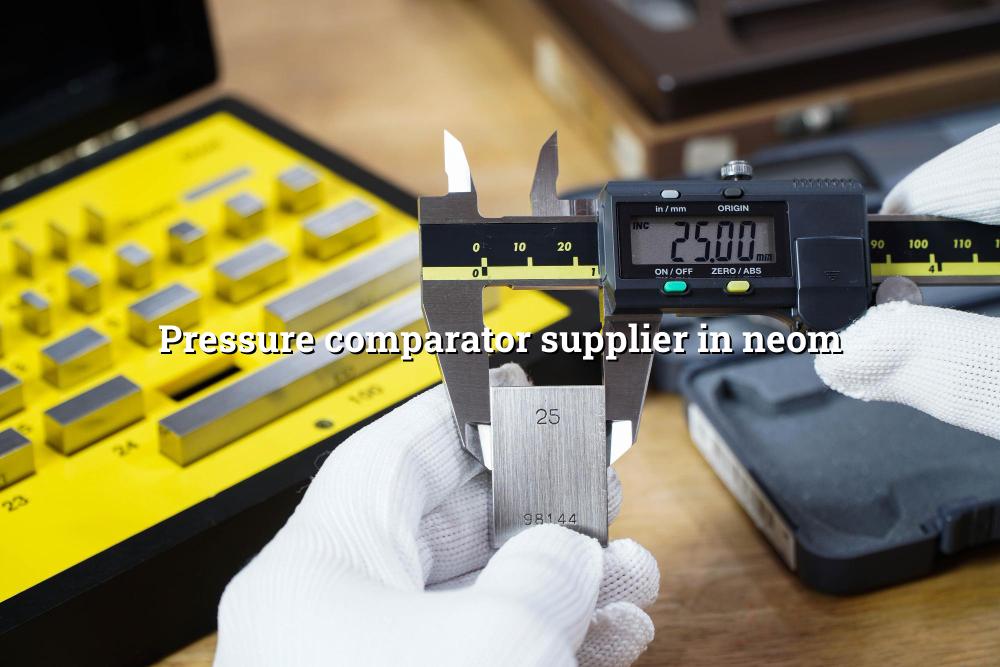
Pressure comparator supplier in Neom searches usually come from teams who need a comparator that can be trusted on day one. We help you choose the right hydraulic or pneumatic model, with the calibration trail needed for field work, commissioning checks and instrument verification.
Our work sits inside real industrial settings, not showroom talk. In Saudi Arabia and across the Middle East, that means Neom contractors, QA teams, shutdown crews and maintenance engineers who need traceable pressure tools that hold up in labs, workshops and on-site tasks.
Pressure Comparator Supplier in Neom for Industrial Teams
When you’re buying a pressure comparator for Neom work, the real question isn’t just the model. You need to know how it will be used, which pressure ranges matter, whether you need hydraulic or pneumatic operation, and how you’ll keep the instrument traceable under ISO/IEC 17025:2017 expectations. That’s why procurement teams often ask us for both the product and the support around it.
Hydraulic or pneumatic?
Hydraulic comparators suit higher pressure applications and are common in oil & gas, power and mechanical maintenance. Pneumatic comparators are often preferred for lower ranges, cleaner test rooms, and places where quick pressure generation without oil contamination matters. In practice, we match the instrument to the job, not the other way around.
What buyers in Neom usually ask for
Most requests start with a test range, the media to be used, and the devices being compared. That may be pressure gauges, transmitters, switches, relief devices or portable test sets. If the comparator will move between a site office, workshop and field cabin, portability and case protection matter too.
- Define the pressure range — map the lowest and highest values your team actually tests.
- Choose the pressure medium — decide if the job needs hydraulic fluid or clean pneumatic air.
- Check connector needs — confirm thread types, adaptors and gauge interfaces before purchase.
- Plan calibration support — arrange traceable calibration, routine checks and any pick-up or delivery needs.
- Choose a comparator with a range that sits comfortably above your working pressure.
- Ask for calibration traceability tied to ISO/IEC 17025:2017.
- Confirm whether your team needs portable field use or bench-based operation.
- Keep spare seals, adaptors and fittings in the same kit.
- Make sure the unit fits your site’s safety and cleanliness rules.
Comparator Options and Typical Use Cases
| Comparator Type | Best Fit | Typical Neom Use |
|---|---|---|
| Hydraulic pressure comparator | Medium to high pressure work | Gauge checks in maintenance bays, pump skids and test benches |
| Pneumatic pressure comparator | Low pressure and clean applications | Transmitter checks, control room work and clean instrument areas |
| Portable field comparator | Mobile verification tasks | Onsite work for contractors, shutdown teams and commissioning crews |
| Bench comparator setup | Controlled workshop use | Routine calibration, QA inspection and controlled verification tasks |
Why traceability matters for Neom projects
Neom projects often sit inside larger Saudi industrial packages, so pressure instruments can’t be treated as loose accessories. Buyers want records, identification, calibration status and a clear service path. That is where a properly documented comparator helps, especially when your QA team is reviewing instruments for handover, shutdown work or commissioning.
Where the practical risks show up
A comparator that leaks, drifts or comes with the wrong adaptors slows the whole job. We’ve seen teams lose time because the instrument was bought for a catalog description, not for the actual fitting size or pressure pattern on site. A short review before purchase saves a lot of frustration later.
Built for real industrial use
Our customers in oil & gas, petrochemical, power, construction and manufacturing often need pressure comparators that can handle workshop work, field checks and calibration control without changing the workflow every time.
What to Check Before You Place the Order
For Neom sites, the safest purchase is the one that fits your test range, your fittings and your record-keeping. If your team uses gauges from different vendors, check the connector threads early. If the comparator will travel between jobs, ask for a transport case and make sure the control valves are easy to operate with gloves on.
We also suggest checking whether you need a hydraulic pressure comparator supplier in Neom relationship or a longer-term calibration partner. Many teams want both. They want a unit supplied correctly, then a route for calibration, maintenance and instrument verification over the life of the asset.
- Match the range to the gauge or transmitter family you actually use.
- Confirm the pressure medium and contamination control requirements.
- Verify adaptor availability for common site connections.
- Ask how the unit will be calibrated and documented.
- Decide if onsite support, collection or delivery will be needed.
How Mayon Industrial Services Can Help
We support pressure comparator needs through calibration services, mechanical services, inspection work and lab support, so you’re not left guessing about traceability or fit. If your Neom project needs a comparator for onsite verification, workshop use or controlled lab work, we can help you choose the right setup and keep it serviceable. Our team works across Saudi Arabia, India and the wider Middle East, and we’re used to dealing with real project deadlines, not vague promises.
Call +91 99447 80844 (India) or +966 59 633 8012 (Saudi Arabia), email services@mayonservices.com, or message us on WhatsApp.
Frequently Asked Questions
You can source through a specialist calibration and engineering partner that knows pressure test equipment, not just general tools. For Neom work, that matters because the comparator should match the pressure range, the fittings and the traceability record your QA team expects.
Hydraulic comparators use fluid and are better suited to higher pressure work. Pneumatic comparators use air and are often preferred for lower pressure, cleaner applications and instrumentation tasks where oil contamination is not wanted.
Yes. We support projects in Saudi Arabia from our Dammam Industrial City 2 operation with calibration and engineering services. That helps teams who need supply support, traceable calibration and practical field guidance in one place.
For industrial calibration work, yes, traceability is usually expected. It gives your team a defensible record for audits, handovers and maintenance files, especially when the comparator is used on gauges or transmitters that feed critical systems.
Yes, and that’s often where the real time is saved. If you tell us the gauge thread, the instruments being tested and the pressure range, we can help you narrow down the adaptor set before the comparator reaches site.
Ready to specify the right pressure comparator?
Send us the pressure range, fitting details and site location, and we’ll help you choose a comparator that suits your Neom work.
Contact Mayon