
Pressure Gauge Calibration Company in Jeddah
Traceable pressure gauge calibration for plants, workshops, and shutdown teams working in Jeddah and across Saudi Arabia.
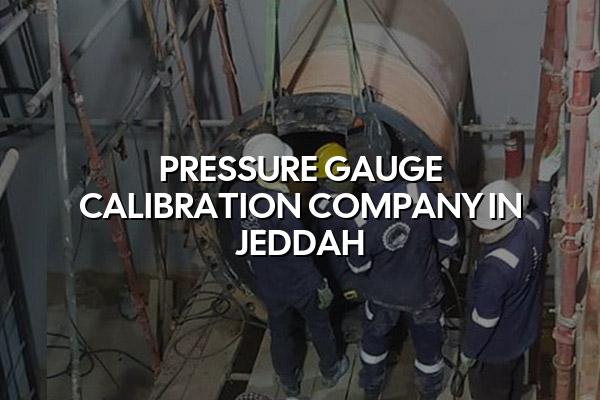
Pressure gauge calibration company in Jeddah searches usually come from a real plant problem: a pointer that looks fine, but the line pressure keeps disagreeing with the gauge. We help you put that doubt to bed with traceable calibration that gives maintenance teams, QA managers, and procurement teams numbers they can trust.
In Jeddah, that matters across food, cold chain, water, manufacturing, and service plants where a small error can throw off process control or make inspection paperwork harder than it should be. Our team supports Saudi sites from Dammam Industrial City 2 and works with onsite mobile calibration, so you can keep critical instruments in service without unnecessary movement.
What a pressure gauge calibration company in Jeddah should actually do
Good calibration is not just about placing a gauge on a tester and printing a label. You need the right reference standard, a clean comparison method, clear as-found and as-left results, and a process that matches the instrument range. For pressure systems in Saudi industry, that usually means verifying gauges used on compressors, pumps, hydrotest rigs, hydraulic systems, and process skids, with traceability aligned to ISO/IEC 17025:2017 expectations.
Where onsite work makes the most sense
Onsite calibration saves time when the instrument is large, already installed, or tied to a live system that should not be broken down just for a certificate. We see this often with plant utilities, workshops, and project sites in Jeddah where a mobile team can work around shutdown windows and keep the work area orderly. If the gauge needs special handling, our temperature-controlled in-house lab and pickup-and-delivery support are the better route.
What customers usually check before they book
Most teams want to know whether the gauge can be tested across its full range, whether the report will show adjustment status, and whether the service fits audit requirements. They also want practical answers: is the scale readable, is the fitting compatible, and does the instrument still suit its duty point after calibration? Those are the questions that help you avoid repeat failures and last-minute replacements.
- Check the instrument identity — record the model, range, serial number, and the location it came from.
- Inspect the condition — look for needle drift, broken glass, damaged threads, corrosion, or sticky movement.
- Compare against a reference standard — test at suitable points across the range and note any deviation.
- Report the result clearly — share as-found data, as-left data if adjustment is done, and the calibration status.
- Keep gauges out of service if the pointer does not return to zero cleanly.
- Ask for traceability that matches ISO/IEC 17025:2017, not just a basic test sheet.
- Separate gauges used for process control from gauges used only for rough indication.
- Use onsite calibration when dismantling the instrument would disrupt production.
- Send damaged, delicate, or special-condition instruments for lab handling instead.
Pressure gauge service options and when each one fits best
| Service option | Best for | Typical use case |
|---|---|---|
| Onsite pressure gauge calibration | Installed gauges and busy plant areas | Compressors, pumps, hydraulic lines, and process equipment in Jeddah |
| In-lab pressure gauge calibration | Sensitive or special-condition instruments | Gauges that need controlled handling and pickup-during-delivery support |
| As-found / as-left reporting | Audit-focused maintenance teams | Before-and-after records for quality files and internal checks |
| Gauge condition assessment | Older or heavily used instruments | Deciding whether the gauge should be kept in service, repaired, or replaced |
Why traceability matters in Saudi industrial work
Pressure gauges often sit at the edge of process safety, so the calibration record has to be more than a stamp. When a plant in Jeddah runs periodic checks, it needs a record that supports internal quality systems and gives engineers confidence during shutdown planning, commissioning, or routine maintenance. We work to ISO/IEC 17025:2017, and that traceability matters when your site needs clean evidence for customer audits or internal reviews.
For new builds and maintenance rounds
During commissioning, the gauge may be one of many instruments being verified on the same line. During maintenance, it may be a single unit that has drifted after vibration, overpressure, or rough handling. Either way, the result should tell you more than pass or fail. It should help you decide whether the instrument can stay in place, needs adjustment, or should be pulled from service.
Built for field realities
Jeddah sites often work around production, shipping, or utility schedules. Our mobile calibration lab is set up for that reality, while the in-house lab handles instruments that need tighter environmental control or careful pickup and delivery. It keeps the workflow practical for engineers who do not have time for guesswork.
How pressure gauge calibration fits into a plant maintenance plan
Teams that manage compressors, boilers, hydraulic equipment, and test rigs usually get the best results when calibration is planned with the maintenance calendar, not after a fault. That means grouping gauges by area, checking which ones are critical, and sending out any units with damage or uncertain condition early enough to avoid surprises. In our experience, gauges used in vibration-heavy areas tend to show issues sooner than the team expects.
Common pressure gauge problems we see
Needle drift is one. Broken lens covers are another. Then there are gauges with blocked ports, bent pointers, or internal wear that makes the reading settle too slowly. Sometimes the gauge still “works,” but not well enough for process control. That is the point where a proper calibration visit is better than trying to stretch the old instrument a little longer.
What a useful calibration report should show
A useful report gives the gauge identification, the test points used, the measured error, and the final status. If the instrument was adjusted, that should be shown plainly. If it was not adjustable, the report should still help you decide what happens next. Clear paperwork saves a lot of back-and-forth between maintenance, QA, and procurement.
- Group gauges by pressure range before sending them for service.
- Flag critical instruments used on safety-related or high-value systems first.
- Keep damaged gauges separate so they are not mixed back into active stock.
- Match calibration intervals to actual service conditions, not only calendar habit.
How Mayon Industrial Services Can Help
If you need a pressure gauge calibration company in Jeddah, we can support you with onsite calibration, controlled in-lab work, and clear reporting for maintenance and audit files. Our team also handles related pressure and mechanical work, so we can help when gauges sit inside a larger shutdown, commissioning, or repair scope. If your site has a mix of plant instruments, we can sort the service path that makes the least disruption.
Call +91 99447 80844 (India) or +966 59 633 8012 (Saudi Arabia), email services@mayonservices.com, or message us on WhatsApp.
Frequently Asked Questions
The best fit is usually a team that can calibrate onsite and also handle special instruments in a controlled lab. In Jeddah, that matters because plants do not want to stop production just to move a gauge. Look for traceability, clear reporting, and a team that understands industrial pressure systems, not just basic bench testing.
Yes. Onsite calibration is a strong option when the gauge is already installed, part of a larger system, or awkward to remove. Our mobile calibration lab is built for that kind of work, and it helps reduce disruption for maintenance teams in Saudi industrial sites.
A proper report should identify the gauge, list the test points, show the readings or error at each point, and state whether adjustment was done. If the gauge is not fit for service, the report should make that plain too. That kind of record is useful for QA files, internal maintenance history, and audit checks.
Yes, we can guide you on the safest route. If the gauge needs careful handling, pickup and delivery to the lab can be the better choice than onsite work. That helps when the instrument is delicate, contaminated, or tied to special process conditions.
We see strong demand from oil and gas, petrochemical, power, manufacturing, and cold-chain facilities. Pressure gauges show up on utilities, test rigs, pumps, compressors, and process equipment in all of those sectors. Jeddah sites often need a mix of field support and lab-level traceability.
The interval depends on how hard the gauge works, the environment, and how critical the reading is to your process. A gauge on a quiet workshop line may behave differently from one on a vibrating compressor skid. Most teams set the interval from risk and history, then review it when failures or drifts start to appear.
Need gauge readings you can stand behind?
If you want a practical pressure gauge calibration company in Jeddah, talk to a team that can handle the field work, the lab work, and the paperwork cleanly.
Contact MayonWhen the gauge matters, guesswork is expensive. We help you keep pressure instruments accurate, traceable, and ready for real plant use, and we do it in a way that suits how industrial teams actually work in Jeddah and across Saudi Arabia.