
Temperature Bath Supplier in Duba
Source temperature baths for calibration work, lab setup and industrial maintenance with traceable support across India, Saudi Arabia and the Middle East.
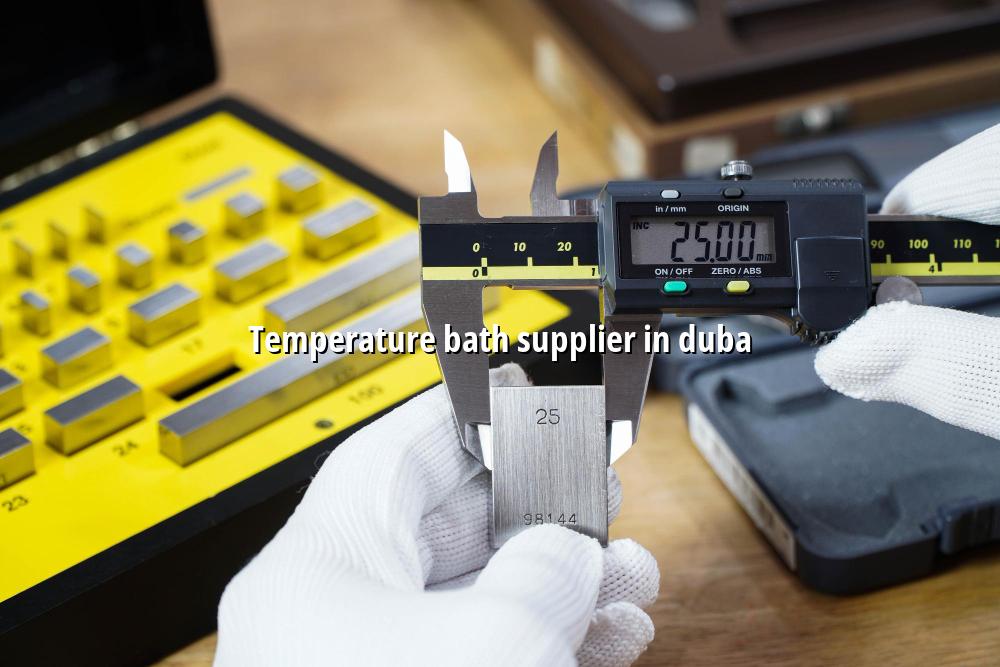
Temperature bath supplier in Duba searches usually come from people who need one thing: a dependable bath that holds temperature properly and fits into real calibration work. If that sounds like your situation, this page will help you choose the right unit, check the details that matter, and avoid buying something that looks right on paper but causes trouble in the lab.
We work with calibration teams, production plants and service companies across India, Saudi Arabia and the Middle East, so we see the same problems again and again. The wrong bath wastes time, gives unstable readings and ends up parked in a corner. The right one becomes part of daily work, especially where ISO/IEC 17025:2017 traceability and repeatable results matter.
Temperature Bath Supplier in Duba for Lab-Ready Selection
A good temperature bath is more than a tank with a heater. In a calibration lab, the bath has to support the temperature range you actually use, hold steady long enough for instrument comparison, and stay easy to clean between jobs. That matters for RTDs, thermocouples, thermometers and other sensors that need a controlled liquid environment, not a rough workshop setup.
Why bath stability matters in calibration work
When a bath drifts, every reading after that becomes harder to trust. We’ve seen teams spend extra time chasing a problem that started with poor stability, uneven circulation or a vessel that was too small for the probes they test every day. If your lab handles industrial, healthcare or food-chain instruments, a stable bath supports the repeatability you need for internal checks and formal calibration records.
Where the bath fits in a real facility
In practice, the bath usually sits inside a broader temperature-control workflow. It may support incoming instrument checks, maintenance verification, batch testing or periodic calibration of field equipment brought in from site. For sites in Chennai, Dammam Industrial City 2 and other industrial hubs across the region, a bath is often part of a mixed setup alongside dry blocks, reference standards and data logging tools.
- Confirm the measurement range — match the bath to the temperatures you really test, not the widest number on a brochure.
- Check fluid compatibility — the bath fluid has to suit the target range and the materials in contact with it.
- Review the vessel size — make sure your probes, reference sensors and fixtures fit without crowding.
- Ask about traceability support — calibration records and reference checks should fit your quality system.
- Choose a bath with steady circulation, not just a strong heater.
- Look for easy drain and cleaning access. Labs lose time when maintenance is awkward.
- Make sure the controller display is readable in a busy lab bay.
- Check whether pick-up and delivery are needed for special handling conditions.
- Ask how the bath will fit with your calibration workflow and reference instruments.
Key Points to Compare When Choosing a Temperature Bath
| Selection Point | What to Look For | Why It Matters |
|---|---|---|
| Temperature range | Must cover the instruments you test most often | A bath that runs outside your real range adds cost without helping daily work |
| Stability | Stable control and even circulation across the vessel | Better repeatability during calibration and verification |
| Tank size | Enough space for probes, fixtures and reference sensors | Prevents crowding and uneven immersion conditions |
| Service model | Supply, setup support, calibration and maintenance planning | Keeps the unit usable after installation, not just on delivery day |
How the Right Bath Supports ISO Work
In calibration labs, the bath itself is only one part of the story. You also need a setup that supports documentation, traceability and routine checks. Teams working to ISO/IEC 17025:2017 usually care about the practical side first: can the bath hold the condition you need, can it be verified, and can it stay usable through repeated daily work?
What engineers usually ask us first
The first question is often about application. A maintenance manager may need a bath for sensor checks in a plant workshop, while a lab engineer may need one for controlled comparison work before sending instruments out to site. We also get asked about mobility, because some customers prefer in-house use while others want a unit that supports onsite work or moveable setup planning.
Built Around Real Industrial Use
Temperature baths are used in labs serving oil and gas, petrochemical, power, manufacturing, healthcare and cold-chain operations. Those environments don't forgive guesswork. A bath that is simple to operate, easy to verify and suited to your temperature range makes day-to-day work calmer and cleaner.
Details That Save You Trouble Later
Most bad purchases happen because the buyer focuses on the headline and skips the small details. In our experience, the second page of the spec sheet is where the real story sits. Things like fluid depth, ease of draining, controller layout and cleaning access matter every week after installation.
If your team supports a cold-chain warehouse, a reefer fleet or an industrial maintenance workshop, you may also need to think about how the bath will be stored, moved and serviced. A unit that is easy to position and maintain is usually a better long-term choice than one that only looks impressive during the first visit.
- Ask for the bath documentation early, before the purchase is final.
- Match the accessories to your probes and fixtures, not the other way around.
- Think about installation space, power needs and maintenance access.
- Plan calibration and verification as part of the buying decision.
From Supply to Setup, What a Good Partner Should Cover
A supplier should do more than hand over a box and leave. For a temperature bath used in calibration work, the real support starts with selection and continues through installation, verification and service planning. That is especially useful for labs setting up in Chennai, Dammam or other industrial zones where the cost of a bad start is downtime.
We also see cases where a customer needs related items at the same time: reference comparators, control checks, lab layout advice or a clean way to manage equipment brought in from site. That’s why the supplier conversation often leads straight into lab design, calibration services and maintenance planning.
Talk Through the Application First
If you test sensors for process plants, cold rooms or utility systems, the bath should fit the work, not the reverse. A short discussion at the start usually saves a lot of rework later. That’s the pattern we trust.
How Mayon Industrial Services Can Help
We help you choose the right temperature bath for calibration labs, workshop checks and industrial use, then connect that choice with the rest of your setup. Our team also supports calibration services, lab design and setup, repair and maintenance, and training for engineers and technicians, so the equipment fits your daily work instead of creating new problems.
Call +91 99447 80844 (India) or +966 59 633 8012 (Saudi Arabia), email services@mayonservices.com, or message us on WhatsApp.
Frequently Asked Questions
Yes, you can source one through suppliers who understand calibration work rather than only general laboratory hardware. The key is to check the temperature range, bath stability and support for traceable verification. If you need help matching the bath to RTDs, thermocouples or process sensors, ask for application-based guidance.
Start with the actual temperature range you use most often. Then look at stability, vessel size, fluid compatibility and how easy the unit is to clean and maintain. Those details decide whether the bath is useful every day or just sits idle after commissioning.
It can, if the setup supports the process properly. That means the bath should be suitable for the range, capable of stable control, and supported by your own verification and documentation practices. The equipment alone doesn't make the result traceable; the whole workflow does.
We support customers across India from Medavakkam, Chennai, and in Saudi Arabia through our Dammam Industrial City 2 presence with SMC Engineering Services / Sixfaces Maintenance Co. That regional setup helps when a customer needs supply, setup planning or related calibration support in the same project.
We usually see demand from oil and gas, petrochemical, power, manufacturing, healthcare, pharmaceutical, food and beverage, and cold-chain operations. These sectors need controlled temperature checks for sensors, instruments and maintenance verification, so the bath has to be practical, not decorative.
Ready to source a bath that fits real lab work?
If you're planning a new setup or replacing an old unit, we can help you choose a bath that suits your instruments, your workflow and your quality system.
Contact MayonA temperature bath should make calibration easier, not harder. We keep that idea in mind on every job, and it’s why many customers call us again when the next lab or project comes up.