
Temperature Calibration Company in Abqaiq
Traceable temperature calibration support for plants in Abqaiq, with onsite work, lab handling, and pickup for sensitive instruments.
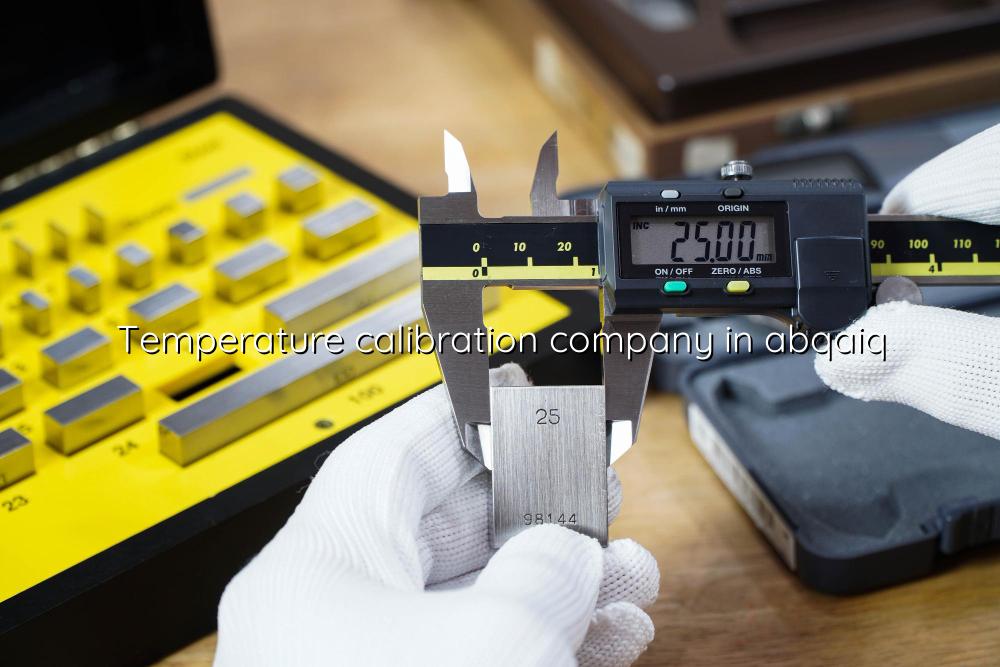
Temperature calibration company in Abqaiq support matters when a transmitter, bath, oven, freezer or chamber starts drifting and your process data stops lining up with reality. We help you keep those readings traceable, so your maintenance team can trust alarms, trends and batch records.
Abqaiq plants work in tough conditions, and temperature issues usually show up in the worst spots: tank farms, utilities, labs, food storage, packaged systems and control rooms. Our team works with Saudi industrial clients from Dammam Industrial City 2 and across the Middle East, using ISO/IEC 17025:2017 practices, onsite visits and a temperature-controlled in-house lab when the instrument needs careful handling.
Why a temperature calibration company in Abqaiq needs to do more than check a number
Temperature calibration is not just about matching a reference point. It’s about checking the whole measurement chain: sensor, transmitter, display, wiring, installation position and the way the device behaves at low, mid and high points. If a petrochemical utility line, cold room or process vessel is reading even slightly off, operators can end up chasing the wrong problem. We see that often enough to know the pattern.
For Abqaiq clients, the usual request is practical. They want the instrument checked onsite, the uncertainty kept traceable, and the result documented in a way QA and maintenance can use. That can mean dry block calibration, liquid bath work, comparison against a calibrated reference thermometer, or pickup and delivery to our lab when the device needs stable conditions. The right method depends on range, response time and where the instrument sits in the plant.
Where temperature errors usually start
Most issues begin with drift, poor installation or a sensor that has aged past its normal service life. In our work across Saudi Arabia and India, we also see wiring problems, moisture ingress, damaged probes and control loops that were never verified after shutdown work. A quick functional test is not enough for QA records or audits under ISO/IEC 17025:2017.
What the calibration record should tell you
A proper record should show the asset ID, reference used, actual readings, deviations, environmental notes and whether the unit passed or failed against the agreed tolerance. That helps your team decide whether to return the instrument to service, adjust the process, or send it for repair. If you run a lab, warehouse, cold-chain store or refinery utility area, that paper trail matters as much as the measurement itself.
- Confirm the instrument and range — we identify the thermometer, RTD, thermocouple, transmitter, indicator or chamber and check the operating range against the asset tag.
- Choose the right method — onsite comparison, dry block, liquid bath or controlled-lab verification is selected based on the device, tolerance and access conditions.
- Stabilize the setup — the reference and device under test are allowed to settle so the reading is not affected by handling or sudden temperature change.
- Record readings at agreed points — we document deviations at multiple points, then compare them with your acceptance limits and issue the result for QA use.
- Keep critical sensors labeled by location, loop number and service duty before the calibration visit.
- If the probe is bent, corroded or slow to respond, flag it before the technician arrives.
- For cold rooms and freezers, ask for readings taken near the operating point, not just at room temperature.
- If the instrument is part of an audit trail, keep the previous certificate with the asset file for comparison.
Temperature calibration options for common Abqaiq plant equipment
| Equipment | Typical site use | Best-fit calibration approach |
|---|---|---|
| RTDs and thermocouples | Process lines, vessels, utilities | Onsite comparison or lab verification against a traceable reference |
| Digital thermometers | Maintenance checks, QA rounds, storage areas | Multi-point comparison with documented deviation and pass/fail result |
| Temperature chambers | Testing, storage and controlled environments | Mapping and chamber verification using calibrated references at set points |
| Cold rooms and freezers | Food, pharma and cold-chain storage | Temperature mapping with sensors placed at representative locations |
How accurate temperature data helps QA, maintenance and operations
When a plant trusts its temperature readings, decisions get cleaner. Maintenance can spot a sensor that is drifting before it becomes a shutdown issue. QA can clear batches with better evidence. Operations can see whether a process is stable or just pretending to be stable because the instrument is off.
Why traceable calibration matters in Saudi industry
In oil & gas, petrochemical and power work, temperature readings often support safety checks, process control and equipment protection. That is why many teams in Abqaiq ask for ISO/IEC 17025:2017 traceability and clear certificates rather than a simple field check. Our calibration process is built around that expectation, with the same discipline we use for clients across India and the wider GCC.
Built for field realities
Temperature work in a live plant can be awkward. Space is tight, access is limited, and shutdown windows never feel long enough. We plan around that by using mobile calibration capability onsite, and by taking instruments back to our controlled lab when a stable environment is the better choice.
Where temperature calibration shows up in Abqaiq projects
Cold-chain teams use it to keep storage and transport conditions documented, especially where reefer vehicles, freezers and warehouses need mapped evidence. A sensor that looks “close enough” can still create a problem if the product spec is tight.
In manufacturing and engineering, calibration supports ovens, environmental chambers and test rigs. A small offset at the instrument can become a rejected batch or a repeated test run, which nobody wants on a busy site.
For healthcare and pharmaceutical spaces, the focus is tighter still. Storage fridges, lab incubators and chambers need records that show the device was checked against a traceable reference, not just assumed to be fine.
How Mayon Industrial Services Can Help
We support temperature calibration as part of a wider industrial service scope: calibration, condition monitoring, mechanical work, inspection, orbital welding, lab setup and training. If your site in Abqaiq needs onsite verification, controlled-lab handling or pickup for sensitive instruments, we can work to the plant conditions you already have. Tell us what’s in service, and we’ll help you map the right approach.
Call +91 99447 80844 (India) or +966 59 633 8012 (Saudi Arabia), email services@mayonservices.com, or message us on WhatsApp.
Frequently Asked Questions
We support onsite temperature calibration for industrial sites in Abqaiq, including process areas, utilities, storage rooms and test environments. The right option depends on the instrument type, access, tolerance and whether the item needs to stay in service. If needed, we can also take sensitive instruments back to a controlled lab.
For regulated work, audit trails and critical process control, ISO/IEC 17025:2017 traceability is usually the safer route. It gives you documented evidence of measurement control, which helps when QA teams review certificates or when a client asks how the readings were checked. For routine checks, the method still needs to suit the tolerance and the device.
Yes. Cold rooms, freezers, reefer vehicles and similar storage systems often need both calibration and temperature mapping. We can work with the operating range that matters to you, so the result reflects how the unit behaves in real use, not just at room conditions.
Usually the certificate will show the deviations and whether the instrument passed or failed against the agreed limits. From there, your team can decide whether to repair, adjust, replace or return the unit to service. If the item is critical, we suggest keeping a spare on hand so the process does not stop while you sort it out.
Yes, we do when the instrument needs careful handling or a more stable environment than the site can provide. That is useful for delicate devices, sensitive lab items and equipment that should not be moved loosely through a busy plant. We can talk through the handling plan before collection.
We most often see requests from oil & gas, petrochemical, power, healthcare, pharmaceutical, cold-chain, food and beverage, manufacturing and engineering teams. Each one has its own tolerance, documentation and access issues, so we adapt the method to the site rather than forcing the same approach everywhere.
Need temperature readings you can trust on the next shutdown?
Send us the instrument list, and we’ll help you plan the right calibration route for Abqaiq or the wider Saudi market.
Contact MayonFor teams searching for a temperature calibration company in Abqaiq, the real goal is simple: keep the plant honest. That means traceable readings, sensible methods and a team that understands industrial work in Saudi Arabia, not just lab theory. Mayon Industrial Services is set up for that kind of job.