
Third Party Inspection Company in Dammam
Independent inspection support for Dammam projects that need clear records, safe equipment and standards-based reporting.
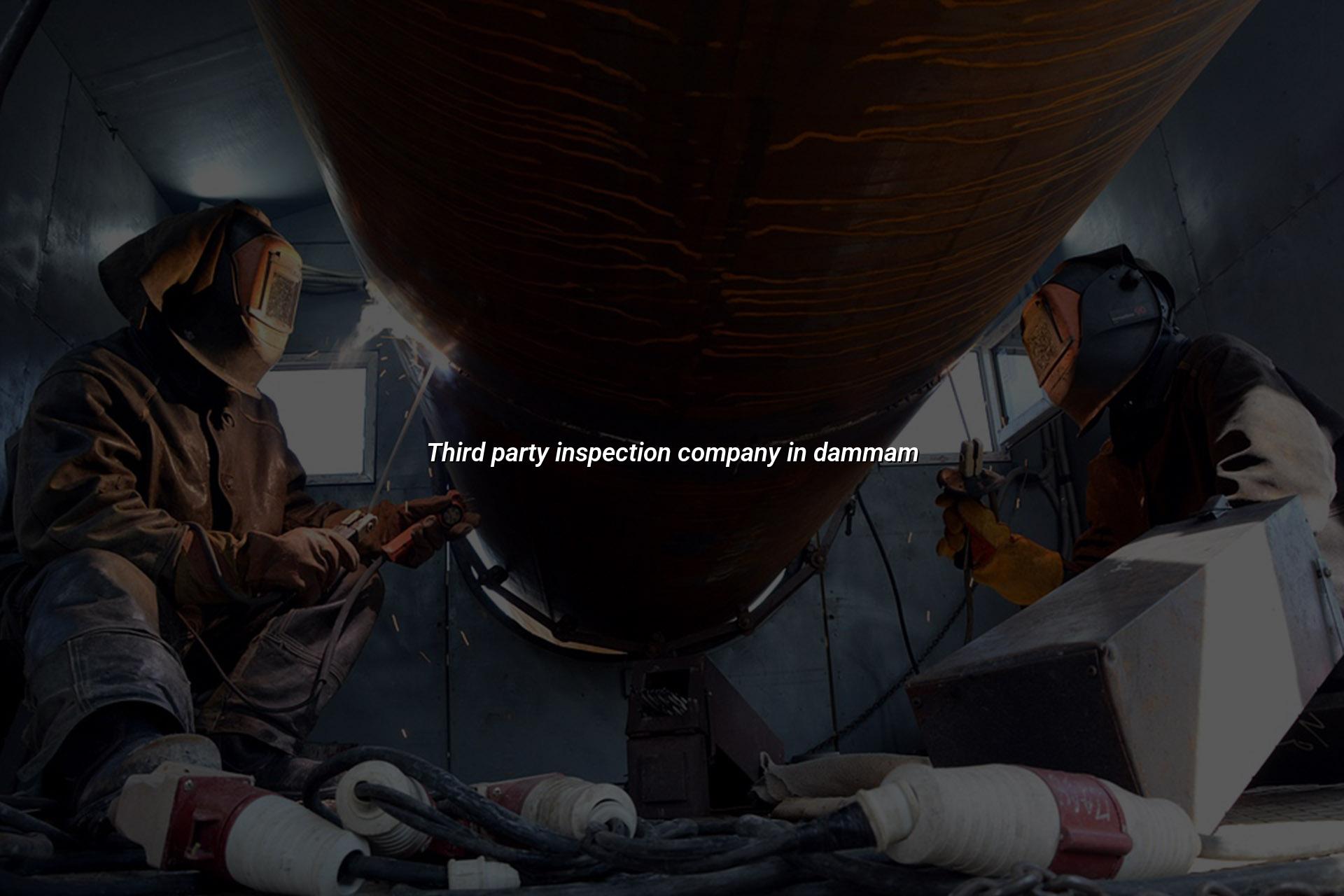
A third party inspection company in Dammam helps you prove equipment condition, safety and traceability before a lift, shipment, shutdown or handover. If you need clear, independent reporting for a Saudi project, this page shows where inspection matters most and how to handle it without wasting time.
We work with teams in Dammam Industrial City 2, across the Eastern Province and on wider GCC sites that expect proper documents, practical field checks and standards-based decisions. That usually means lifting gear, NDT, PPE, welded items and site equipment that can’t be left to guesswork.
Third Party Inspection Company in Dammam for Critical Assets
When procurement, maintenance and QA teams ask for an independent inspection, they usually want one thing: a record they can stand behind. In Dammam, that can mean lifting equipment for oil and gas work, PPE used on site, NDT on fabricated parts, or checks tied to commissioning and shutdown work. We keep the focus on condition, conformity and evidence, not on vague approval language.
Why independence matters on Saudi projects
On client sites, the inspector often sits between the supplier and the end user. That’s useful. It reduces arguments later because the findings are based on the item in front of you, the standard in use and the condition found at the time of inspection. For lifting gear and safety-related items, that separation matters as much as the checklist itself.
Where the work usually starts
Most calls begin with a list, not a report. You may have slings, shackles, hooks, cranes, portable appliances or pressure-related items that need verification before use. In our experience, the best jobs start with asset details, tag numbers and the site rule set, then move straight into physical inspection, measurements and photo records.
- Identify the asset group — confirm whether the job is for lifting equipment, NDT, PPE or another inspection scope.
- Check documents first — review tags, test records, certificates and any site-specific approval needs.
- Inspect in the field — examine condition, markings, wear, defects and visible safety issues.
- Record findings clearly — capture photos, observations and pass or fail status in a format your team can use.
- Act on the result — separate acceptable items from those needing repair, retest or withdrawal from service.
- Use independent inspection before lifting, shipment or commissioning.
- Keep tag numbers and asset lists ready to shorten site time.
- Ask for photo-backed findings, especially on critical safety items.
- Match reports to the site’s approval process, not just the vendor’s format.
- Re-inspect repaired items before putting them back into service.
Inspection Types Clients Ask for Most in Dammam
| Scope | What We Check | Typical Site Use |
|---|---|---|
| Lifting equipment inspection | Condition, markings, wear, deformation and serviceability | Crane lifts, rigging, material handling and shutdown work |
| NDT inspection | Surface or internal defect indication using suitable methods | Fabrication, repairs, welds and maintenance jobs |
| PPE inspection | Visual condition, damage, expiry status and usability | Site safety control for workers and contractors |
| Third-party verification | Evidence, records and conformity against the required standard | Client handover, audit support and vendor clearance |
What Strong Inspection Reports Help You Avoid
A good inspection report keeps bad equipment out of service before it becomes a site problem. That matters in oil and gas yards, petrochemical plants, power facilities and construction areas where one missed defect can stop a lift or create a safety issue. We see the same pattern again and again: teams that inspect early spend less time fixing avoidable trouble later.
For auditors, operators and contractors
Report quality matters because different people read the same document for different reasons. The site engineer wants a pass or fail view. The HSE team wants hazard control. Procurement wants proof that the vendor met the brief. A solid third-party inspection file answers all three without adding noise.
Useful on site, useful later
When a job is done properly, the record helps during handover, maintenance planning and internal review. It also gives your team something concrete to rely on if equipment is challenged later. For Dammam projects, that kind of paper trail is often the difference between a quick sign-off and a week of back-and-forth.
A Practical Inspection Workflow That Works
Most inspections go smoother when the scope is nailed down before anyone drives to site. That saves time in Dammam, Jubail and other Eastern Province locations where project teams are often balancing permits, access controls and production windows. A tidy workflow also means your report lands in a form that your client or internal QA team can use right away.
Simple process, fewer surprises
We usually start with the scope, the site location and the documents available. Then we move into physical checks, measurements and field observations. If a defect is found, it gets noted clearly so the corrective action is obvious. That’s the whole point.
What you should have ready
Tag lists, asset serial numbers, previous certificates and the site’s acceptance criteria make a big difference. If the job involves lifting gear or PPE, photos of the item in use can help too. The less guessing we do on arrival, the faster the inspection becomes.
- Share the inspection scope before the visit.
- Keep asset tags visible and readable.
- Make sure the work area is safe and accessible.
- Hold previous records ready for comparison.
- Confirm who signs off the final result.
Why Local Inspection Support Helps Saudi Teams
Clients in Dammam often need inspection support that fits site reality, not just paperwork. That means contractors, maintenance teams and plant operators want a partner who can work around active operations, understand industrial access rules and keep communication plain. For Saudi oil and gas, petrochemical and power work, that practical approach saves a lot of friction.
Because we also support India and the wider Middle East, we’re used to mixed project environments, cross-border supply chains and documents that need to be readable by more than one team. That’s common in the GCC. It’s also why independent inspection needs to be organised, traceable and easy to defend.
Standards that matter in this space
For inspection-related work, we keep to the standards already relevant to our service lines: ISO/IEC 17025:2017 for calibration and testing competence, ISO 9001:2015 for quality management, BS EN standards for lifting and inspection, and EURAMET CG-15 for electrical calibration. We don’t pad the page with extra claims. The document has to stand on its own.
Good fit for high-risk work
Third-party inspection is especially useful where lifting, electrical systems, pressure equipment or worker safety can’t be left to assumptions. That’s why many Dammam clients call for inspection before a shutdown activity, after repair, or before releasing a contractor’s gear into service.
How Mayon Industrial Services Can Help
We support clients who need inspection to sit alongside calibration, mechanical work, NDT, orbital welding and lab setup. If your team in Dammam or the Eastern Province needs lifting-equipment checks, PPE inspection, verification support or field records that make sense to engineers and auditors, we can handle the job with a steady hand.
Call +91 99447 80844 (India) or +966 59 633 8012 (Saudi Arabia), email services@mayonservices.com, or message us on WhatsApp.
Frequently Asked Questions
We usually check the item’s condition, markings, serviceability and any evidence needed to support a pass or fail decision. For lifting gear, that can include wear, deformation and identification details. For PPE or other safety-related items, the focus is on visible damage, suitability and whether the item is still fit for use.
Yes, we do. Lifting equipment inspection is one of the most common calls we get from Saudi clients, especially when gear is going into service, coming back from repair or being prepared for a site audit. We check the equipment, document the result and flag anything that needs attention before use.
Yes. We work with oil and gas, petrochemical and power clients across Saudi Arabia and the Middle East, including Dammam-based operations and industrial sites nearby. The usual need is for clear field records that fit the project’s approval process and don’t create extra rounds of clarification.
Have the asset list, tag numbers, previous reports and the site acceptance requirements ready if you can. If the job is tied to lifting or safety equipment, photos and location details help too. That saves site time and reduces the chance of rework because the scope is clearer from the start.
Yes, and that’s often useful for maintenance shutdowns and project handovers. We also handle calibration, mechanical services, electrical testing, orbital welding, lab setup and repair work, so teams don’t need to coordinate several separate vendors for closely related jobs.
Ready to get the inspection record sorted?
If you need a third party inspection company in Dammam that understands field work, safety records and practical reporting, talk to Mayon and get the scope moving.
Contact Mayon