
Third Party Inspection Company in Hail
Independent inspection support for plants, projects and shutdown work across Hail and the northern Saudi market.
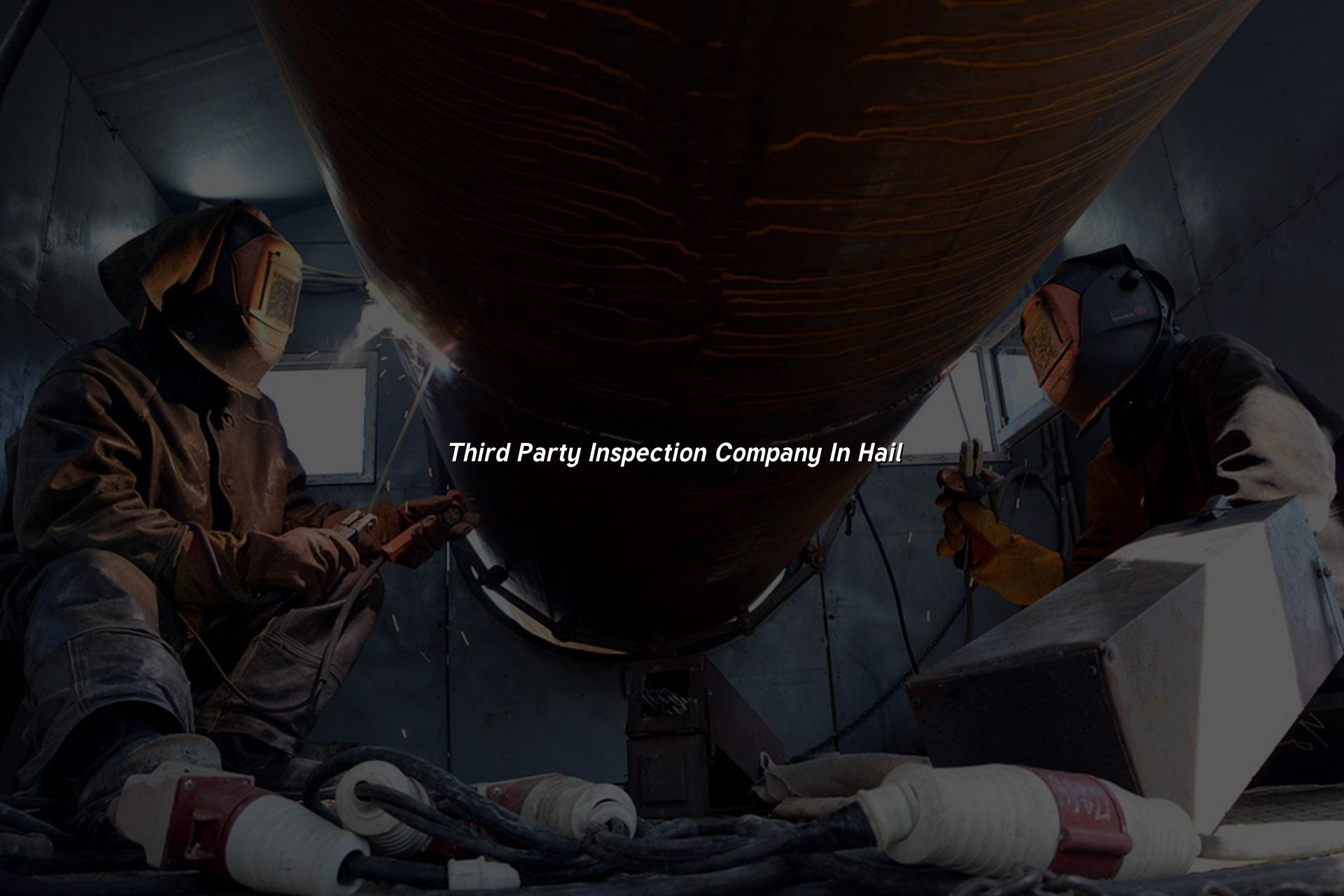
Third party inspection company in Hail searches usually come from teams that need an unbiased report before a lift, a handover or a maintenance shutdown. That’s the work we support. We help you verify equipment, record findings clearly and keep the paper trail clean for site teams, QA and procurement.
From our Saudi operations in Dammam Industrial City 2, we support clients in Hail and across Saudi Arabia with inspection, NDT, PPE checks and related field services. If your site works with cranes, lifting accessories, pressure systems or safety-critical tools, you need practical inspection support, not vague paperwork.
What a third party inspection company in Hail should cover
When a plant in Hail asks for third-party inspection, the real need is usually simple: prove that the item in service is fit enough for the task, and document the result in a way that stands up inside the site’s own system. In practice that can mean lifting-equipment checks, NDT for suspect joints, PPE inspection to BS EN standards, or verification before commissioning and re-entry to service. We see this a lot in oil and gas support yards, fabrication shops, construction sites and cold-chain facilities where downtime gets expensive quickly.
Why independent inspection matters
Internal maintenance teams do good work, but there are moments when a separate inspection layer makes life easier. A third party report helps reduce argument on responsibility, gives your HSE team a clear record, and supports release decisions for cranes, hooks, shackles, slings and other lifting accessories. It also helps when a client, principal contractor or project manager wants evidence that the check wasn’t just a visual glance before use.
How we approach site work
Our field teams focus on the basics first: identification, condition, traceability and the actual use case. If a lifting accessory is being used in a yard near Hail’s industrial areas, we inspect the markings, look at wear, compare it against the expected service condition and document the outcome plainly. For NDT, the method depends on the component and the defect concern. For PPE, we check against the relevant BS EN expectations used on industrial sites, especially where fall protection and head protection are involved.
- Confirm the item list — we start with serial numbers, tag numbers, asset IDs and the actual equipment location.
- Check the duty and condition — our inspectors look at the working environment, load history and visible wear before deciding the next step.
- Perform the needed inspection — this may include visual inspection, NDT, dimensional checks or PPE assessment.
- Record the result clearly — we note pass, fail or observation status so your team can act without guessing.
- Helps reduce disputes before lifts, shutdowns and handovers
- Supports third-party evidence for site files and client reviews
- Works for lifting equipment, NDT and PPE inspection needs
- Useful for Hail, northern Saudi sites and project-based mobilization
- Backed by ISO/IEC 17025:2017 traceability where calibration is involved
Typical inspection requests and what they usually need
| Request type | Typical focus | What the site gets |
|---|---|---|
| Lifting equipment inspection | Hooks, shackles, slings, cranes and accessories | Clear condition status and release decision support |
| NDT inspection | Surface or internal defect concerns on critical parts | Findings that help maintenance decide repair or replace |
| PPE inspection | Fall protection and industrial PPE checks to BS EN standards | Pass/fail records for site safety control |
| Pre-use verification | Short-cycle checks before work starts | Fast site confidence before lifting or commissioning |
What good inspection reports should give you
A proper inspection report should do more than say approved or rejected. It should identify the item, show the basis of the check, point out visible defects and tell the next person what action to take. That matters when your team in Hail is dealing with rotating shift crews, subcontractors and client audits. A short, tidy report with poor detail causes more trouble later than no report at all.
Records that make life easier
We keep reports practical. That means traceable identification, the inspection method used, remarks that a maintenance lead can understand and enough detail for your file to make sense six months later. When a report is tied to calibration data, we keep the measurement chain in mind so the result supports the wider quality system, not just the single task on hand.
Sites that usually call us
We often hear from oil and gas contractors, petrochemical teams, power sites, construction crews, manufacturers and cold-chain operators. The needs vary, but the aim is the same: keep equipment safe to use, keep records tidy and avoid surprises during audits or site handovers.
Things to line up before the team arrives
Good site preparation saves time and avoids repeated visits. If you’re booking a third-party inspection company in Hail, have the asset list ready, clear access to the work area and the most recent maintenance records if they exist. For lifting gear, tag numbers and safe working details help a lot. For PPE inspection, separate the items by type so the check and documentation stay clean.
We also recommend assigning one site contact who knows the equipment status. On busy jobs, especially where multiple subcontractors are sharing the same laydown area, that single point of contact prevents confusion. A small thing, but it saves back-and-forth when the inspector needs to confirm whether an item is in service, on hold or already condemned.
Useful checks from your side
Start by confirming whether the equipment needs visual inspection only or something deeper like NDT. Then make sure the site can show the last service date, previous reports and any known defect history. If your team wants calibration-linked measurements, make sure the equipment is available in a stable condition and not already stripped down for repair. That makes the visit more useful for everyone.
- Keep tag numbers and asset IDs ready before the visit
- Separate lifting gear, PPE and NDT items by inspection type
- Share any old reports, defect notes or maintenance history
- Nominate one site contact for access and sign-off
- Make sure the work area is safe and reachable
How standards shape third-party inspection work
On industrial sites, standards matter because they make inspection decisions consistent. For lifting and inspection work, BS EN standards are commonly used as the reference point. Where measurements or calibration support the inspection chain, ISO/IEC 17025:2017 gives confidence that the process sits on traceable, competent measurement practice. In electrical calibration work, EURAMET CG-15 is a useful reference, and ISO 9001:2015 supports the wider quality management framework.
That does not mean every job needs a full laboratory-style exercise. It means the way we inspect, record and verify should be disciplined enough for the environment you work in. A manufacturing site in Hail has different pressures from a warehouse or a utility yard, but the expectation is similar: clear findings, no guesswork and no inflated claims.
Where this helps most
We find the standards conversation matters most during client audits, commissioning handovers and recurring maintenance intervals. That’s when people ask who inspected the equipment, what basis was used and whether the record can be trusted. If the answer is vague, the site pays for it later. If the answer is clear, the job moves on.
Common equipment we inspect
Cranes, hooks, shackles, slings, PPE, related lifting accessories and selected items that need NDT or pre-use verification before work starts. If the item sits in a safety-critical path, we treat the inspection seriously and document it the same way.
How Mayon Industrial Services Can Help
We support Hail projects with third-party inspection, calibration, mechanical services and field engineering under one roof. That helps when your job needs more than a report. If we find an issue, our team can often support the next step too, whether that means calibration, repair, testing or a more detailed engineering review.
Call +91 99447 80844 (India) or +966 59 633 8012 (Saudi Arabia), email services@mayonservices.com, or message us on WhatsApp.
Frequently Asked Questions
Teams that need an independent sign-off before use usually call us first. That includes lifting crews, maintenance departments, contractors and site HSE teams working with cranes, lifting accessories, PPE or items that need NDT. If a client wants a separate inspection record before handover, this service fits that need very well.
We handle lifting-equipment inspection, NDT support and PPE inspection to BS EN standards, along with related field checks tied to mechanical and maintenance work. The exact scope depends on the item and the site risk. If calibration or test equipment is part of the process, we also keep ISO/IEC 17025:2017 traceability in mind.
Yes. We support onsite work in Saudi Arabia through our Dammam Industrial City 2 operation and mobilize to project locations as needed. That works well for assets that are hard to move, safety items that need to be checked in place, or shutdown jobs where the equipment has to stay on site.
Yes, if the site scope makes sense, we can combine checks in one visit. That is often useful when a contractor wants lifting gear verified and PPE checked before a project starts. It saves coordination time and gives your team one cleaner record set to work from.
Send the item list, asset numbers, location and the kind of inspection you need. If you have old reports, defect notes or maintenance history, include those too. That helps us plan the visit properly and bring the right tools, especially if NDT or other verification work is involved.
Ready to get the inspection moving?
If you need a third party inspection company in Hail that can handle field work with clear reporting, get in touch and tell us what equipment you’re working on.
Contact MayonWhen the job depends on a clear inspection decision, you want a team that works carefully and writes plainly. That’s how we operate at Mayon Industrial Services, and it’s why many clients keep coming back for inspection, calibration and site engineering support.