
Valve Testing Company in Abqaiq
Onsite valve testing, calibration support and commissioning checks for industrial assets in Abqaiq and the Eastern Province.
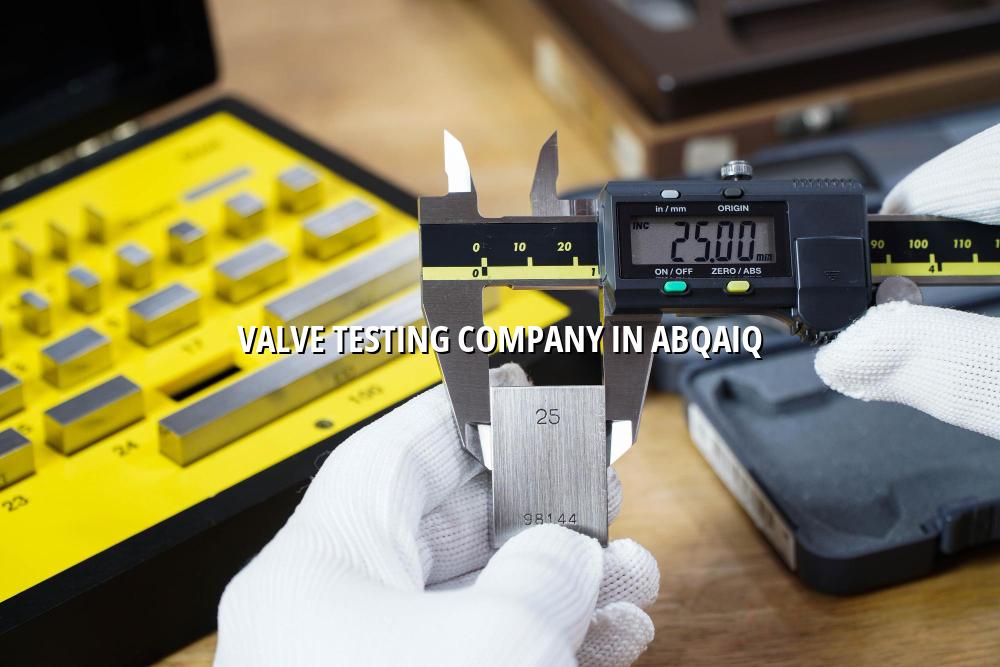
Valve testing company in Abqaiq searches usually come from a real plant problem: a valve is leaking, a line is due for shutdown checks, or the QA team needs test records they can stand behind. We help you confirm whether a valve can hold pressure, pass seat tests and return to service with less guesswork.
From Abqaiq and the wider Eastern Province to Saudi industrial sites that support oil & gas, petrochemical and power operations, our team works with the kind of equipment and paperwork these environments expect. We bring ISO/IEC 17025:2017 discipline into the job, and we keep the testing practical for field crews who need answers they can use.
What a valve testing company in Abqaiq should actually check
Good valve testing is not just a box to tick. You want evidence that the valve seats properly, the body holds pressure, the actuator and accessories respond as expected, and the tag number on the report matches the asset in the field. In Abqaiq, that usually means working around tight maintenance windows, dusty conditions and systems that cannot afford repeat work.
Where testing starts
We begin by identifying the valve type, service medium, pressure class and the test standard or plant procedure you want followed. A gate valve on utility service does not need the same approach as a control valve on a critical process line, so the test set-up has to fit the duty. That is where experienced technicians save time, because they know what to verify before pressurising anything.
What the report should show
At minimum, you need the asset identification, test medium, observed pressure behaviour, any leakage noted, the condition of the body and seats, and the final pass or fail result. If the valve is linked to a shutdown package or commissioning file, the record should be clean enough for QA review without chasing missing lines. That's the level of discipline we keep on every job.
- Identify the valve and service — confirm tag number, line number, pressure class and whether the valve is manual, actuated or part of a control loop.
- Prepare the test set-up — isolate the valve, select the right medium, and make sure gauges, fittings and hoses are in good condition before pressurising.
- Run the pressure and seat checks — hold the required test pressure, watch for leakage, and verify the valve seats properly without abnormal drift.
- Record and close out — document results, note any defects, and hand over a report that maintenance or commissioning teams can file straight away.
- Match the test method to the valve type, not the other way around.
- Verify gauges and instruments before the job starts, especially for shutdown work.
- Keep the valve traceable by tag number, location and line reference.
- Ask for photos or field notes when the valve is in a congested rack or skid.
Typical checks used during valve testing and acceptance
| Check | What it tells you | Where it matters most |
|---|---|---|
| Body pressure test | Shows whether the valve body holds pressure without leakage or visible distress. | Line isolation, maintenance return-to-service, fabrication and repair work. |
| Seat leakage test | Confirms the disc or plug seats properly and controls bypass across the sealing surface. | Process lines, utility isolation, custody-sensitive or safety-related systems. |
| Actuator response check | Verifies that pneumatically or electrically actuated valves respond correctly to command input. | Control loops, shutdown systems and commissioning activities. |
| Visual inspection | Finds corrosion, damage, nameplate issues and fit-up concerns before the valve is returned to service. | Pre-job checks, repair verification and post-maintenance acceptance. |
Why local plant teams ask for valve testing support
In Abqaiq, a valve problem can hold up an entire maintenance package. Teams usually want a service provider who understands isolation, line safety, reporting discipline and the pressure to get a valve back into the system only when it is ready. That is why people ask for a valve testing company in Abqaiq that can work neatly with mechanical and inspection scopes instead of creating another layer of coordination.
What helps reduce repeat work
Clear tagging, proper test records and a technician who knows how to spot worn seats or damaged packing save a lot of rework later. When the same crew can also support calibration, condition monitoring, mechanical services and commissioning checks, the job tends to move with fewer hand-offs. We see that every time a shutdown team is trying to keep the schedule under control.
Field work that fits plant reality
We work with valves found in oil & gas, petrochemical, power, construction, manufacturing and cold-chain support systems. If the job needs an in-house check, an onsite visit or a mobile-lab style setup, we plan it around the asset and the site conditions.
Valve testing, calibration and inspection should work together
A valve test is only as reliable as the instruments behind it. If the pressure gauge, indicator or connected calibration equipment is out of tolerance, the report loses value fast. That is why our approach links valve work with ISO/IEC 17025:2017 calibration practices and, where needed, inspection support under BS EN standards for lifting and related industrial tasks.
For Saudi sites and Middle East projects, traceability matters. QA teams often need to show that test instruments were checked, the method made sense for the asset, and the technician followed a controlled process. That is standard practice for us, not an extra.
- Calibration support for pressure and related test instruments.
- Inspection inputs for damaged valves, fittings and service hardware.
- Commissioning checks when a new line or skid is being handed over.
- Practical field coordination for shutdown and turnaround teams.
What procurement and QA teams usually want from the report
Most clients do not just need a pass or fail. They want a report that can sit inside a maintenance file, support a turnaround close-out, or be attached to commissioning records without anyone asking for a rewrite. That means readable results, asset references, test conditions and a clear statement of what was found.
Useful records are plain records
We keep the language direct. If a valve passed seat leakage checks, that is stated plainly. If a defect was found, it is described in a way your engineers can act on, not hidden behind vague wording. That saves time for everyone who has to use the document later.
Simple, usable close-out
When the valve testing file is clean, maintenance can reopen the line with better confidence and fewer questions from QA, operations or the client side.
How Mayon Industrial Services Can Help
Our team supports valve testing alongside calibration, mechanical services, inspection, orbital welding and commissioning work, so you can deal with one partner instead of juggling several vendors. We work with the plant context in mind, from pressure instruments to field documentation, and we know the pace that Saudi and Middle East shutdown jobs usually demand. If you need a valve testing company in Abqaiq that can slot into a wider maintenance scope, we should talk.
Call +91 99447 80844 (India) or +966 59 633 8012 (Saudi Arabia), email services@mayonservices.com, or message us on WhatsApp.
Frequently Asked Questions
Usually, we look at body integrity, seat leakage, visual condition and, where needed, actuator response. The exact checks depend on the valve type and the plant procedure. A gate valve, a control valve and a safety-related line component do not always follow the same test path.
Yes. We support onsite work in Saudi Arabia, including industrial areas such as Dammam and jobs tied to Eastern Province operations. For site work, we plan around access, isolation needs and the test set-up required by the valve and the system.
Yes, and that is often when clients need us most. Shutdown jobs need clear tagging, practical field coordination and reports that close out cleanly. We fit into the maintenance plan so your team isn't left chasing missing records.
It matters because the measuring and calibration side of the job needs traceability. If the test instruments are properly controlled, the results are easier to defend in QA review and client handover. That's especially useful for industrial sites that expect disciplined documentation.
Yes. We regularly work alongside commissioning, mechanical repair and inspection scopes, so the valve test can sit inside the wider handover process. That keeps the records aligned and reduces the chance of repeat checks later.
Ready to get the valve file closed properly?
Send us the scope, valve list or site location, and we’ll help you plan the testing work with the right field support.
Contact Mayon