
Valve Testing Company in Al Khobar
Pressure-tested valve checks for oil, gas and industrial plants that need dependable performance in Eastern Province.
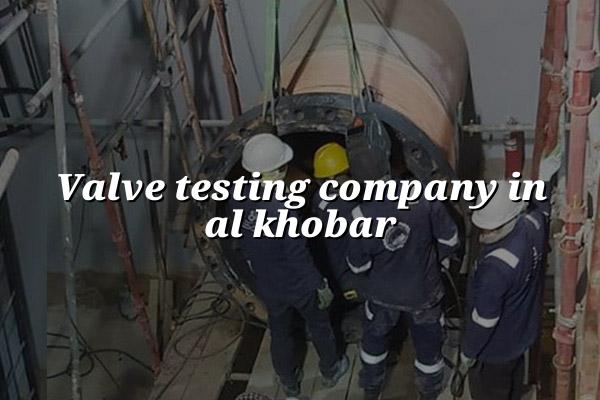
Valve testing company in Al Khobar services matter when a shutdown, leak concern or maintenance window leaves no room for guesswork. We help you confirm how a valve behaves under pressure, how well it seats, and whether it holds tight enough for service.
Our team works with plants across Saudi Arabia, including Eastern Province sites that depend on valves for oil, gas, petrochemical, power and water duties. We also support Indian and Middle East customers who want traceable testing with practical reporting, onsite visits and lab-backed handling when instruments or assemblies need careful control.
Valve Testing Company in Al Khobar for Critical Plant Work
When a valve reaches site, the real question is simple: will it seal, open and close the way the process needs it to? That is the part most maintenance teams want checked before reinstalling a critical line item. We look at the condition, the test method and the service duty together, so you are not left with a report that sounds neat but tells you little about actual plant use.
What we check during valve testing
We normally verify seat tightness, shell integrity, leak behaviour and functional movement, then compare the result against the valve type and the application it came from. In practical terms, that means paying attention to pressure holding, obvious leakage points, mechanical sticking and whether the operator can cycle the valve smoothly. For projects in Al Khobar, Jubail and Dammam, that often means supporting turnaround teams that need evidence before handing equipment back to operations.
Why Al Khobar buyers ask for traceable results
Procurement teams and maintenance managers usually want more than a pass or fail note. They want a record they can file with asset history, quality documents and shutdown packs. Our ISO/IEC 17025:2017 environment helps with that expectation, and in many cases the conversation also touches the test setup itself, because a valve can only be judged properly when the method, gauges and connections are under control.
- Identify the valve duty — confirm service fluid, line pressure, size, material and whether the valve is isolation, control or safety related.
- Select the test method — choose shell, seat, leak or functional checks based on the valve type and site requirement.
- Prepare the assembly — clean, inspect, isolate and connect it with the right fittings and test media.
- Apply and monitor pressure — watch the valve body, seats and moving parts for visible leakage or pressure loss during the run.
- Record the outcome — document findings clearly so your team can decide on repair, rework or return to service.
- Useful for shutdowns, pre-commissioning and maintenance verification.
- Helps spot seat leakage before the valve goes back into a live line.
- Supports plant records with practical test notes and clear observations.
- Works well for facilities in Saudi Arabia that expect disciplined quality control.
- Fits teams that need onsite help, not just lab paperwork.
Valve Test Types and What They Tell You
| Test Type | What It Checks | Where It Helps Most |
|---|---|---|
| Shell Test | Body strength and visible leakage from the pressure boundary | New valves, repaired valves and pre-installation checks |
| Seat Test | Leak tightness across the sealing surfaces when the valve is closed | Isolation service, shutdown packs and critical line protection |
| Functional Test | Opening, closing and movement of the operating mechanism | Manual, actuated and repeatedly cycled valves |
| Leak Observation | External seepage, weeping or pressure drop during hold periods | Maintenance review and return-to-service decisions |
How a proper test plan protects the plant
Valve testing is not only about the result on the day. It also reduces the chance of reinstalling a weak component into a high-consequence line, which can save time during the next outage. We see this often in oil and gas as well as cold-chain and utility work, where a small leak can become a bigger maintenance issue fast.
What experienced buyers usually ask for
They want the valve identified properly, the test setup explained, the observations written clearly and the outcome tied back to the equipment tag or asset list. If a valve needs repair, that next step should be obvious from the report. If it passes, the team should know what was checked and what was not.
Why plants in Al Khobar call early
Most teams contact us before the shutdown window closes. That gives everyone time to confirm access, test media, valve condition and the right handling method, especially when assemblies are large, heavy or tied to a critical line that cannot stay out of service for long.
Onsite testing or controlled handling in our service setup
Some valves are best checked where they already sit in the system. Others are better removed and verified in a controlled setup. We use that judgment a lot, because access, cleanliness, connections and the condition of the component all affect how useful the test will be. For customers with sensitive instruments or assemblies, our temperature-controlled in-house laboratory and mobile calibration capability also support related measurement and verification work around the valve job.
That mix is useful in Saudi Arabia, where industrial sites often run on tight maintenance plans and expect clear coordination from the first call. It also helps Indian clients who want one vendor for calibration, inspection and mechanical support instead of splitting the job across several contractors. If the valve itself is part of a larger package, we can keep the communication simple and keep the paperwork easier to follow.
How Mayon Industrial Services Can Help
We support valve testing with the same discipline we bring to calibration, mechanical services and inspection work. If your job also needs pressure checks, flange work, alignment support or documentation for a shutdown pack, we can handle the wider scope instead of sending you to different vendors. Tell us what valve you have, where it sits and what the site needs, and we will help you plan the next step.
Call +91 99447 80844 (India) or +966 59 633 8012 (Saudi Arabia), email services@mayonservices.com, or message us on WhatsApp.
Frequently Asked Questions
Usually the critical ones: isolation valves on process lines, valves that showed leakage, and any repaired or refurbished valve before it goes back into service. In our experience, teams also ask for testing when the valve sits in a shutdown pack and the site wants clean sign-off before start-up.
Yes, we can support onsite work where the access, isolation and test conditions make sense. That is often the better option for larger valves or lines where removal would add risk, delay or extra handling. If the setup needs more control, we can discuss the best way to manage it.
A useful report should identify the valve, list the test type, note the result and mention any visible leakage, movement issue or condition found during the test. Buyers usually want enough detail to file it with maintenance records and use it in a later repair or replacement decision.
Yes, that is a big part of the work we support in Saudi Arabia and the wider Middle East. Those sites usually want disciplined documentation, careful handling and a method that fits the valve duty instead of a generic check.
Look for a team that understands the valve type, the plant duty and the reporting level your site expects. Ask whether they can support onsite work, whether the results are traceable and whether they can coordinate with your maintenance window without creating extra steps.
Ready to check the valve before it goes back online?
Send us the valve details, the site location and the test need, and we will help you plan a practical next step for your Al Khobar or Saudi Arabia project.
Contact Mayon