
Vibration Analysis Company in Haradh
Onsite vibration checks and fault diagnosis for rotating equipment serving Haradh and nearby industrial sites.
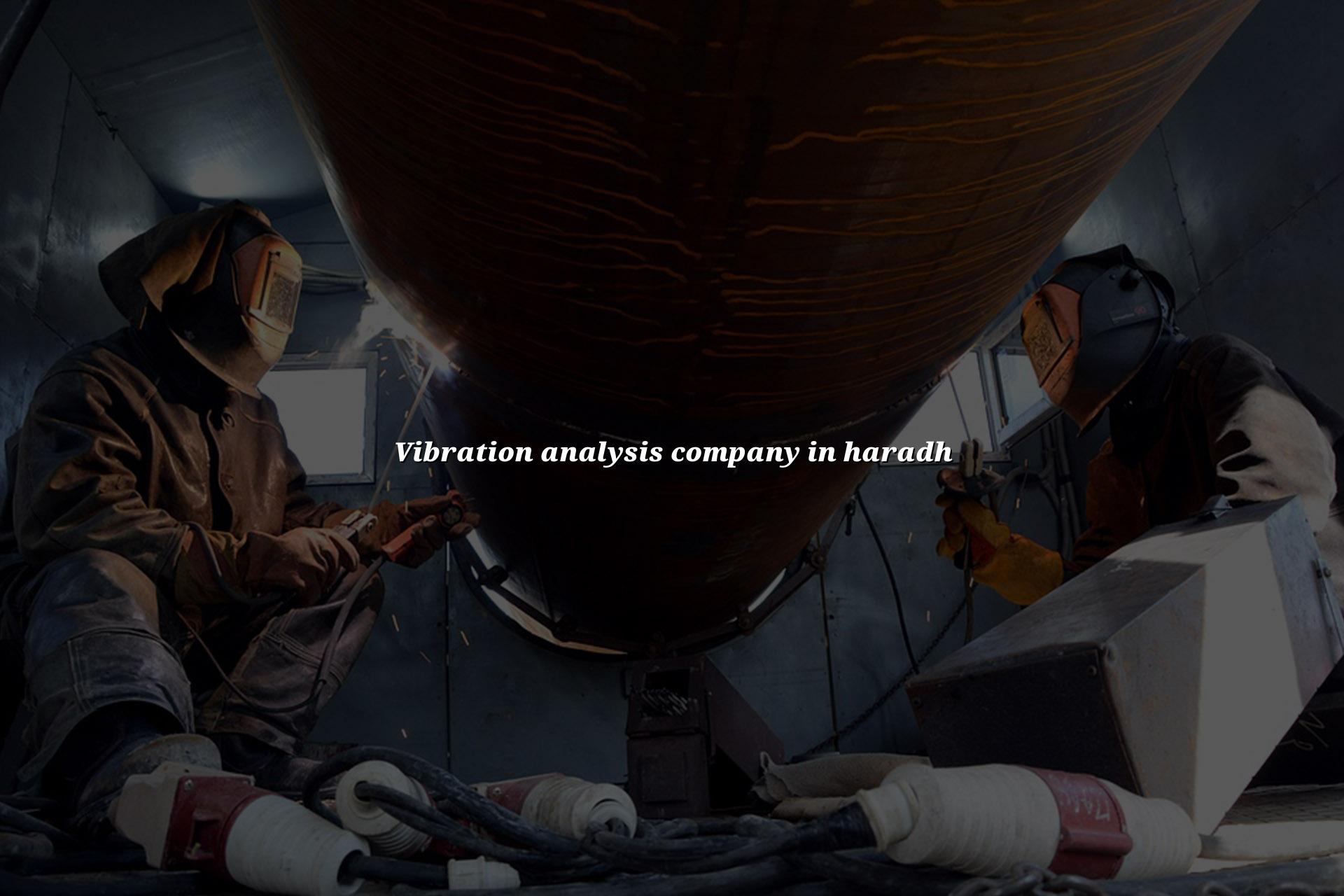
Vibration analysis company in Haradh support should do one thing well: tell you what your rotating equipment is trying to say before a bearing, coupling or foundation problem turns into a stoppage. That’s the value we bring to maintenance teams who need clear fault findings, not a stack of vague charts.
Our work fits real operating sites in Haradh and the wider Eastern Province supply chain, where pumps, motors, fans, compressors and auxiliary drives run under pressure every day. We use condition monitoring methods that help you spot imbalance, misalignment, looseness and developing bearing trouble early, then decide what to fix and what can keep running.
What a Vibration Analysis Company in Haradh Should Deliver
A proper vibration program is not just a sensor check. We look at the machine, the duty, the mounting, the history and the reading pattern together, then interpret what the data means for your team on the ground. For rotating assets in oil and gas, petrochemical, power and manufacturing plants, that usually means looking for frequency signatures tied to imbalance, angular or parallel misalignment, mechanical looseness, resonance, belt issues and rolling-element bearing distress.
How we read the machine, not just the spectrum
Our engineers pay attention to operating speed, load change and where the vibration is strongest on the casing. A motor with a rising overall level and a narrow peak at running speed tells a different story from a pump with sideband activity or a gearbox showing mesh-related changes. That kind of practical reading matters in Haradh, where one machine can feed another and a small defect can spread across a line.
Why site context changes the diagnosis
Temperature, base condition, pipe strain, soft foot and maintenance history all affect the result. We have seen the same pump behave differently after a skid realignment, a foundation correction or a coupling change, so we never treat the plot as a standalone answer. In our experience, the best reports are the ones that tell the maintenance lead what to inspect first, what to verify next and which asset deserves attention before the next production run.
- Confirm the asset and operating condition — we record the equipment tag, speed, load and any abnormal sound or heat you’ve noticed.
- Measure at the correct points — readings are taken in repeatable directions so today’s data can be compared with the last visit.
- Review the pattern — we compare overall vibration, spectrum shape and trend changes to isolate likely fault types.
- Issue a clear action note — you get practical next steps such as inspect coupling alignment, check bearings, verify looseness or plan shutdown repair.
- Useful for pumps, motors, compressors, blowers and gear-driven equipment.
- Helps maintenance teams choose between immediate repair and monitored operation.
- Supports planned shutdown work instead of emergency work.
- Works best when readings are repeated at the same points each visit.
Common Vibration Findings and What They Usually Point To
| Reading pattern | Likely field clue | Typical next check |
|---|---|---|
| High running-speed peak | Imbalance, dirt build-up or coupling issue | Inspect rotor condition and balance, then verify alignment |
| Two times running speed rise | Misalignment or looseness | Check base bolts, soft foot and shaft alignment |
| Broadband noise with bearing tones | Developing bearing wear | Review lubrication, temperature and bearing condition |
| Gear mesh changes or sidebands | Gear wear, backlash or load variation | Inspect teeth, oil condition and drive loading |
Why Haradh Plants Use Vibration Analysis Early
Most shutdowns don’t begin with a dramatic failure. They start as a small change that can be caught if you’re checking the machine often enough and reading the data properly. That is why vibration analysis is so useful for process sites, utility systems and packaged equipment where a warning today can save a maintenance scramble later.
Where it helps most
We see strong value on pump sets, cooling fans, air compressors, motor-driven skids, process auxiliaries and gearboxes tied to continuous production. For Haradh operations supporting oil and gas, petrochemical, power and cold-chain assets, the benefit is simple: fewer surprises, better planning and more confidence before you release a machine back into service.
Field data that leads to action
We don’t just hand over numbers. We give maintenance teams a practical view of what changed, what it likely means, and where the next inspection should start so your crew can act with a reason, not a guess.
Vibration Analysis Methods We Use on Site
Trend comparison
We compare new readings with earlier visits so you can see if a machine is stable, drifting or changing fast. That trend view is often the first clue that a bearing, coupling or support issue is developing.
Frequency analysis
Spectrum details help separate imbalance from misalignment and looseness. That matters when the symptoms look similar on the floor but need very different repairs in the workshop.
Fault diagnosis
We combine the readings with visual checks and operating notes, then write the finding in plain language. You get a maintenance-led explanation, not a lab note that nobody wants to decode.
How Mayon Industrial Services Can Help
We support Haradh and wider Saudi industrial sites with vibration analysis, laser shaft alignment, infrared thermography and related condition monitoring work. If the issue needs more than diagnostics, our team can also help with mechanical services, electrical testing and commissioning, inspection, orbital welding, repair and maintenance, or lab setup for plants that need better in-house control.
Call +91 99447 80844 (India) or +966 59 633 8012 (Saudi Arabia), email services@mayonservices.com, or message us on WhatsApp.
Frequently Asked Questions
We check the machine’s vibration levels, frequency pattern and trend history, then compare that with the equipment type and what it’s doing on site. That helps identify likely issues such as imbalance, misalignment, looseness or bearing wear. The goal is a practical maintenance call, not just a reading sheet.
Yes, it often can. Early bearing wear usually shows up as changes in the spectrum, noise floor or overall vibration before the bearing gets noisy enough for everyone to hear. That early signal gives your team time to plan the repair instead of reacting to a breakdown.
Definitely. Pumps and motors are some of the most common assets we see on continuous-duty sites, and they usually show clear patterns when something is off. A regular check helps maintenance teams in Haradh, Dammam and other Saudi industrial areas keep critical equipment under control.
The right interval depends on how critical the machine is, how hard it runs and whether it has a history of trouble. On critical assets, readings are usually repeated often enough to show a trend, not just a one-time snapshot. If the machine supports production directly, regular trending matters more than a single visit.
Yes, we do. Onsite checks are the best fit when the machine can’t be moved, when the issue appears only under load, or when the site wants a quick field diagnosis. That setup works well for plants that need decisions made around real operating conditions.
What You Should Expect After the Visit
After a vibration visit, you should be able to explain the machine status to your supervisor without rewriting the report. That’s how we write ours. We keep the language direct and the findings tied to the equipment you actually run, so it’s easier for your planner, supervisor and contractor to act on the same page.
Useful detail in every report
We include the equipment location, observed condition, likely fault area and recommended next check. If the situation calls for follow-up services, our team can support alignment, mechanical repair, electrical testing or inspection work using the same industrial standards mindset.
For teams that need answers
If your maintenance crew wants straight talk about what’s changing and what to do next, that’s exactly the kind of support we provide for Haradh and nearby Saudi sites.
Ready to check the machine before it checks out?
If you need vibration analysis in Haradh, speak with Mayon Industrial Services and get a practical field view of your rotating equipment.
Contact MayonWhen you need a vibration analysis company in Haradh, you want a team that can read the machine, not just the meter. Mayon Industrial Services brings that field mindset, along with condition monitoring and engineering support that fits real industrial work in Saudi Arabia and the Middle East.
We’re ready when your site needs a clear diagnosis, a sensible next step and a partner who understands the pressure of keeping equipment online.