
Vibration Analysis Company in Khafji
Get practical vibration checks for rotating equipment, pumps and drives used in Khafji industrial work.
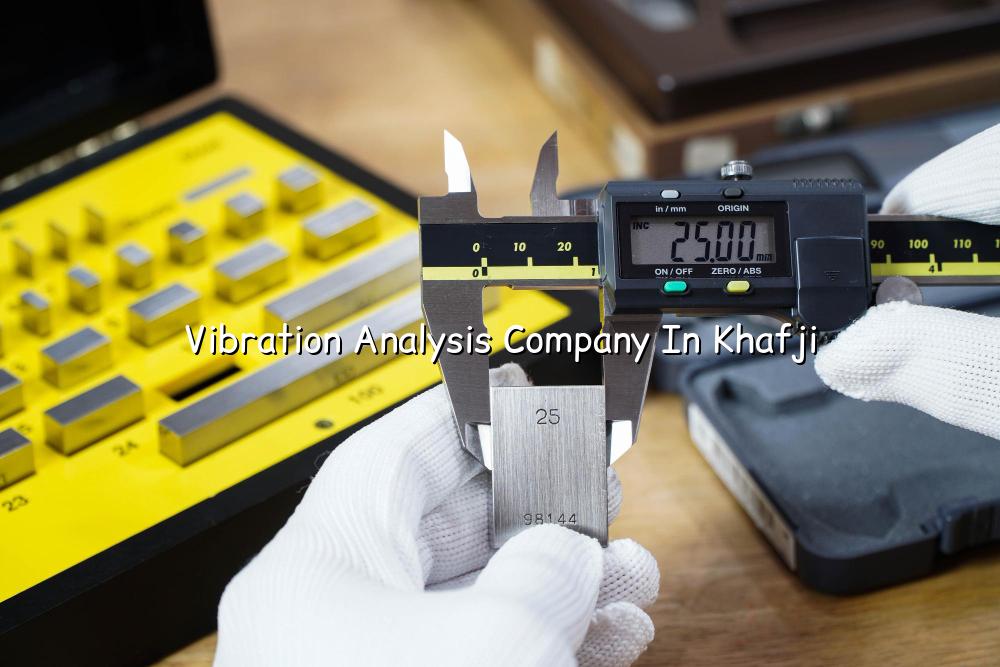
Vibration analysis company in Khafji support is what you need when a pump starts sounding rough, a fan shows rising readings, or a drive train keeps eating bearings. We help you spot the fault before it turns into a stoppage, so your maintenance team can act with evidence instead of guesswork.
For plant teams in Khafji, that usually means rotating equipment on process skids, utilities, compressors and water-handling systems. Our work fits the way industrial sites actually run in Saudi Arabia and the wider Eastern Province: planned shutdowns, tight access, and a real need for clean findings that maintenance can trust.
Why vibration analysis matters in Khafji plants
When equipment runs with imbalance, misalignment, looseness or bearing wear, the machine usually tells you long before it fails. The trick is hearing it clearly. That is where vibration analysis helps. We look at the actual machine condition, then turn the readings into fault paths that maintenance teams can use during inspections, overhaul planning and shutdown preparation.
What we look for on site
Most jobs start with a baseline and a walkdown. We check machine speed, mounting condition, coupling alignment, bearing health and how the vibration behaves under normal load. On rotating equipment in Khafji, that often includes pumps, motors, blowers, gearboxes and auxiliary drives. We also watch for changes after repairs, because a machine that was “fixed” but still shows the same pattern usually has a setup issue.
How the findings help your team
The value is not in a single reading. It is in the diagnosis. A maintenance manager wants to know if the machine can keep running, what likely caused the rise, and what to check first. We package the findings so your team can decide whether to schedule alignment, bearing replacement, balancing or a deeper mechanical inspection. That keeps the conversation practical.
- Baseline the machine — we record operating speed, mounting condition and present vibration levels before comparing against future checks.
- Measure at the right points — readings are taken at bearing housings, drive ends and other locations that show real machine behaviour.
- Compare patterns — we look for imbalance, misalignment, looseness and bearing signatures rather than treating every spike the same way.
- Recommend the next action — you get a clear maintenance path, such as alignment, inspection, balancing or follow-up monitoring.
- Useful for pumps, motors, fans, compressors and gearboxes.
- Helps catch looseness and bearing wear before secondary damage spreads.
- Supports planned shutdowns instead of unplanned stoppages.
- Gives maintenance teams findings they can act on quickly.
Typical vibration signs and what they usually point to
| Vibration pattern | What it may indicate | What maintenance teams often check next |
|---|---|---|
| High 1× running speed | Possible imbalance or dirt build-up on a rotor | Cleaning, balancing and rotor condition checks |
| High axial vibration | Possible coupling or shaft alignment issue | Laser alignment and coupling inspection |
| Broadband noise with looseness | Mechanical looseness, weak foundation or soft foot | Bolt condition, base plate and mount checks |
| Bearing frequency peaks | Early bearing damage or lubrication trouble | Bearing inspection, lubrication review and trend follow-up |
What makes a good vibration program in Khafji?
A good program is steady, repeatable and tied to your plant conditions. We do not just hand over a chart and leave. We look at how the machine is installed, whether it runs continuously or in cycles, and whether previous repairs changed the vibration pattern. That matters in oil and gas, petrochemical and utility work where one bad alignment can come back fast.
Trending beats one-off readings
In our experience, the second or third visit is where the picture gets clearer. A single reading can show a problem, but trends show how fast it is moving and whether the fault is stable. That is especially useful for critical equipment that you want to keep under watch until the next planned outage. It also helps you avoid unnecessary strip-downs.
Built for real operating sites
Khafji jobs often need work around live operations, tight access and changing permits. Our team is used to that kind of site rhythm, and we can combine vibration analysis with laser shaft alignment, infrared thermography or condition monitoring support when the machine needs a broader look.
Where vibration analysis fits with other maintenance work
Vibration analysis works best when it is paired with the rest of the maintenance toolkit. If a pump shows a misalignment pattern, laser shaft alignment is the obvious next step. If readings point to looseness, mechanical checks make sense. If heat appears alongside vibration, thermography can show whether the issue is bearing friction, electrical stress or something else. We often see the best results when teams combine these methods instead of treating each one in isolation.
That matters for industrial sites in Khafji because downtime costs grow quickly when a fault is misread. The goal is not just to “check vibration.” It is to decide which equipment should stay online, which one needs attention during the next stop, and which problem can wait with monitoring. Clear reporting helps procurement, operations and maintenance stay on the same page.
How Mayon Industrial Services Can Help
We support vibration analysis as part of a wider industrial service set, so you can bring us in for condition monitoring, laser shaft alignment, mechanical inspections and repair support when the same job needs more than one skill. Our team works across Saudi Arabia, including Khafji and Dammam Industrial City 2, and we also serve clients from our India base in Chennai. If you need a practical maintenance partner that understands plant work, get in touch and we’ll talk through the machine and the site situation.
Call +91 99447 80844 (India) or +966 59 633 8012 (Saudi Arabia), email services@mayonservices.com, or message us on WhatsApp.
Frequently Asked Questions
Any site running rotating equipment can benefit, especially oil and gas, utilities, petrochemical and water systems. If you have pumps, motors, fans, compressors or gearboxes that matter to production, vibration analysis gives you early warning before a breakdown becomes a stop-start issue.
It can point to imbalance, misalignment, looseness, bearing wear and some gear-related faults. The exact answer depends on the machine speed, the mounting and the operating condition, so we always look at the pattern rather than a single number.
Yes. Onsite work is usually the best option because the machine is tested in its real operating condition. That helps us see how the equipment behaves under load, which is often where the useful clues show up.
That depends on how critical the machine is and how stable it has been. Some assets only need periodic checks, while others deserve tighter trending after a repair or after a fault appears. We usually recommend a frequency that matches the risk and the duty of the machine.
We do, and that is often the smartest route. If the issue points to alignment, we can support laser shaft alignment. If mechanical looseness or thermal stress is part of the picture, we can bring in inspection, thermography or related maintenance work so you get the full story.
Need clear answers on machine vibration?
Send us the equipment details, and we’ll help you decide the next maintenance step with practical field support.
Contact Mayon