
Weighing Scale Calibration Company in Dammam
Onsite and in-lab scale calibration for plants, warehouses, labs, and production lines in Dammam and the Eastern Province.
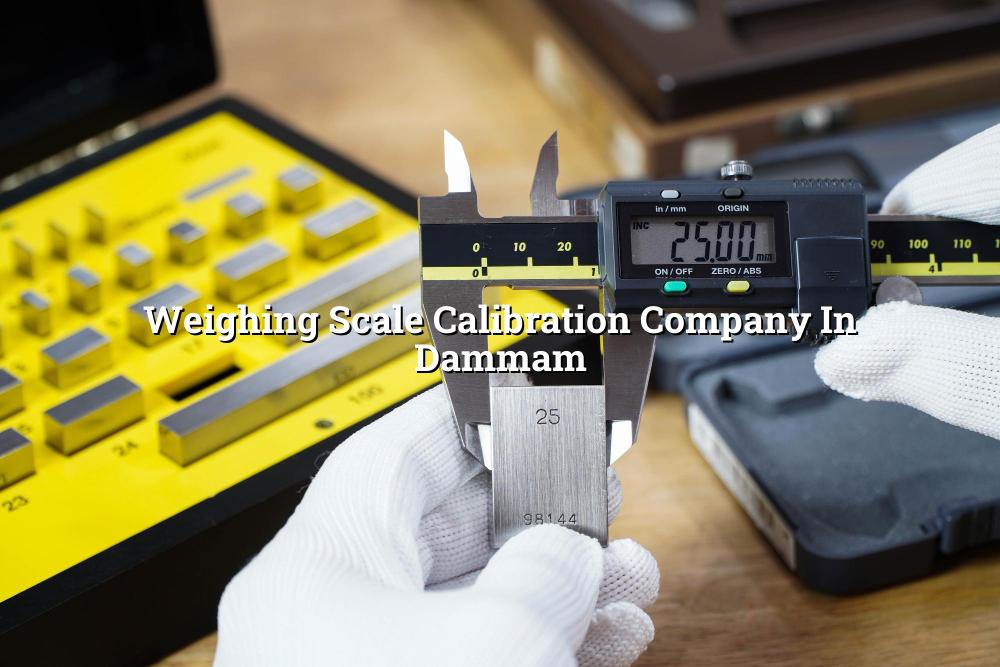
Weighing scale calibration company in Dammam is the search most plant teams make when a floor scale starts drifting, a bench scale fails a process check, or a receiving bay needs traceable records for audit day. We help you keep measurements steady, defensible, and fit for use.
Our work supports production lines, warehouses, laboratories, cold-chain sites, and maintenance teams across Dammam Industrial City 2, the Eastern Province, and the wider GCC. With onsite calibration, a controlled in-house lab, and pickup and delivery for instruments that need special handling, we keep the process practical as well as technical.
Weighing scale calibration company in Dammam for industrial use
Most enquiries are not about one scale. They’re about a site full of equipment: pallet scales, platform scales, precision balances, tank and hopper systems, and checkweighers that all need to stay aligned with actual process loads. In Saudi Arabia, that usually means traceability, clear records, and a team that can work around shift patterns without slowing operations.
What we check during a scale visit
We look at repeatability, indication, zero return, eccentric loading, and the condition of the load cells and mounting points where the application allows it. For customers in food, pharma, and logistics, that often matters more than a basic pass/fail result because the scale has to behave properly under real use, not only at one test point.
Onsite work or lab calibration?
Onsite calibration is the better fit for large, fixed, or production-critical scales, especially where removing the unit would stop work. Smaller instruments, sensitive balances, and units that need controlled conditions can come to our temperature-controlled lab. If handling is a concern, we can arrange pickup and delivery so the instrument stays protected end to end.
- Log the instrument details — share the make, model, capacity, readability, and where the scale is installed.
- Check the application — we confirm whether the unit is used for receiving, batching, packaging, QA, or internal process control.
- Plan the method — onsite calibration, in-lab work, or a mixed route based on the site and the instrument.
- Perform the tests — we verify performance using suitable reference standards and document the findings clearly.
- Traceable calibration suited to industrial weighing and quality checks
- Support for floor scales, bench scales, balances, and process weighing systems
- Onsite service for factories, warehouses, and project sites in Dammam
- Controlled in-house lab for instruments that need stable conditions
- Clear certificates for QA, procurement, and audit files
Typical weighing scale calibration choices in Dammam
| Scale type | Typical use | Best service route |
|---|---|---|
| Floor and platform scales | Receiving, packing, dispatch, and material movement | Onsite calibration at the plant or warehouse |
| Bench scales | Small-batch weighing, QA checks, and prep areas | Onsite or in-lab depending on access and condition |
| Precision balances | Laboratory and formulation work | In-lab calibration for stable environmental control |
| Process weighing systems | Batching, filling, and tank or hopper monitoring | Onsite calibration with application-specific checks |
Why traceability matters in Saudi industry
In Dammam, many buyers are dealing with oil & gas, petrochemical, power, manufacturing, cold chain, and food operations. Those sites usually need records that stand up to internal QA checks, customer reviews, and ISO-based audits. That is where ISO/IEC 17025:2017 discipline helps: it keeps the work structured, traceable, and easy to defend.
What good records should show
You want the calibration date, instrument identity, test points used, observed results, and the status decision presented in a way your team can file fast. If a scale is borderline, the report should make the condition plain so maintenance can act on it before the next batch, shipment, or inspection round.
Made for busy sites
We often work around production windows, warehouse inbound peaks, and maintenance shutdowns. That keeps the scale out of the way for less time, while still giving your team the evidence they need for QA and procurement files.
Common reasons scales drift or fail checks
We see the same patterns again and again: a scale placed on an uneven base, a forklift bump that shifts the platform, dust or moisture around the load cell area, and zeroing habits that hide the real problem for a while. Sometimes the issue is simple wear. Sometimes the instrument is fine, but the installation is not.
That is why calibration alone is not the whole story. If the scale sits in a vibrating zone near a compressor room, or if operators keep loading the platform off-center, the result can wander even after a valid calibration. The fix may include recalibration, mechanical checks, and a better mounting or usage routine.
For checkweighing or batch work, the tolerance band matters as much as the reading itself. If you are filling bags, drums, cartons, or process vessels, a small bias can turn into scrap, complaint calls, or a rejected delivery. That is why many teams ask us to look at the full weighing setup, not just the scale body.
We can also support related work through condition monitoring, mechanical services, and repair and maintenance when the issue points beyond calibration. That makes the service more useful for plant managers who want one technical partner instead of three or four separate vendors.
How Mayon Industrial Services Can Help
We support weighing scale calibration with ISO/IEC 17025:2017 discipline, onsite visits, and controlled in-house work for instruments that need better conditions. If your site in Dammam needs help with floor scales, balances, process weighing, or a wider maintenance issue around the weighing station, our team can map the job and plan the right route.
Call +91 99447 80844 (India) or +966 59 633 8012 (Saudi Arabia), email services@mayonservices.com, or message us on WhatsApp.
Frequently Asked Questions
You can work with Mayon Industrial Services in Dammam Industrial City 2 through our Saudi operation. We handle onsite calibration for industrial scales and also support instruments that are better suited to controlled lab conditions. If you want a quick start, send the scale details and the site location.
Yes, we do. Onsite work is usually the best choice for floor scales, platform scales, and process weighing systems because removing them can stop operations. We bring the right setup, test the scale in place, and document the result for your QA file.
You normally receive a calibration record or certificate that shows the instrument identity, the date, the test results, and the status decision. That helps when your team needs evidence for internal audits, customer checks, or quality system files. We keep the format practical for engineering and procurement teams.
Yes. If a scale drifts again soon after calibration, the issue is often installation, vibration, loading practice, or a mechanical fault around the platform or load cells. We can look at the full setup and, if needed, connect the job to mechanical services or repair and maintenance.
We serve Dammam and the wider Saudi Arabian market from our local operation, and we also support India and the Middle East. Many of our jobs are in industrial zones, warehouses, project sites, and manufacturing plants where traceable weighing matters every day. If your team is based in the Eastern Province, we can plan from there.
Need reliable scale calibration in Dammam?
Send us the scale type, location, and use case, and we’ll help you choose the right onsite or lab route.
Contact MayonWhen you need a weighing scale calibration company in Dammam, you want more than a certificate. You want a partner who understands plant pressure, audit expectations, and the real way scales behave on site. That is the role we fill at Mayon Industrial Services.