
Weighing Scale Calibration Company in Ras Al Khair
Onsite and in-lab calibration support for industrial weighing systems used in Ras Al Khair facilities.
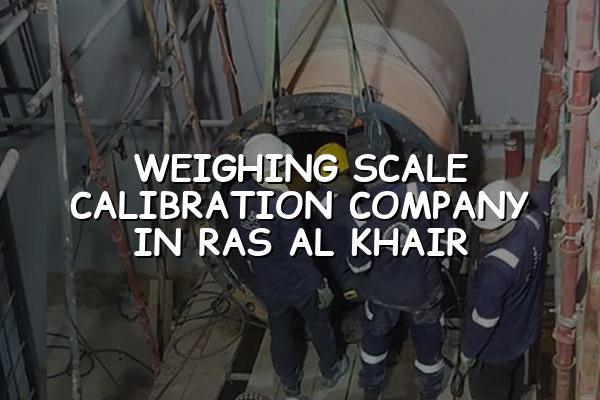
Weighing scale calibration company in Ras Al Khair searches usually come from teams that need answers before a shipment, batch, or audit slips. We help you keep platform scales, bench scales, and process weighing systems within traceable limits, so your numbers stand up in daily work and in formal checks.
Our team works with industrial sites across Saudi Arabia, including Ras Al Khair, where weighing accuracy matters for production, receiving, dispatch, maintenance stores, and quality control. We use the same practical approach we bring to ISO/IEC 17025:2017 calibration work in India and the Middle East: proper setup, traceable checks, clear reporting, and no guesswork on site.
Why a weighing scale calibration company in Ras Al Khair matters
In Ras Al Khair, a weighing error is rarely just a number on a display. It can affect raw-material issue, load-out records, incoming inspection, and the trust your supervisors place in the reading. When a site calls us, the common issue is not that the scale has stopped working. It is that the reading has drifted enough to create doubt, and doubt costs time.
What gets checked during calibration
We verify performance across the load range, not only at one point near the middle. That usually means checking repeatability, linearity, eccentric loading, zero return, and the general condition of the indicator, load cells, platform, and wiring where accessible. If the instrument is used for dispatch or production control, we look for the practical issues that cause day-to-day variation, such as an uneven base, damaged feet, unstable power, or a platform that has shifted after vibration and movement.
Why the site setup matters
Industrial weighing equipment in Ras Al Khair often sits near dust, vibration, forklifts, and changing temperatures. A scale that looks fine in the morning can behave differently after a full shift. That is why we keep the field setup realistic. If a scale is used under process conditions, we try to test it in the same kind of environment instead of assuming a clean lab bench tells the whole story.
- Identify the weighing use — confirm whether the scale is for receiving, batching, dispatch, inventory, or QA checks.
- Inspect the installation — look at leveling, platform condition, cables, indicator health, and obvious mechanical damage.
- Perform traceable verification — compare readings with suitable standards and record results across the operating range.
- Review and label — share the result, note any deviations, and mark the unit so operators know its current status.
- Use calibration intervals that match how hard the scale works, not just the calendar.
- Keep the platform clear of trapped debris under the load cell area.
- Check zero before every critical batch or dispatch run.
- Recheck after moving the scale, changing the floor, or replacing a load cell.
- Ask for traceable documentation if the reading feeds QA records or audits.
Common weighing equipment and what we usually verify
| Equipment type | Typical use in Ras Al Khair | Key checks during calibration |
|---|---|---|
| Platform scale | Receiving, dispatch, and warehouse control | Load response, repeatability, level condition, zero return |
| Bench scale | QA rooms, packing, spare parts, small components | Linearity, display stability, eccentric loading, tare function |
| Floor scale | Pallet weighing and production staging | Corner performance, platform alignment, load cell condition |
| Process weighing system | Batching, filling, blending, and dosing | Signal stability, drift, range checks, installation effects |
What you gain from proper weighing scale calibration
Good calibration does more than satisfy a checklist. It helps your team catch slow drift before it turns into rejected batches, inaccurate stock movement, or arguments over a delivery note. For plants that deal with steel, fertiliser, food packaging, or maintenance stores, that kind of control saves real time because people stop second-guessing the display.
Records that your team can actually use
We keep the paperwork practical. You get a result you can file, show during internal review, and use when planning the next service. If the instrument needs adjustment or further repair, we say so clearly. No dramatic language, just the facts your QA or maintenance lead needs to decide the next step.
Why Ras Al Khair sites call us
Most callers need a partner who can handle field work, bring the right equipment, and stay calm around production schedules. That is where our mobile calibration lab and in-house capability help. We can work onsite when the installation needs it, and we can also collect instruments for controlled lab work when the condition or sensitivity calls for that route.
How we handle calibration requests from industrial clients
When you ask for a weighing scale calibration company in Ras Al Khair, you usually want a team that can keep the job simple. We start by understanding the scale type, capacity, access conditions, and whether the work needs to happen during a shutdown, a maintenance window, or normal site activity. That matters because a platform scale in a warehouse behaves differently from a process scale feeding a production line.
Our approach fits industrial environments across Saudi Arabia and the wider Middle East. We support sites that need onsite calibration for installed equipment, and we also help with instruments that travel better when they are removed from vibration, dust, or exposure. The goal is the same either way: a result you can trust without overcomplicating the job.
When onsite service makes the most sense
Onsite work is the better choice when the scale is fixed, heavy, tied into a process, or difficult to move without risking damage or downtime. It is also useful when the installation itself affects performance. In those cases, testing the unit where it lives gives a clearer picture of what operators are seeing every day.
When controlled lab work helps
Some instruments need a quieter setting, especially when there are special handling needs or the condition of the unit has to be reviewed carefully. Our temperature-controlled in-house laboratory helps with that. It gives us a stable environment for precise work, while our pickup and delivery option helps move special instruments safely when onsite testing is not the best fit.
- Suitable for industrial weighing systems used in receiving and dispatch.
- Helpful when the floor, vibration, or installation affects the reading.
- Supports traceability expected by QA and procurement teams.
- Works with our ISO/IEC 17025:2017 calibration capability and field equipment.
How Mayon Industrial Services Can Help
We handle weighing systems as part of a wider industrial support scope, so you can bring us calibration work, inspection needs, mechanical site issues, or setup support in the same conversation. That helps when a Ras Al Khair site has more than one problem to solve, and it keeps the handover between departments cleaner. If you need a field-ready team for scales, instruments, or related equipment, send us the details and we’ll take it from there.
Call +91 99447 80844 (India) or +966 59 633 8012 (Saudi Arabia), email services@mayonservices.com, or message us on WhatsApp.
Frequently Asked Questions
Honestly, it depends on how hard the scale works. A scale used for daily dispatch or batching usually needs a tighter review schedule than one used only for occasional checks. We suggest setting the interval based on use, environment, and how much drift you can tolerate in your process records.
Yes, for many installed scales we can work onsite. That is usually the best route for platform scales, floor scales, and process weighing systems that are difficult to move or that need to be checked in their working position. If the unit needs a controlled environment, we can discuss pickup and delivery instead.
You get a calibration result that you can keep with your QA or maintenance file. The report should show the instrument details, the checks performed, and the measured results so your team can review the status later. If your internal system needs specific labeling or referencing, tell us before the job starts.
We support common industrial weighing equipment such as platform scales, bench scales, floor scales, and process weighing systems. If you have a special installation or a scale tied into a production line, send the details and we’ll tell you the best way to handle it. The more we know about the application, the better the job plan.
Yes, we serve clients across India, Saudi Arabia, and the Middle East. Our head office is in Medavakkam, Chennai, and we also operate from Dammam Industrial City 2 in Saudi Arabia through our local business channel. That lets us support industrial clients in both markets with a practical field setup.
Ready to put your weighing results back on firm ground?
Send us the scale type, location, and working condition, and we’ll help you plan the right calibration approach for your site.
Contact Mayon