
Weighing Scale Calibration Company in Turaif
Traceable calibration support for plants, warehouses and maintenance teams working in Turaif and the northern Saudi industrial belt.
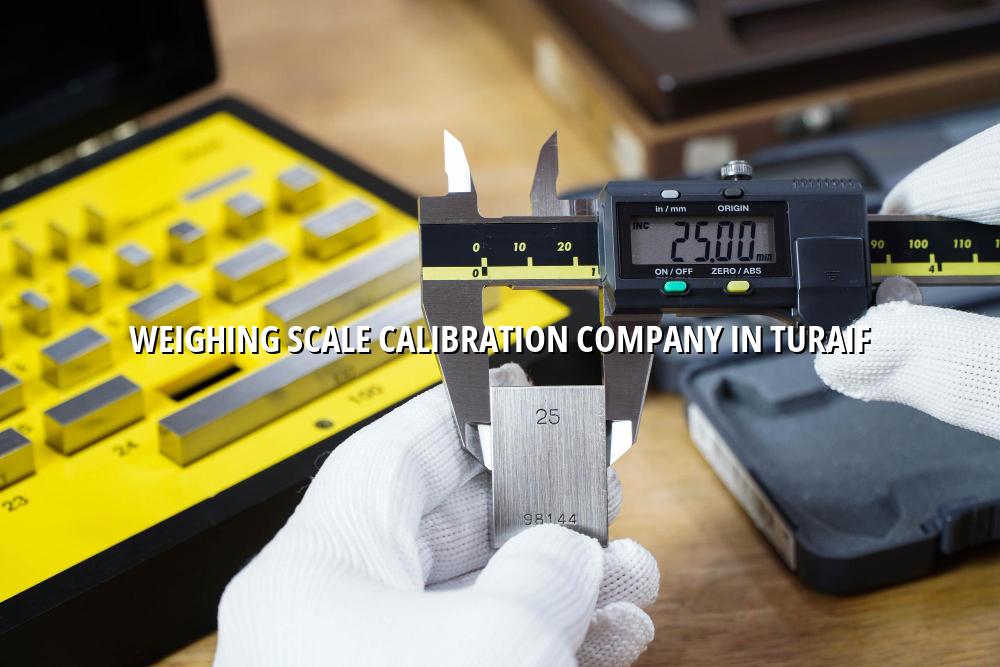
Weighing scale calibration company in Turaif is the search most teams make when a platform scale starts drifting, a receipt printer shows inconsistent loads, or audit documents need a clean traceable trail. We help you get the numbers back in line so production, dispatch and receiving can keep moving without guesswork.
From stores rooms and logistics yards to food, construction and industrial maintenance sites, our work is built around practical calibration control. We handle onsite and lab calibration for weighing instruments used across Saudi Arabia, with mobile-lab support where the installation is large, fixed or too sensitive to shift.
Why a weighing scale calibration company in Turaif matters
In Turaif, a small error on a bench scale can turn into a bigger problem once it reaches batch filling, dispatch counts or inventory reconciliation. Our calibration work is aimed at the jobs that really matter: checking repeatability, confirming linear response, looking at eccentric loading effects and documenting the result in a way your QA or maintenance file can stand behind. We work to ISO/IEC 17025:2017 methods where the scope fits the instrument, and we keep the process readable for engineers who have to defend the data later.
What we check during a calibration visit
Every site has its own pattern. A warehouse scale may need checks across the low end because cartons are light, while a tanker or process scale may be more concerned with mid-span performance and load recovery. We also look at the environment around the instrument, because vibration, floor condition, vibration from nearby equipment and poor installation can spoil a good scale faster than people expect.
When onsite service is the better call
If the scale is bolted down, wired into a process, or part of a cold-chain or logistics operation, moving it just to calibrate it can create more downtime than the check itself. That is where our mobile calibration lab helps. It lets us bring the setup to you in Saudi Arabia and handle the work without disturbing daily operations, which is usually the practical choice for plants and depots around Turaif and nearby industrial areas.
- Confirm the instrument type — we identify whether the job is for a bench scale, platform scale, industrial floor scale or a special application unit.
- Inspect the installation — the team checks level, cleanliness, surrounding vibration and obvious mechanical issues before any readings are taken.
- Run performance points — we test across the relevant load range to see how the scale behaves at light, medium and heavier loads.
- Record and label — the result is documented for your file, and the instrument status is made clear for the user on site.
- Use traceable test weights and keep them clean and verified before the job starts.
- Check zero return after every major load point; drifting zero often tells the real story.
- Keep scales away from doors, fans and forklift impact zones where possible.
- Plan calibration before audit season, not after a nonconformance lands on your desk.
- Recheck any scale used for billing, batch control or acceptance work after relocation.
Typical weighing scale checks and site considerations
| Scale type | Common use | What we focus on |
|---|---|---|
| Bench scale | Parts counting, packing, small-batch filling | Repeatability, zero stability, readability under daily use |
| Platform scale | Dispatch, stores, inbound receiving | Corner loading, level condition, load recovery |
| Floor scale | Pallet loads, production movement, warehouse control | Mechanical condition, load cell response, installation checks |
| Process scale | Batching and line control | System behavior, signal consistency, integration with operations |
How calibration protects day-to-day operations
When a scale is out by even a small amount, the effect shows up in the places people notice late: short shipment disputes, rejected batches, stock variances and awkward audit questions. A good calibration record gives your team a sensible starting point for maintenance, and it helps procurement or QA decide whether the instrument needs adjustment, repair or replacement. In our experience, most repeated scale issues come from installation problems, worn load cells, physical shock or people moving the equipment without a follow-up check.
Signs the scale needs attention
If the display takes time to settle, the zero wanders after a load is removed, or the same test load gives you different results through the day, don't leave it alone. That is the point where you call for inspection and calibration before the issue spreads into records and product control. For sensitive work in pharmaceutical, food and cold-chain sites, that call is even earlier because the tolerance window is usually tighter.
Built for industrial sites in Saudi Arabia
We support clients in Turaif and across Saudi Arabia from Dammam Industrial City 2, with work suited to warehouses, workshops, maintenance yards and process areas. That matters when you need practical service for a scale that cannot be shifted easily or where downtime hurts the shift plan.
How Mayon Industrial Services Can Help
We calibrate weighing systems alongside our wider industrial service work, so you can keep one partner for instruments, maintenance support and site issues that don’t fit neatly into a single box. Our team also handles inspection, mechanical services, repair and maintenance, which is useful when the scale problem is really a floor, mount or process issue rather than the indicator itself. If you need a weighing scale calibration company in Turaif that can work onsite, manage traceable documentation and understand real industrial schedules, we’re ready to help.
Call +91 99447 80844 (India) or +966 59 633 8012 (Saudi Arabia), email services@mayonservices.com, or message us on WhatsApp.
Frequently Asked Questions
That depends on use, environment and how critical the measurement is. A scale used for dispatch or billing usually needs a tighter control plan than one used for rough internal counting. We normally recommend aligning calibration with your quality schedule and any audit or customer requirement you already work to.
Yes, onsite calibration is often the right choice for fixed or heavy scales. It avoids the risk of moving the instrument and lets us see the real operating condition, including floor level, nearby vibration and workflow impacts. If special handling is needed, we can use the mobile calibration lab setup.
You get calibration documentation that records the instrument details, checks performed and result status. For work under our ISO/IEC 17025:2017 scope, the record is structured to support traceability and internal QA use. That helps when you need to show maintenance history or answer an audit question later.
Moving a scale can change the level condition, the support points or the way the load cells sit on the floor. Even a small shift can alter the readings enough to matter in production. If the instrument was relocated, a follow-up calibration or verification check is the sensible next step.
Yes, those are common jobs for us. We support warehouse and logistics teams that need stable weighing for receiving, dispatch and pallet movement. The focus is not only the reading itself, but also the installation condition and how the scale behaves under real site loading.
Ready to put your scale readings back under control?
If your Turaif site needs traceable weighing scale calibration, send us the details and we’ll help you plan the right visit.
Contact Mayon