
Weighing Scale Calibration Company in Zulfi
Traceable weighing support for plants, warehouses and process lines in Zulfi and the wider Saudi industrial corridor.
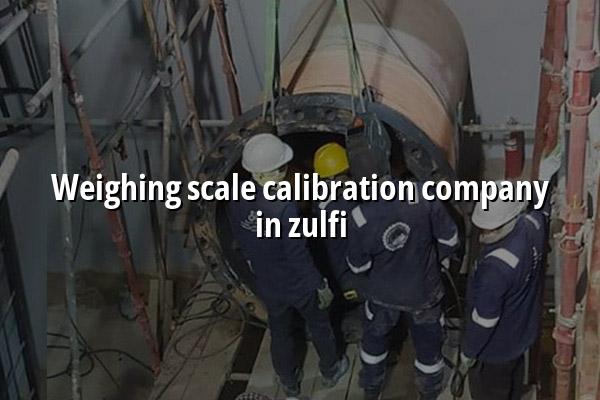
Weighing scale calibration company in Zulfi is what plant teams usually search for when the numbers on a platform scale, bench scale or tank system have to be trusted. If your receiving bay, packing line or warehouse depends on accurate weight readings, this page shows how we handle verification, traceability and practical onsite work.
We work with industrial sites across Saudi Arabia from Dammam Industrial City 2, and Zulfi is a familiar type of assignment for us: real equipment, real production pressure, and little room for guesswork. Our team supports food, manufacturing, cold chain, logistics and maintenance teams that need calibration records aligned with ISO/IEC 17025:2017 expectations.
Weighing Scale Calibration in Zulfi for daily operations
When a weighing system drifts, the damage is rarely dramatic at first. A few grams on a bench scale, a small offset on a floor scale, or an unstable reading on a batching line can lead to rejected loads, inventory disputes, poor batch control and avoidable rework. Weighing scale calibration is how you check the scale against known standards, document the deviation and bring the result back into a range your team can defend in audits and internal checks.
Where the checks matter most
In Zulfi and nearby Saudi industrial sites, we see the same pattern again and again. Warehouse teams want confidence in dispatch weights. Production teams need stable batch quantities. QA managers want records that stand up during supplier reviews. We handle digital and mechanical weighing instruments, from small bench units in a clean packing area to heavier industrial scales used beside forklifts, drums and pallets.
Why onsite work saves time
Not every scale should leave the site. Some units are bolted in, some are part of a process line, and some are too sensitive to move without upsetting the setup. Our mobile calibration lab helps us work onsite with the right tools and traceable reference standards. If a scale needs special handling, we can also arrange pick-up and delivery through our in-house laboratory in a controlled environment.
- Check the installation — we look at levelling, foundation stability, loading area condition and whether the scale is free from obstruction.
- Confirm the reading points — zero, mid-range and near-capacity checks show how the scale behaves across its working span.
- Compare against traceable references — the results are measured against controlled standards so the deviation is clear and documented.
- Record the outcome and status — you receive a practical result that shows pass, adjustment needed, or repair follow-up if the instrument is not stable.
- Suitable for platform scales, bench scales, floor scales and process weighing systems
- Useful for receiving, dispatch, batching and inventory control teams
- Supports ISO/IEC 17025:2017 traceability expectations
- Can be handled onsite with a mobile calibration lab or in our temperature-controlled facility
Typical scale types we handle and what matters during check
| Instrument type | Common use | What we watch during calibration |
|---|---|---|
| Bench scale | Packing rooms, sample rooms, stores | Zero stability, repeatability and loading response |
| Platform scale | Receiving bays, dispatch, warehouse loading | Corner performance, level condition and load distribution |
| Floor scale | Drums, crates and pallet weighing | Full-span reading, mechanical binding and indicator drift |
| Process scale | Batching and production lines | Signal stability, integration with equipment and repeatability |
What an audit-ready calibration record should show
A proper report is not just a sticker on the instrument. It should show the equipment identity, the method used, the readings taken at the test points and the result after any adjustment. For sites that work under ISO 9001:2015 procedures, those details make internal verification much easier. For regulated supply chains, clean records also help during customer audits and technical reviews.
Useful details on the report
We keep the result practical. If a scale is found drifting, sticky, uneven or sensitive to vibration from nearby machinery, that is written clearly. You can then decide whether to keep it in service, clean it, relocate it or send it for repair and recheck. That kind of clarity matters in Zulfi where many sites run lean maintenance teams and cannot spare time for repeated checks.
Built for day-to-day operations
We calibrate around your shift pattern, your loading windows and your access limits. That means less interruption for warehousing, production and dispatch teams, while still keeping the instrument traceable and fit for use.
Small faults that change a weighing result
Most weighing problems are mechanical before they are electronic. A scale may sit slightly off level, the load cell mounting may have loosened, the platform may rub against a frame, or the indicator may have been moved and left unverified. In dusty industrial spaces, even cable strain and residue around the platform can affect how the system behaves under load.
That is why a good weighing scale calibration company in Zulfi should not only check a number and leave. We look at the state of the instrument, the environment around it and the way your team actually uses it. If a forklift passes close by, if the floor flexes, or if the scale is used for heavy bags and light cartons in the same shift, those real conditions matter.
How we approach a problem scale
First, we check whether the issue is repeatable. Then we identify whether the fault is with the platform, indicator, load cell path or the way the operator is loading the item. If the unit needs mechanical work, Mayon can support repair and maintenance as well as related mechanical services, so the same team can keep the case moving instead of sending you from one vendor to another.
- Inspect the surroundings — we note vibration, floor condition, access space and any obvious mechanical interference.
- Test the scale in stages — readings are checked from empty to working load so the drift pattern becomes visible.
- Decide on correction — adjustment, cleaning, repair or reinstallation is recommended based on the observed behavior.
- Close the loop — the instrument is rechecked so you know the status before it goes back into normal use.
- Level checks help prevent false high or low readings
- Repeatability matters more than a single perfect reading
- Vibration from nearby equipment can distort results
- Clean loading surfaces reduce unnecessary error
How Mayon Industrial Services Can Help
We support weighing scale calibration with the same discipline we bring to broader industrial calibration, inspection and mechanical work. If your site in Zulfi needs onsite verification, a controlled in-house check, or help after a scale shows unstable readings, our team can step in with traceable methods and practical advice. We also support related equipment, so you can handle more than one maintenance issue without juggling multiple vendors.
Call +91 99447 80844 (India) or +966 59 633 8012 (Saudi Arabia), email services@mayonservices.com, or message us on WhatsApp.
Frequently Asked Questions
It depends on what you need from the job. If you want traceable checks, practical onsite service and a team that understands industrial production, we’re set up for that kind of work. We calibrate weighing equipment for plants, warehouses and logistics sites across Saudi Arabia, and we keep the process straightforward.
Yes. Onsite work is often the cleanest option for floor scales, platform scales and process-connected units. Our mobile calibration lab helps us work around your access constraints, and for instruments that need special handling we can use our in-house laboratory instead.
We work to ISO/IEC 17025:2017 for calibration competence and traceability. Where electrical calibration interfaces or related checks are involved, we also align with EURAMET CG-15 where applicable. The point is to give you records that make technical review and internal QA checks easier.
We handle bench scales, platform scales, floor scales and process weighing systems used in manufacturing, cold chain, food and logistics work. If the instrument is part of a broader machine or line, we can look at the surrounding mechanical and electrical condition too. That helps when the real issue is not just the reading itself.
We cover Zulfi as part of our Saudi Arabia service area and also support clients from Dammam Industrial City 2 and other industrial locations in the Kingdom. If your team needs support across more than one site, we can plan the work around your maintenance schedule. That’s often easier for teams that manage several warehouses or plants.
Start with the scale model, capacity, serial number and where it’s installed. Then note any visible problems such as unstable zero, platform rubbing, uneven loading or repeated overload use. Those details help us prepare the right method and keep the visit efficient.
Ready to put your weighing checks on solid ground?
If your Zulfi site needs a scale checked, verified or repaired, we’re ready to help with practical industrial support.
Contact MayonIf you need a weighing scale calibration company in Zulfi that works with real industrial conditions, not just lab numbers, Mayon is a strong fit. We keep the focus on traceability, usable records and equipment that’s ready for the next shift.