
Aramco Approved Calibration Company in Arar
Traceable calibration support for plants, contractors and maintenance teams working in Arar and the Northern Borders region.
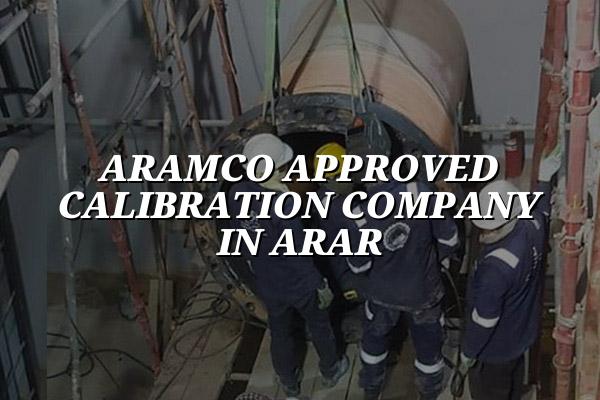
Aramco approved calibration company in Arar is the phrase most teams use when they need instruments checked by people who understand plant work, paperwork and real site conditions. If you're handling maintenance, QA or shutdown planning, this page shows how to keep instruments traceable and ready without wasting time chasing the wrong supplier.
We work with industrial clients across Saudi Arabia from Dammam Industrial City 2 and support project teams who need calibration, inspection and engineering help with ISO/IEC 17025:2017 traceability in mind. In Arar, that usually means pressure, electrical, thermal and mechanical instruments that need the right handling, the right records and a team that knows how the job site actually runs.
Why an Aramco Approved Calibration Company in Arar matters
In Arar and the wider Northern Borders region, most calibration requests are tied to plant reliability, contractor sign-off and equipment release. A valid calibration partner has to handle instruments carefully, keep traceability clear and return data that your maintenance and QA teams can actually use, not just file away. That is where an Aramco approved calibration company in Arar becomes more than a search term; it becomes a filter for vendors who can work inside demanding industrial environments.
What we see on real jobs
Pressure gauges, transmitters, digital multimeters, temperature indicators, torque tools and dimensional equipment are common on industrial sites. In our experience, the job usually starts with one missing certificate or one instrument that was stored badly after a shutdown. Once that happens, the whole approval chain slows down. A good provider handles onsite checks, lab work and pick-up for instruments that need special conditions.
Why traceability changes the outcome
When a calibration report is traceable and aligned with ISO/IEC 17025:2017 practice, your team can defend the result during audits, internal reviews and vendor checks. For electrical calibration, EURAMET CG-15 is one of the references we work to, and for quality systems many clients also ask how the calibration process fits their ISO 9001:2015 controls. The real benefit is simple: fewer disputes, fewer rechecks and cleaner handover to operations.
- Identify the instrument group — sort items by pressure, thermal, electrical, mass, torque or mechanical use so the right method is applied.
- Check site condition and access — decide whether onsite work is practical in Arar or whether lab handling is safer for the instrument.
- Review the certificate trail — confirm serial numbers, asset tags, ranges and previous records before the job starts.
- Carry out calibration and verification — use suitable reference standards and record the result clearly for your QA file.
- Return with usable documentation — the report should help you close the loop with maintenance, procurement and audit teams.
- Ask for ISO/IEC 17025:2017 traceability, not just a generic test sheet.
- Keep a list of instruments that need onsite calibration versus lab handling.
- Match the vendor to your asset type: pressure, electrical, thermal or mechanical.
- Confirm they can support project work in Arar without forcing long delays for basic items.
- Save certificates by asset tag so you can answer audit questions quickly.
Calibration routes for common industrial instruments
| Instrument group | Typical place of work | What your team should check |
|---|---|---|
| Pressure gauges and transmitters | Onsite or in lab | Range, threads, process condition and previous certificate |
| Electrical test equipment | In lab | Lead condition, function check, range and application on site |
| Thermometers and temperature indicators | Onsite or in lab | Stability, probe condition and the temperature points needed |
| Torque wrenches and force tools | In lab | Drive size, working range and whether tools are used on critical joints |
What matters during onsite calibration in Arar
Many clients in Saudi Arabia prefer onsite work because shutdown windows are tight and instruments are tied to production. That can work well for gauges, electrical testers and selected thermal devices when access is good and the environment is stable. For delicate or condition-sensitive items, pick-up and delivery to a controlled lab is often the safer route.
Good handling saves time later
If an item has been exposed to dust, vibration, heat or rough storage, calibration can reveal the real condition of the asset before it becomes a problem in service. We see this often with pressure equipment, torque tools and test gear used on construction and maintenance projects. A careful check now is easier than a failed audit or an unscheduled shutdown later.
Built for plant and project teams
Our mobile calibration lab helps when the instrument stays on site, while our temperature-controlled in-house laboratory is used for items that need tighter conditions. That mix is useful for oil and gas, petrochemical, power, construction and cold-chain work across Saudi Arabia and the Middle East.
How our calibration work fits industrial operations
We support electro-technical, pressure, mechanical/dimensional, thermal, biomedical, mass and volume, torque and force, noise and speed, concrete batching plant and civil calibration. That breadth matters because a plant rarely needs only one kind of test. A shutdown package can include gauges, meters, thermocouples, torque tools and inspection items in one cycle, which keeps the paperwork easier for the maintenance lead.
Clients also ask us for related work such as condition monitoring, laser shaft alignment, infrared thermography, electrical testing and commissioning, PAT testing and temperature mapping. When those tasks sit with one team, you reduce handover gaps. That is a practical advantage in Arar, where contractors often work to tight plant schedules and each visit needs to count.
How Mayon Industrial Services Can Help
If you need an Aramco approved calibration company in Arar, we can help with onsite calibration, laboratory calibration, instrument pick-up and delivery, and related engineering support. We also handle inspection, mechanical services, electrical testing and commissioning, orbital welding, lab setup and training, so your team isn't dealing with five different vendors for one shutdown. Tell us what you're working on, and we'll help you choose the right route.
Call +91 99447 80844 (India) or +966 59 633 8012 (Saudi Arabia), email services@mayonservices.com, or message us on WhatsApp.
Frequently Asked Questions
Start with the certificate trail. You want ISO/IEC 17025:2017 traceability, the right instrument scope and a team that can explain what they can do onsite versus in the lab. If the vendor can also handle related services like inspection or testing, that often makes shutdown planning easier for your site team.
Yes. Onsite work suits a lot of pressure, electrical and selected thermal instruments when the site condition is steady and access is clear. For instruments that need tighter environmental control, we normally suggest lab handling or pick-up and delivery so the result stays dependable.
We support oil and gas, petrochemical, power, construction, healthcare, pharmaceutical, cold chain, food and beverage, manufacturing and engineering. Those sectors often need a mix of calibration, inspection, mechanical support and testing, which is why many clients ask us to cover several work fronts at once.
Yes, that's part of the job. The report needs to identify the instrument, the result and the traceability route clearly enough for QA and maintenance teams to file it without chasing extra notes. Clients working under ISO 9001:2015 usually want that paperwork kept tidy and easy to retrieve.
Then pick-up and delivery is usually the better route. Some instruments are better kept out of harsh site conditions, especially if they are sensitive to heat, vibration or contamination. Our controlled laboratory setup helps with that, and we can plan the movement around your site schedule.
Yes. We support clients from our Saudi operation in Dammam Industrial City 2 and work across Saudi Arabia and the wider Middle East. That helps when a project team has sites in more than one location and needs the same service standard across the lot.
Ready to arrange calibration for your Arar site?
Send us the instrument list, the site location and the service window, and we'll help you plan the right calibration route for your team.
Contact Mayon