
Biomedical Equipment Calibration Company in Hawiyah
Traceable biomedical calibration for clinics, labs, and healthcare maintenance teams working in Hawiyah and nearby industrial zones.
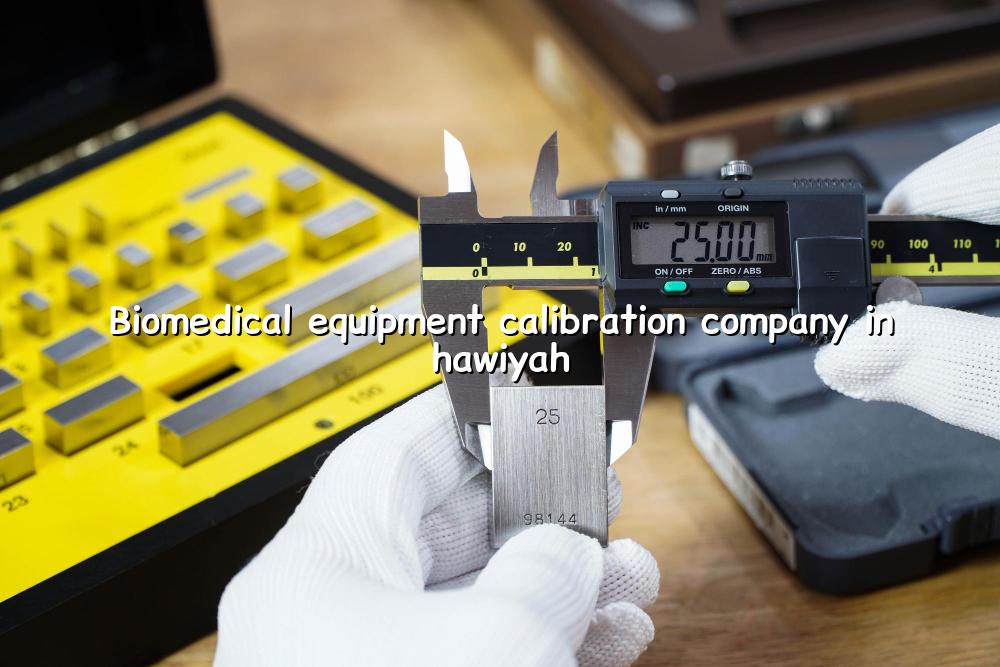
Biomedical equipment calibration company in Hawiyah services matter when a patient monitor, syringe pump, defibrillator, or incubator has to read right the first time. We help you keep those instruments traceable, stable, and ready for internal QA checks or external audits.
Our team works with healthcare maintenance managers, hospital stores teams, and site technicians across Saudi Arabia, including Hawiyah and the wider Eastern Province. We also support clients who need onsite visits, mobile-lab work, or pickup and delivery for instruments that need controlled handling.
What a Biomedical Equipment Calibration Company in Hawiyah Should Cover
When people search for a biomedical equipment calibration company in Hawiyah, they usually need more than a certificate. They need a team that understands how medical devices behave in the field, how to check them against traceable standards, and how to document the result in a way QA teams can trust. That usually means temperature-sensitive devices, pressure-based instruments, electrical safety-related checks, and clear identification of any out-of-tolerance reading.
Medical devices that need regular attention
In our work, biomedical calibration often involves instruments such as blood pressure monitors, infant incubators, sterilizers, thermometers, autoclaves, infusion devices, weighing scales used in clinical settings, and some lab support equipment. The exact test plan depends on the device type, its use case, and the risk profile inside the hospital or clinic. A device used in a neonatal unit is not treated the same way as one used for basic outpatient screening.
Why traceability matters in healthcare
Hospitals in Saudi Arabia, especially those tied to industrial towns, usually want evidence that their equipment checks were done against recognized standards and repeatable methods. ISO/IEC 17025:2017 is the core reference for calibration competence, and it gives your team a better trail when records are reviewed. In practice, that means fewer arguments during audits, less confusion during preventive maintenance, and better confidence when a device is returned to service.
- Identify the device and use case — we confirm the model, serial number, location, and how the equipment is used in the clinic or ward.
- Check condition before testing — visible damage, battery health, accessories, and any signs of drift are reviewed first.
- Run the calibration points — readings are compared at relevant points so the result reflects normal service use.
- Record pass/fail and adjustment status — we note what was found, what was adjusted if needed, and whether the item remains fit for use.
- Keep biomedical instruments on a risk-based schedule, not a vague yearly habit.
- Match the calibration point range to how the device is actually used.
- Ask for traceability and uncertainty details, especially for regulated medical environments.
- Separate routine calibration from repair work so the records stay clean.
Typical Biomedical Checks We Plan Around
| Device group | What we usually verify | Where it matters most |
|---|---|---|
| Patient monitors | Temperature, pressure, and electrical-related readings against set points | Wards, emergency rooms, and critical care units |
| Infusion and syringe pumps | Flow consistency, display accuracy, and operating condition | ICU, dialysis support, and long-duration therapy |
| Incubators and warmers | Temperature stability, display response, and sensor behavior | Neonatal and maternity departments |
| Clinical weighing scales | Repeatability, zero check, and load response | Outpatient clinics and nutrition monitoring |
How the Right Calibration Approach Protects Operations
A good biomedical calibration plan does two things at once. It protects patient safety and keeps maintenance teams from firefighting avoidable faults. If a device drifts slowly over time, you want to catch it before the reading becomes a problem, not after someone has already relied on it in a busy clinic.
Onsite service is often the practical choice
For many clients, moving biomedical equipment is the hardest part. Some items are delicate, some need controlled handling, and some are better tested in place because the operational setup itself matters. That is why onsite support and mobile-lab capability make a real difference in Hawiyah, Dammam, Jubail, and other Saudi industrial locations where schedules are tight and access windows can be short.
What QA teams usually ask for
They want the instrument identity, the method used, the result, and a clear note if the item needs adjustment or repair. They also want confidence that the work was done by a team familiar with ISO/IEC 17025:2017 and, where relevant, the broader quality structure used by ISO 9001:2015 sites.
What the Service Flow Looks Like for a Hospital or Clinic
Most biomedical teams want a simple flow. That starts with booking, then device listing, then the actual test visit or laboratory handling, and finally a record that can be filed without extra clean-up. We keep the process practical because nobody in a busy hospital wants a confusing handover or missing serial numbers.
From booking to return
Once we understand the device list, we plan whether the job belongs onsite or in the lab. Devices that need special storage conditions can be collected and returned after controlled handling. If repairs are needed before calibration can be completed, we separate that work so your maintenance file stays accurate.
Why hospitals in Saudi Arabia care about this structure
In our experience, healthcare sites in Saudi Arabia are very clear about documentation. They often work across multiple departments, sometimes with central maintenance and separate ward-level users. A tidy process reduces repeat calls, protects the equipment history, and helps when procurement or audit teams review the file later.
- Keep an asset list with model and serial number before the visit.
- Mark devices that cannot be moved and need onsite testing.
- Separate calibration, repair, and replacement decisions.
- File the result with the department’s preventive maintenance records.
How to Choose the Right Biomedical Calibration Partner
Start with competence, not marketing. A serious provider should be able to explain its calibration scope, handling method, and record format without giving you a vague answer. If your site has patient-facing equipment, lab support devices, or cold-chain hardware, you should also ask whether the team has the right practical experience with those categories.
For Hawiyah and nearby Saudi industrial areas, local responsiveness matters too. You may need support for a sudden maintenance audit, a department move, or an instrument that can't wait for a long shipping chain. That is where onsite work, mobile-lab capability, and clear communication make the biggest difference.
Ask these three questions
Can you show the calibration method? Can you handle onsite and lab work? Can you support biomedical records that need traceability under ISO/IEC 17025:2017?
How Mayon Industrial Services Can Help
We support biomedical calibration alongside our wider ISO/IEC 17025:2017 calibration work, so your team can manage one trusted partner for medical instruments, field visits, and documentation. If you also need mechanical support, inspection, or repair work around the same site, we can coordinate the job without making you juggle three different vendors. That keeps the handover cleaner, especially for hospitals and healthcare contractors working in Saudi Arabia and the Eastern Province.
Call +966 59 633 8012 (Saudi Arabia) or +91 99447 80844 (India), email services@mayonservices.com, or message us on WhatsApp.
Frequently Asked Questions
Common items include patient monitors, thermometers, incubators, clinical weighing scales, infusion devices, and other measurement-based medical equipment. The exact list depends on how the device affects patient care or quality checks. We normally review the asset list first so the test plan matches the actual use.
Yes, onsite support is often the best option when the device is installed in a ward, lab, or controlled area. It avoids unnecessary movement and keeps the equipment available for the department as long as possible. For items that need special conditions, pickup and delivery can be arranged.
ISO/IEC 17025:2017 is the main standard that shows a calibration provider understands technical competence, traceability, and method control. For biomedical teams, that makes the record easier to defend during audits and internal reviews. It also gives more confidence that the result was not just a quick check, but a controlled measurement process.
We can support calibration, and where needed, we can also coordinate repair and maintenance work through our wider industrial service set. That helps when a device fails a check and needs attention before it can be returned to service. We keep the activities separate in the record so your maintenance file stays clear.
Signs can include unstable readings, repeated complaints from users, inconsistent results between devices, or failure during internal checks. Sometimes the drift is small and only shows up when you compare the reading at more than one point. That is why a proper calibration plan matters more than a simple visual inspection.
Yes, we support clients across Saudi Arabia and the wider Middle East, depending on the project scope. We also work from India through our Chennai head office. If you have a multi-site healthcare or maintenance program, we can discuss the locations and plan the service route.
Ready to keep biomedical readings under control?
If you need a biomedical equipment calibration company in Hawiyah that can handle traceability, onsite work, and clear records, talk to us and we'll help you plan the next step.
Contact Mayon