
Bolt Tensioning Service Company in Hawiyah
Controlled bolting for flanges, critical joints and shutdown work in Hawiyah and nearby Saudi industrial sites.
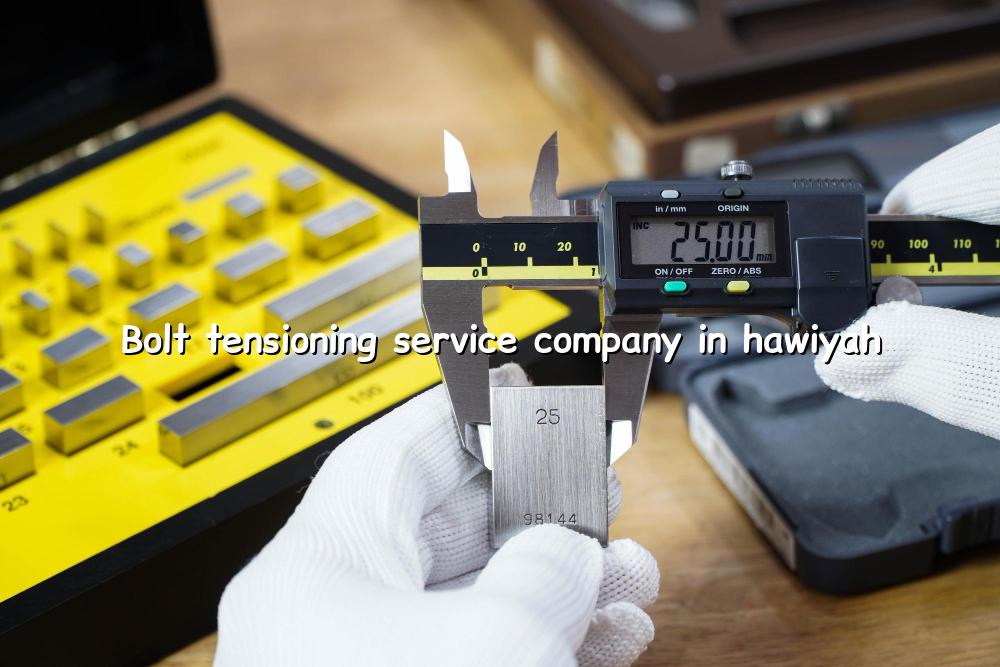
Bolt tensioning service company in Hawiyah is what engineers search for when a flange joint can’t be left to guesswork. We handle controlled bolt loading for process lines, pressure systems and shutdown work, so your joint closes evenly and stays where it should.
From Hawiyah and the wider Eastern Province to Saudi oil and gas facilities, our team supports maintenance crews who need repeatable results, traceable tools and a site-ready method. We work with hydraulic tensioning, mechanical bolting and supporting calibration, which helps when the job has to stand up to inspection and plant discipline.
Bolt Tensioning Service Company in Hawiyah for safer flange work
When a flange leaks, the usual problem is not just the gasket. Uneven bolt load, poor sequence, wrong lubrication, a tired stud, or a tool that hasn’t been checked can all show up at the same joint. In Hawiyah, where gas processing and related industrial assets demand steady plant uptime, bolt tensioning gives you a cleaner way to control the load instead of relying on feel.
Where bolt tensioning helps most
We usually see the strongest need during turnarounds, new installation work, flange replacement and leak correction. It’s also useful on exchangers, manifolds, separators, compressor skids, pump connections and other joints where a technician wants even bolt stress across the flange face. The goal is simple: keep the load consistent across the circle, then verify the joint after release and re-check as the job allows.
What our crew brings to site
Our service combines controlled tightening practice with the gear and discipline a plant expects. We can support hydraulic bolt tensioning, flange-related mechanical work, torque follow-up and calibration support for tools and instruments used around the job. That matters in Saudi projects, because most maintenance teams don’t just want the bolt tight; they want the method, records and confidence that the assembly was handled properly.
- Review the joint — we check flange size, bolt condition, access, gasket type and the tightening pattern before touching the hardware.
- Confirm the method — our team decides whether tensioning, torquing or a mixed approach fits the joint and the shutdown plan.
- Prepare the surfaces — studs, nuts, washers and flange faces are cleaned and inspected so the load isn’t fighting debris or damage.
- Apply controlled tension — the bolts are loaded in the agreed sequence, then rechecked after relaxation or a follow-up pass.
- Record the result — the final condition is logged for maintenance files, QA review and future reference.
- Use calibrated tools so the applied load is traceable.
- Match the method to the flange class, gasket and access limits.
- Keep the tightening sequence symmetrical to reduce flange distortion.
- Check stud condition before reuse; damaged threads waste time on site.
Method comparison for flange assembly in Hawiyah
| Method | Best used for | Site benefit |
|---|---|---|
| Bolt tensioning | High-integrity flange joints, repeat work and controlled load application | Even bolt stretch and better load control across the joint |
| Torque tightening | General maintenance joints and accessible assemblies | Fast to apply when the procedure and lubrication are well defined |
| Hydraulic bolting support | Large flanges and heavy industrial equipment | Useful where manual effort is limited and access is tight |
| Combined re-torque check | Jobs that need a second verification after initial assembly | Helps confirm the joint after seating and relaxation |
Why this service matters during shutdowns and leak repair
On a live plant, a flange issue can snowball into a bigger maintenance problem very quickly. Controlled bolt loading helps reduce that risk because the joint is assembled with a known pattern instead of uneven hand effort. For oil and gas assets in Hawiyah, that kind of discipline makes sense when the job must fit permit rules, inspection checks and the maintenance plan.
Where traceability helps the most
We often see QA teams ask for proof that the equipment used on site was suitable for the job. That is where Mayon’s calibration capability helps, especially when your team needs confidence in the measuring and supporting tools around the work. We also serve related industrial sectors across Saudi Arabia and the Middle East, so the same work method can be repeated across similar sites, not reinvented each time.
Built for maintenance teams
Our clients usually want the job done cleanly, with less rework and fewer loose ends. That means proper joint prep, the right sequence, sensible access planning and a crew that understands industrial pressure systems, not just general tightening.
What to confirm before bolt tensioning begins
Before we start any bolting job, we ask for the basics: joint type, service condition, access route, gasket specification and whether the plant wants onsite support or workshop backup. That keeps the crew from losing time on avoidable surprises. In our experience, the best jobs start with a short review and a clear sequence, not with a rushed tool pickup.
We also keep an eye on the surrounding work. If the flange sits near electrical gear, rotating equipment or a hot area with other maintenance ongoing, the plan changes. Good bolting is rarely just about the bolts; it’s about the whole space around them.
Common signs the joint needs attention
Fresh staining, repeated seepage, uneven compression, distorted washers or bolts that look stretched are all warning signs. If the same joint has been opened more than once, the old assumptions can be wrong. A proper inspection and controlled reset is often cleaner than trying to force the old pattern to work again.
- Confirm the bolt size, material and thread condition before the job.
- Make sure the flange faces are clean and free from old gasket residue.
- Keep the tightening order documented for repeat maintenance.
- Arrange calibration support for the tools used around the joint.
Supporting mechanical and calibration work around the flange
Bolt tensioning rarely stands alone. Many Hawiyah jobs also need flange facing, hydrotesting, bolt torquing, cold cutting, mechanical commissioning support or calibration of pressure and temperature instruments used in the area. When one team can handle several related tasks, the shutdown coordination gets a little easier.
Why that matters on site
A maintenance manager usually wants fewer contractors and fewer handovers. If the bolting crew can coordinate with inspection, testing and calibration support, you reduce delays from mismatched schedules and missing paperwork. That’s one reason clients across Saudi Arabia call us for integrated industrial work instead of piecing the job together one trade at a time.
One job, several linked tasks
We can support the flange work itself and the surrounding needs that make the job hold up in real plant conditions. That includes onsite calibration, mechanical work, inspection support and the practical coordination that keeps the crew moving.
How Mayon Industrial Services Can Help
If you need a bolt tensioning service company in Hawiyah, we can support the flange work, the nearby mechanical tasks and the calibration side that keeps the job defensible. Our team works across Saudi Arabia with industrial clients who expect careful method control, clear communication and practical site support. We also bring the same discipline to related jobs like inspection, hydrotesting, commissioning and tool calibration, so your shutdown team isn’t left stitching together multiple vendors.
Call +91 99447 80844 (India) or +966 59 633 8012 (Saudi Arabia), email services@mayonservices.com, or message us on WhatsApp.
Frequently Asked Questions
Honestly, the best choice is the team that understands the joint, not just the tool. You want controlled loading, a proper tightening sequence and support for the surrounding maintenance work. That’s how you reduce repeat leakage and keep the shutdown moving.
Bolt tensioning is often preferred on larger flanges, repeat critical joints and jobs where even load distribution matters a lot. Torque tightening still has its place, especially on accessible joints and general maintenance work. We usually look at the flange, gasket, service condition and access before recommending a method.
Yes — we support onsite industrial work across Saudi Arabia, including Hawiyah and nearby oil and gas locations. Our team can come with the bolting plan, supporting mechanical capability and calibration-minded work practices. That’s useful when the plant wants one crew to manage the joint and the related checks.
Yes, we can support calibration needs tied to the job through our ISO/IEC 17025:2017 compliant services. That matters when the plant needs traceability for instruments and confidence in the tools used around critical bolting work. It also helps QA teams keep the maintenance file clean.
We most often see demand from oil and gas, petrochemical, power and manufacturing sites, plus some construction and utility work. Those places usually have pressure systems, flanges or heavy equipment connections that need careful assembly. Hawiyah is a natural fit because the local work tends to involve critical process assets and planned maintenance windows.
Send us the job details, the flange count, site location and any drawings or maintenance notes you already have. We’ll review the scope and respond through the contact channels on this page. If the job is tied to a bigger shutdown, we can also discuss related mechanical and calibration support.
Ready to keep your flange joints under control?
If you need a dependable bolting team in Hawiyah, we’re ready to talk through the joint, the shutdown plan and the support you need around it.
Contact Mayon