
Bolt Torquing Service Company in Spark
Controlled tightening for flanges, skids and critical joints, with onsite support for maintenance shutdowns and new installations.
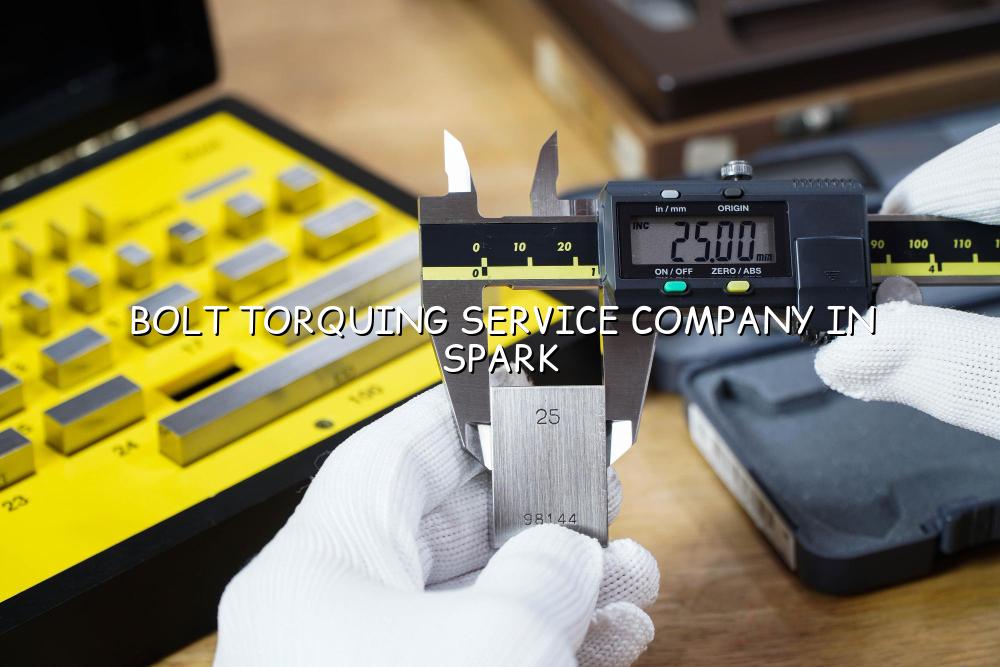
Bolt torquing service company in Spark is usually the first thing people search when a flange, skid or structural connection has to be tightened with real control, not guesswork. We help you get the load where it should be, so the joint holds during startup, running duty and maintenance cycles.
Our team works with industrial maintenance crews, shutdown planners and commissioning engineers across India, Saudi Arabia and the Middle East. In practice, that means flange bolting, hydraulic tensioning, flange facing checks and verification work that fits the reality of petrochemical plants, power sites, fabrication yards and process units.
Bolt Torquing Service Company in Spark for Critical Industrial Joints
For a lot of sites, the trouble starts with uneven tightening. One bolt is loaded hard, the next one is left behind, and the flange starts behaving badly once pressure, vibration or thermal cycling kicks in. That’s where a controlled bolt torquing service matters. We use the right tightening sequence, traceable torque tools and a job plan that suits the joint, not just the wrench.
Where bolt torquing works best
We’re often called to work on piping flanges, heat exchangers, pump skids, valves, pressure vessels, hydraulic systems and heavy equipment assemblies. In shutdown work, the details matter. Surface condition, gasket type, lubrication and the final tightening pattern all affect the result, especially in oil & gas, petrochemical and power facilities where a leak can stop a line.
What our crew checks before tightening
Before a single bolt is pulled up, we look at flange alignment, bolt grade, thread condition and access. If a joint needs more than torque alone, we’ll say so. Hydraulic tensioning, bolt tension checks or flange facing may be the better route. We’d rather tell you that upfront than send a crew that makes the fit-up look good for an hour and then causes trouble later.
- Review the joint — we confirm flange size, gasket type, bolt condition and access points before work starts.
- Set the tightening method — torque, tensioning or a mixed method is selected based on the joint and service duty.
- Apply tightening in sequence — the crew follows a cross-pattern and staged pull-up to keep the load even.
- Verify the final condition — we check joint alignment, tool readings and any follow-up re-torque needs after initial settling.
- Tightening plans are matched to the flange and service condition, not a one-size method.
- Hydraulic torque tools help control load on larger or more sensitive connections.
- Bolt condition, thread cleanliness and lubrication are checked before final pull-up.
- Shutdown crews get support for turnaround work, commissioning and repair outages.
Choosing the Right Bolt Tightening Approach
| Method | Best For | Typical Site Use |
|---|---|---|
| Manual torque tightening | Smaller flanges and standard maintenance jobs | Routine repair work where access is clear and the joint is straightforward |
| Hydraulic torqueing | Larger bolts and controlled load application | Refineries, process plants and heavy industrial installations |
| Hydraulic tensioning | Critical joints that need even load distribution | High-integrity piping systems, pressure equipment and shutdown tie-ins |
| Flange facing plus reassembly | Damaged sealing faces or repeated leakage issues | Sites where the gasket face needs correction before tightening can work properly |
What You Gain from Controlled Bolt Torquing
The main benefit is simple: a joint that behaves the same way every time you install it. That matters on a batch plant skid in Chennai, a process line in Dammam Industrial City 2 or a mechanical package being tied into a larger system. When tightening is controlled, you reduce uneven load, help the gasket seal properly and make later inspection easier.
Why teams ask for verification work too
On many projects, the tightening job is only part of the story. Teams also need confirmation that tools were applied correctly, that the assembly sequence made sense and that the final joint can be signed off by maintenance or QA. We work that way because most plant engineers want evidence, not just a handover and a smile.
Made for shutdown and commissioning work
We support planned shutdowns, turnarounds, installation work and repair jobs where time is tight and the joint can’t be left to chance. If the connection needs torqueing, tensioning, flange facing or a mix of those, we’ll line up the method with the actual site condition.
How Mayon Industrial Services Can Help
If you need a bolt torquing service company in Spark that can handle field work properly, we can help with controlled tightening, hydraulic tensioning, flange work and commissioning support. Our team also brings mechanical services, inspection, calibration and repair capability, which helps when the job needs more than one trade on the same visit.
We work from Medavakkam, Chennai, and from Dammam Industrial City 2 in Saudi Arabia, so we’re used to the pace of Indian industrial sites and GCC maintenance schedules. Call +91 99447 80844 (India) or +966 59 633 8012 (Saudi Arabia), email services@mayonservices.com, or message us on WhatsApp.
Frequently Asked Questions
Plants that handle pressure piping, rotating equipment, skids and critical connections usually need it. We see it most often in oil & gas, petrochemical, power, manufacturing and cold-chain projects where a loose or uneven joint can create downtime very quickly.
No, not for every job. Torque works well on many standard joints, while hydraulic tensioning is better for some larger or more sensitive connections. We choose the method based on the flange, bolt size, access and how critical the joint is in service.
Yes, we provide onsite work for industrial customers in Spark and surrounding project areas. Our mobile capability is useful when the joint can’t be moved, especially during shutdowns, repairs and commissioning jobs where plant access is tight.
We check bolt grade, thread condition, gasket type, flange face condition and alignment before tightening. If those items are ignored, the torque reading may look fine while the joint still leaks once pressure or heat comes in.
Yes. We often bundle bolt torquing with flange work, hydrotesting, cold cutting, testing and commissioning, so the crew on site can finish the job without bringing in several different vendors. That saves time in the field and keeps the job sequence cleaner.
Ready to tighten the joint properly?
Send us the flange details, site location and scope, and we’ll help you plan the right bolt tightening method for the job.
Contact Mayon