
Calibration Lab Setup Company in Ras Tanura
Turnkey calibration lab planning, installation and commissioning for industrial facilities in Ras Tanura and the wider Eastern Province.
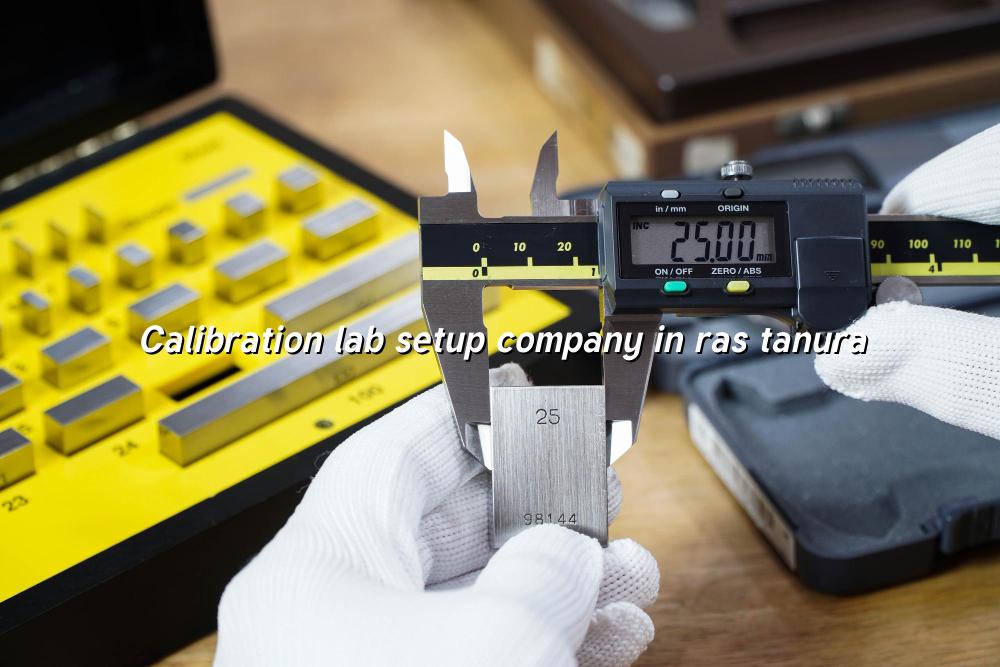
Calibration lab setup company in Ras Tanura is the kind of search people make when they need a lab that can actually work on day one. You want the room planned properly, instruments placed with care, traceability built in, and a layout that fits how technicians really move through the space.
We set up calibration and chemical laboratory spaces for industrial teams that need order, repeatability and compliance. For Ras Tanura and the Eastern Province, that often means oil & gas, petrochemical, power and maintenance sites that expect ISO/IEC 17025-ready discipline from the first installation, not after the fact.
Calibration lab setup company in Ras Tanura for industrial sites
When a plant, workshop or service provider asks for a calibration lab, the real need is bigger than benches and shelves. You need a temperature-controlled space, controlled access, clean routing for instruments, proper electrical load planning, and a workflow that supports electro-technical, pressure, mechanical, thermal, mass and dimensional work without chaos. That is where lab setup work fails most often: the room looks finished, but the process is weak.
What a working calibration lab needs
We start with the use case. A lab that handles pressure comparators, dead weight testers, temperature baths and electrical calibration tools does not need the same internal layout as a chemical lab or a repair bay. In Ras Tanura, where production reliability matters and site access can be tight, the design has to respect the space you have, the instruments you own, and the calibration disciplines you plan to offer from day one.
Why planning matters before equipment arrives
Most rework happens because the building is treated as a final step. It should be the first step. Bench heights, flooring, lighting, HVAC stability, utilities, instrument flow, quarantine space, storage, documentation desk and pickup-and-delivery handling all need to be mapped before procurement starts. If you want ISO/IEC 17025 discipline later, the room should already support it now.
- Define the scope — list the calibration disciplines, instrument ranges and test categories your lab will handle, then separate critical and non-critical areas.
- Survey the site — measure the room, check power, cooling, access routes and any restrictions for sensitive equipment movement.
- Design the workflow — place receiving, cleaning, verification, calibration, documentation and dispatch in a logical order.
- Install and commission — position benches, utilities, fixtures and environmental controls, then verify the setup with live instrument handling.
- Keep temperature-sensitive areas stable enough for repeatable readings and controlled storage.
- Separate incoming instruments from calibrated stock so items do not get mixed.
- Plan a clear path for heavy or fragile instruments, especially during pickup and delivery.
- Leave space for documentation, tags, seals and traceability records.
- Match the bench layout to the actual work, not to a generic lab photo.
Typical lab zones and what each one should do
| Lab zone | Main purpose | Planning point |
|---|---|---|
| Receiving area | Log in instruments and check condition on arrival | Needs clear access, tagging space and short movement paths |
| Calibration bay | Handle active calibration work and verification | Requires stable environment, proper benches and safe cable routing |
| Quarantine shelf | Hold rejected, damaged or pending items | Should be physically separate from ready-to-issue equipment |
| Documentation desk | Manage certificates, records and traceability files | Needs quiet space, good filing discipline and easy workstation access |
How the right lab setup supports ISO/IEC 17025 work
ISO/IEC 17025 is about more than a certificate on the wall. In practice, it shapes how your lab controls conditions, records results, protects reference standards and handles uncertainty. A well planned setup makes those habits easier to maintain, which is why we pay attention to things like environmental control, equipment segregation, traceability labels and instrument routing from the first day of the project.
What clients in Saudi Arabia usually ask for
Teams in Ras Tanura, Dammam and the surrounding industrial corridor often want a lab that supports both in-house work and site service. That means calibration benches, storage for reference devices, mobile-lab compatibility and a layout that lets engineers move between field jobs and controlled indoor work without confusion. We build for that reality, not for a showroom.
Turnkey work with practical details
We look at utilities, access, equipment placement, documentation flow and future expansion. If a lab needs to grow from pressure and temperature work into electrical or mechanical calibration later, the plan should already leave room for that next step.
Practical decisions that make a calibration lab easier to run
Environmental control
Some instruments tolerate normal room variation. Others do not. We assess where tighter control is needed so that your most sensitive work is not affected by heat, dust or unstable airflow.
Flow of instruments
Items should move in one direction through the lab. Receiving, checking, calibration, review and issue should not collide. Simple flow cuts mistakes, especially when several technicians are working on different jobs at once.
Future expansion
Many clients start with a small setup and add disciplines later. If the room is designed with that in mind, you avoid expensive rework when the business grows or when a new contract asks for another measurement range.
From concept to commissioning
We usually handle lab setup in stages because it keeps the project controlled. First comes the brief, then the site review, then the layout and equipment list, and only after that do we move into installation and commissioning. That sequence matters. A dead weight tester or a temperature bath is much easier to place correctly when the room is already planned for its load, clearance and workflow.
For Ras Tanura clients, the pressure is often on uptime. Plants cannot afford a lab that stops technicians from working because benches are too close, access is awkward or the documentation corner got squeezed into a bad spot. A cleaner layout saves time every day, and you feel that difference fast once the lab starts handling real jobs.
Where our wider services fit in
If your operation needs more than setup, we can support the broader chain as well: calibration services, repair and maintenance, temperature mapping, inspection, orbital welding, mechanical services and training. That helps when the project is not just about the room, but about making the whole maintenance and quality system stronger.
- Use room zoning so clean work and dirty work stay separate.
- Keep reference standards protected from vibration, heat and accidental handling.
- Leave a proper path for calibration carts, cases and heavy devices.
- Plan for documentation from the start, not after commissioning.
How Mayon Industrial Services Can Help
We set up calibration labs with the same discipline we use in our own in-house work. That means practical room planning, mobile-lab thinking, attention to ISO/IEC 17025 expectations and a layout that supports real industrial use in Saudi Arabia and the Middle East.
Whether you need a new calibration room, a full laboratory setup plan, or support that ties into calibration, mechanical services, inspection or training, our team can help you shape the project properly. Call +91 99447 80844 (India) or +966 59 633 8012 (Saudi Arabia), email services@mayonservices.com, or message us on WhatsApp.
Frequently Asked Questions
We plan the room, define the workflow, place the equipment and help commission the space so it can support real calibration work. That includes layout decisions, utilities, bench planning and the practical side of instrument handling. The aim is to make the lab ready for use, not just presentable.
Yes. We work with industrial clients in Saudi Arabia, including operations tied to oil & gas, petrochemical and power environments. Those sites usually need careful planning around access, environmental control and instrument traceability, and that is part of our setup approach.
We can help with the full laboratory design too. That may include calibration and chemical lab planning, installation, commissioning and the practical layout needed for storage, documentation and test flow. If you already have a room, we can work with that. If you only have a concept, we can start there as well.
For this kind of work, we stay within the standards the site already recognizes: ISO/IEC 17025:2017 for calibration and testing competence, ISO 9001:2015 for quality management, BS EN standards for lifting and inspection, and EURAMET CG-15 for electrical calibration. We do not add random standards just to fill a page.
Yes, and that is common. Many clients want a fixed lab plus a mobile calibration option for onsite work. We plan the lab so it supports both sides, including pickup and delivery for instruments that need special handling or controlled conditions.
Send us the site location, the space you have, the calibration disciplines you need and any equipment you already own. From there, we can discuss the layout and the best way to phase the setup. You can call, email or use WhatsApp, and we will take it from there.
Ready to build a lab that works properly?
If your project in Ras Tanura needs a calibration lab that supports real industrial work, we can help you plan it with care and set it up the right way.
Contact Mayon