
Calibration Labs Setup Consulting in Jafurah
Plan a calibration lab that fits your instruments, workflow and traceability needs in Jafurah and the wider Eastern Province.
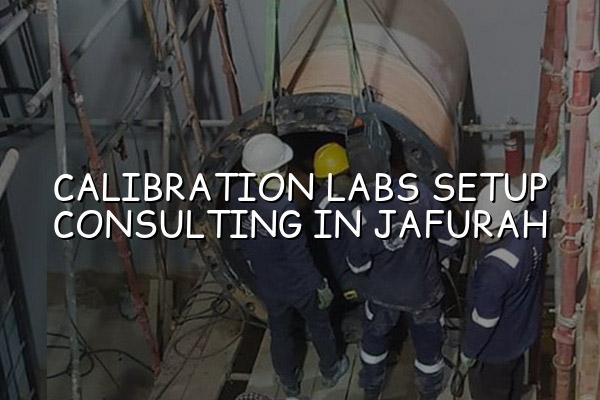
Calibration labs setup consulting in Jafurah helps you turn a blank room, workshop annex or project site office into a lab that actually works for day-to-day instrument control. We help you avoid the usual mistakes: wrong room layout, poor environmental control, undersized benches and equipment that looks good on paper but does not suit the instruments you need to handle.
For Saudi projects, especially around Jafurah and the Eastern Province, the real challenge is not only buying test gear. It is making sure the lab supports ISO/IEC 17025 expectations, traceable calibration practice, safe workflow, and practical receipt-to-dispatch handling for pressure, electrical, thermal and mechanical instruments.
What calibration labs setup consulting in Jafurah should cover
A proper setup starts with the instruments you expect to calibrate, not with a catalogue. A pressure lab for industrial maintenance work needs a different room plan from a thermal lab, and both are different again from a mixed discipline lab supporting oil & gas, petrochemical, power or construction teams. We usually begin by mapping instrument types, accuracy needs, daily throughput and the control points that matter most: temperature, humidity, dust, power quality, bench space and secure storage.
How the layout shapes the work
Room layout decides how smoothly the lab runs. If incoming items, quarantine, calibration benches, verification checks and packing all sit too close together, the team starts crossing paths and mistakes creep in. In our experience, the best labs keep a clean flow from receiving to testing to review to dispatch, with enough separation for delicate instruments, special conditions and rework. That matters in Jafurah where project teams often bring mixed lots from site shutdowns, compressors, pumps, transmitters and field tools all at once.
What equipment is worth planning first
The first purchase is not always the biggest purchase. For many startups, the base package should focus on reference standards, environmental monitoring, work benches, storage and the calibration systems that will be used every week. Pressure comparators, dead weight testers, temperature baths, hydraulic power packs, meters, multimeters, torque systems and supporting accessories should be chosen around real demand. If the future plan includes mobile work, the lab design should also support a pickup-and-delivery flow and a mobile calibration lab ready for onsite use.
- Start with the service list — define which calibration disciplines, repairs or inspections the lab will handle in year one.
- Map the room flow — place receipt, test benches, storage, review and packing in a practical sequence.
- Choose reference equipment — select standards and support tools around traceability, workload and budget discipline.
- Set environmental controls — plan temperature, humidity, dust control, power backup and secure access before installation.
- Commission and document — test the layout, verify the equipment, train the team and build the operating records.
- Separate receiving from calibration benches so incoming tools do not crowd test areas.
- Keep temperature-sensitive gear away from doors, direct sun and vibration-heavy equipment.
- Plan secure storage for masters, standards and customer-owned instruments.
- Allow space for documentation review, labeling and certificate control.
- Build the lab around the work you expect from Saudi industrial sites, not around unused features.
Typical decisions in a Jafurah calibration lab project
| Lab Area | Main Planning Focus | Typical Output |
|---|---|---|
| Pressure calibration | Stable benches, reference standards, safe hose routing | Consistent work on gauges, transmitters and comparators |
| Thermal calibration | Temperature control, soak time, instrument handling | Reliable testing for probes, thermometers and baths |
| Electrical calibration | Clean power, shielding, traceability and test segregation | Meter and instrument checks aligned to industrial demand |
| Receiving and dispatch | Tracking, tagging, inspection and packing discipline | Clear instrument control from pickup to return |
Why ISO/IEC 17025-ready planning matters from day one
When a lab is set up without a traceability mindset, the team spends the next year fixing avoidable issues. That usually means cramped records, unclear equipment status, and a lot of rework when customers ask for evidence. If your Saudi operation supports oil & gas, petrochemical or power maintenance, your lab must be easy to audit, easy to control and easy to expand later. ISO/IEC 17025:2017 planning helps shape the space so competence, equipment control and record keeping are built in from the start.
What good compliance looks like in practice
We look at calibration records, work instructions, asset tagging, environmental logs and technician movement through the lab. ISO 9001:2015 quality processes still matter too, because they keep the system disciplined when the workload increases. For electrical calibration work, EURAMET CG-15 is a useful reference point, and lifting or inspection-related support work should stay within BS EN standards where those apply.
Build for the first audit, not the second repair
A well-planned lab saves time later because the room, the equipment and the paperwork all point in the same direction. That is especially true if you intend to handle both in-house work and onsite deployment across Jafurah, Dammam and other Saudi project locations.
Common mistakes we keep seeing in new lab projects
Buying before defining scope
Some teams order equipment too early and discover later that the room size, utilities or workload do not match the purchase. Start with the service list, then choose the gear.
Ignoring the mobile-lab option
In Saudi field work, not every instrument should move back and forth to the central lab. A mobile calibration lab can reduce handling and help with onsite work where the site conditions allow it.
Forgetting special-condition instruments
Some items need controlled pickup, delivery or storage. If that is skipped, the lab spends its time rescuing fragile instruments instead of building a steady workflow.
How Mayon Industrial Services Can Help
We help clients in Saudi Arabia plan calibration labs that fit the work they actually do, not a generic checklist. That can include room planning, equipment selection, mobile calibration lab readiness, pickup and delivery handling, and the practical structure needed for ISO/IEC 17025-style traceability. If your project in Jafurah needs a lab that can support pressure, electrical, thermal or mechanical work, our team can shape the setup around that scope.
Call +91 99447 80844 (India) or +966 59 633 8012 (Saudi Arabia), email services@mayonservices.com, or message us on WhatsApp.
Frequently Asked Questions
It usually covers scope planning, room layout, equipment selection, workflow design and the practical checks needed before commissioning. We also look at how the lab will handle incoming instruments, records, environmental control and any onsite support you may want later.
Start with the instruments your sites send most often, then build the room around those disciplines. For Saudi oil and gas work, pressure, electrical and mechanical tools are common, and the lab should support traceability, safe storage and a clear path for field returns.
You can start smaller if your workload is still developing. Many clients begin with the most frequent disciplines, basic reference equipment and a room that can expand later, then add more capability once the workflow is stable.
Yes, and for many Saudi sites it makes good sense. A mobile calibration lab helps with onsite work where moving every instrument back to the lab is not practical, while the fixed lab handles controlled jobs and any items that need special handling.
We look at the lab as a system: layout, equipment, records, control points and future growth. That makes it easier to align the space with ISO/IEC 17025:2017 expectations without building a room that is hard to use or expensive to maintain.
We often see interest from oil & gas, petrochemical, power, construction, healthcare, manufacturing and cold-chain operations. Those teams need a lab that can handle mixed instruments, site pressure and documented traceability without slowing the maintenance cycle.
Ready to plan your Jafurah calibration lab?
If you want a setup that fits your instruments, your site work and your compliance needs, we can help you shape it from the start.
Contact Mayon