
Calibration Labs Setup Consulting in Tanajib
Plan a calibration lab in Tanajib with the right layout, utilities, workflow and traceability from day one.
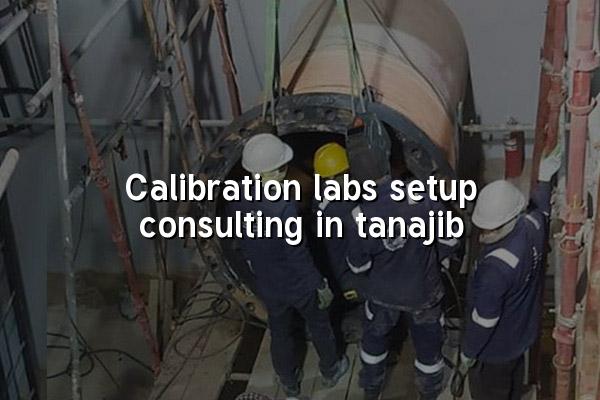
Calibration labs setup consulting in Tanajib helps you plan a laboratory that works on paper and in the field. If you're setting up a new facility for oil and gas, maintenance or quality control, you need the room layout, utilities, equipment list and traceability flow sorted before the first instrument arrives.
We work with teams that need practical answers, not glossy drawings. In Tanajib and nearby industrial operations, that usually means a lab that can handle pressure, electrical and dimensional work, support ISO/IEC 17025 traceability, and fit the reality of site conditions, mobilization schedules and spare-parts delays.
Calibration labs setup consulting in Tanajib for new and expanding sites
For most clients, the first mistake is buying instruments before the lab design is fixed. That sounds harmless, but it leads to poor bench spacing, unstable power, awkward movement of standards, and a workflow that looks neat on a drawing but fails during daily use. We start by looking at the intended scope: electro-technical calibration, pressure, thermal, mass and volume, torque, dimensional checks or a mixed service lab that supports a wider maintenance base.
What a workable lab layout must handle
A Tanajib lab often needs separate zones for incoming instruments, reference standards, testing, quarantine and packing. If you're planning traceable calibration work, the temperature-controlled environment matters, as does how you move sensitive gear between the workbench, storage and dispatch. We also factor in the instrument flow for pickup and delivery, because some items need special handling and shouldn't sit in a hot loading area.
Why utilities decide whether the lab stays usable
Power quality, compressed air, grounding, lighting, ventilation and network points all shape the final result. A pressure or hydraulic bench without the right utilities becomes a daily headache. A lab that handles electrical calibration or testing also needs enough discipline around earthing, bench isolation and document control. Those details are boring until they stop the job.
- Define the scope — list the calibrations, inspections or repair work the lab will actually handle, then separate must-have equipment from future expansion items.
- Map the workflow — plan how instruments enter, get checked, calibrated, labeled, reviewed and released without crossing paths in a messy way.
- Fix the utilities — confirm electrical load, earthing, air supply, lighting, storage and environmental control before you place a single standard.
- Set the document system — build calibration records, status labels, acceptance rules and traceability files so the team can work consistently from day one.
- Choose bench sizes around the instruments you service most, not around what fits in a catalog photo.
- Keep reference standards in a controlled storage area with clear access control and status labeling.
- Separate dirty incoming items from finished jobs to avoid mix-ups and repeat handling.
- Plan a route for pickup and delivery if some instruments need special conditions or offsite handling.
- Allow room for future disciplines such as pressure, torque, thermal or biomedical calibration.
Reference points for a calibration lab in Tanajib
| Planning area | What to decide | Why it matters |
|---|---|---|
| Scope | Electro-technical, pressure, thermal, dimensional or mixed-service coverage | Controls the equipment list, staffing and room requirements |
| Environment | Temperature control, cleanliness, storage and access discipline | Protects standards and supports traceable results |
| Utilities | Power, earthing, air, lighting and network points | Keeps benches safe and stable during daily use |
| Workflow | Receiving, calibration, review, labeling and dispatch | Reduces mix-ups and avoids wasted movement |
How to build traceability into the lab from the start
ISO/IEC 17025:2017 doesn't begin at the audit. It starts with the room design, the instrument flow, the status of reference standards and the way your records are kept. If the lab is intended to support oil and gas or petrochemical work in Saudi Arabia, the Middle East or India, clients usually expect a clean chain from receipt to final report.
Small decisions that save time later
We usually recommend clear zoning for reference standards, work-in-progress and finished jobs, with simple visual controls. That helps technicians move faster without guessing where things belong. It also makes it easier to keep a temperature-controlled area organized when the lab is busy, which happens faster than people expect once the first site starts sending equipment in batches.
Design for real field work
Tanajib projects often support maintenance shutdowns, commissioning campaigns and ongoing plant care. That means the lab should be able to receive urgent items, manage special-condition instruments and stay readable for the next technician who walks in after a shift change.
What equipment and services a Tanajib calibration lab usually needs
A clean lab design is only useful if the equipment list matches the work. For a calibration lab setup, that may include pressure comparators, dead weight testers, temperature baths, hydrotest manifolds, accumulators, hydraulic power packs and custom fabrication for benches or fixtures. For broader service coverage, you may also need space for inspection tools, PAT testing, electrical commissioning instruments and condition monitoring equipment.
We also look at how your lab connects to the rest of the business. Some clients want a pure calibration center. Others want a support hub for repair and maintenance, training, mobile calibration visits, or a pickup-and-delivery model that handles items needing controlled transport. The best answer depends on the site, the workload and the people who will actually run it.
- Pressure and temperature standards sized to your expected range of work.
- Secure benches and storage for reference equipment and sensitive devices.
- Visual controls for instrument status, calibration due dates and quarantine items.
- Enough spare bench and packing space for incoming batches from site teams.
How Mayon Industrial Services Can Help
We help you scope the lab, plan the layout, choose the right calibration disciplines and set up a practical workflow that your team can live with. Our work covers ISO/IEC 17025 calibration services, lab design and setup, mechanical services, inspection, orbital welding, repair and maintenance, and training for engineers and technicians. If you need a mobile calibration lab approach or controlled handling for instruments, we can build that into the plan.
Call +91 99447 80844 (India) or +966 59 633 8012 (Saudi Arabia), email services@mayonservices.com, or message us on WhatsApp.
Frequently Asked Questions
It usually starts with scope, room layout, utilities and workflow, then moves into equipment planning and document control. We also look at how the lab will receive, store and release instruments, because that affects daily use just as much as the floor plan.
Start with the disciplines you want to offer, then build the environment around those needs. A traceable lab needs proper storage, clear status control, consistent records and enough space for standards, instruments and review work.
Yes. Many industrial clients want calibration, repair and maintenance under one operational umbrella, as long as the workflow and storage areas are kept clear. The important part is separating active jobs, repaired items and reference standards so the team doesn't mix status or paperwork.
Check electrical load, earthing, ventilation, compressed air if needed, lighting and secure storage. If the lab will support pressure, electrical or thermal work, the utility plan should be confirmed early so you don't redesign the room after equipment arrives.
We do. Some instruments are better handled through a mobile calibration setup or controlled pickup and delivery, especially when special conditions are involved. That way, the lab design and the field service plan support each other instead of working against each other.
Oil and gas, petrochemical, power, manufacturing and cold-chain operations ask most often, because they need traceability and practical maintenance support. We also see interest from engineering teams that want one lab to cover several disciplines instead of spreading work across different sites.
Ready to plan a lab that actually works on site?
If you're setting up in Tanajib, we can help you build a calibration space that fits the work, the standards and the day-to-day pressure of industrial operations.
Contact Mayon