
Calibration Training in Dammam Industrial City 2
Practical training for technicians, engineers and QA teams who need cleaner records, better traceability and stronger calibration habits.
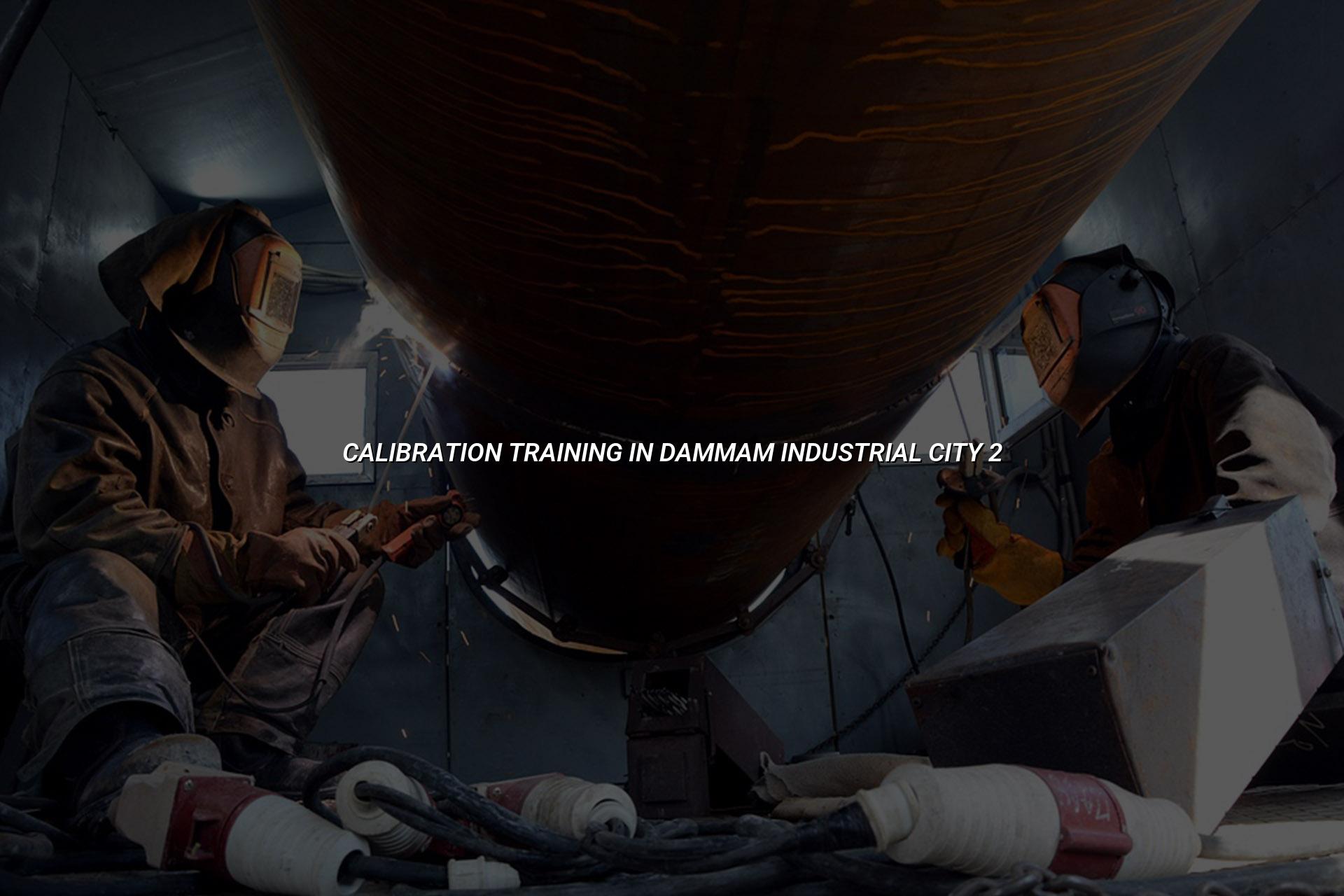
Calibration training in Dammam Industrial City 2 gives your team the practical habits they need to handle instruments correctly, record results cleanly and understand what traceability really means on the shop floor. If you're trying to tighten QA work, reduce avoidable errors and build a stronger in-house calibration culture, this page shows you what the training covers and how it fits industrial work in Saudi Arabia.
We wrote this for engineers, supervisors and maintenance teams who work around process plants, workshops, laboratories and utility systems. In our experience, the best training is the kind people can use the next day, not a theory class that disappears once the slides close.
Calibration training in Dammam Industrial City 2 for plant teams
Calibration training in Dammam Industrial City 2 is most useful when it reflects the equipment your people already touch: pressure gauges, temperature probes, weighing systems, electrical test tools, torque tools and dimensional instruments. We focus on the small details that cause trouble later, such as handling before use, checking the condition of the instrument, reading the resolution correctly and writing down results that can stand up to a client audit or internal review.
Why local industrial teams ask for it
Dammam Industrial City 2 sits close to heavy industry, so the training needs to make sense for oil and gas, petrochemical, power and maintenance environments. Teams there usually want less confusion around certificates, due dates, tolerances and acceptance criteria. They also want technicians who can speak clearly with QA managers instead of guessing their way through a form.
What people usually struggle with
The common gaps are not dramatic. A device gets used outside its range, a record misses the unit of measure, a standard reference is copied incorrectly, or a technician cannot explain why a reading drifted. Those are the kinds of problems we deal with in training, because they show up in real projects across Saudi Arabia and the Middle East.
- Start with the instrument role — identify whether the tool is for process control, maintenance checks, acceptance testing or quality verification.
- Check the condition first — inspect labels, damage, cleanliness, readability and obvious handling issues before any reading is taken.
- Verify the reference chain — confirm the reference equipment, traceability route and document trail before the work begins.
- Record the result properly — write units, ranges, environmental notes and pass or fail status in a way another person can follow later.
- Hands-on examples for pressure, temperature, electrical and mechanical instruments
- Clear guidance on readings, tolerances and basic traceability language
- Useful for technicians, inspectors, maintenance staff and junior QA coordinators
- Built for industrial plants, workshops and laboratories, not classroom theory alone
How the training is usually arranged
| Module area | What your team covers | Typical outcome |
|---|---|---|
| Instrument handling | Safe use, inspection, storage and transport habits | Fewer avoidable damage and handling errors |
| Basic calibration practice | Reference checks, readings, corrections and recording | Cleaner and more consistent results |
| Traceability and records | Certificates, logs, due dates and document control | Better audit readiness and less confusion |
| Industrial application | Examples from plant maintenance, QA and laboratory work | Training that fits real site conditions |
What your team gains from the workshop
The main gain is confidence. A technician who understands the basics of calibration is less likely to misuse a reference tool, misread a scale or leave a record half-finished. That helps QA teams, maintenance planners and procurement people because the paperwork becomes clearer and the discussions become shorter.
Why managers notice the difference
Managers usually see the change in fewer repeat checks and fewer awkward explanations during client visits. They also notice that supervisors start asking better questions about instrument condition, acceptance limits and what needs to be sent for external calibration. In a plant environment, those small habits save time and reduce noise in the system.
Built around industrial reality
We keep the examples close to the kind of work done in Dammam Industrial City 2, from process plants and workshops to service yards and utility rooms. That means your people hear the same terms they already use, and they see how calibration links to maintenance, inspection and quality control.
Things to cover before you book calibration training
If you're planning a session, start by listing the instrument types your team uses most often. That keeps the discussion focused and stops the class from becoming too broad. A workshop for a maintenance crew in a petrochemical plant will look different from one for a laboratory or cold-chain team.
It also helps to gather a few samples in advance. Old certificates, log sheets, tags, damaged instruments and repeated problem cases make the session far more practical. People remember the exact fault they had last month, not a generic example on a screen.
- Share the instrument list before the session so the trainer can prepare relevant examples
- Include QA, maintenance and operations staff together when the same instruments affect all three
- Bring sample records and certificates if you want document-control advice
- Ask for plant-specific examples if your site handles pressure, temperature or electrical testing
How standards fit into the training
We keep the conversation grounded in the standards that matter to your work: ISO/IEC 17025:2017 for calibration and testing competence, ISO 9001:2015 for quality management, BS EN standards for lifting and inspection, and EURAMET CG-15 for electrical calibration references. The training does not turn into a standards lecture, but it does show how those names appear in daily work.
Training without empty theory
That matters because most technicians do not need a wall of clauses. They need to know how the standard affects a label, a certificate, a reference interval or a job sign-off. Once they see that link, the whole process makes more sense.
Useful for in-house and vendor teams
We've seen this work well for client teams who handle everyday checks in-house and send more complex work out for accredited calibration. The training helps both sides speak the same language, which makes job handovers cleaner and audit conversations easier.
How Mayon Industrial Services Can Help
We support teams that need more than a lecture. Along with calibration training, we handle ISO/IEC 17025:2017 calibration work, mechanical services, inspection, electrical testing, orbital welding, lab setup and repair support, so the training can be tied back to actual plant needs. If your site in Dammam Industrial City 2 wants a session that matches the equipment you use every day, we can plan it with you.
Call +91 99447 80844 (India) or +966 59 633 8012 (Saudi Arabia), email services@mayonservices.com, or message us on WhatsApp.
Frequently Asked Questions
Usually, we cover instrument handling, basic measurement practice, traceability, record keeping and the common mistakes that show up in plant work. We also tailor the examples to the equipment your team already uses, so the session stays practical. If you have a mix of maintenance and QA staff, we can shape the content around that split.
Yes. That's usually the best way to do it. If your site relies on pressure gauges, temperature devices, electrical test tools or torque equipment, we build the examples around those instruments instead of using generic classroom cases.
Technicians, maintenance supervisors, QA coordinators and junior engineers are the usual group. If a team shares responsibility for instrument care and records, it helps to train them together so everyone follows the same process. That reduces the back-and-forth later.
Yes, absolutely. We keep the language clear and start from the basics, then move into the bits that matter on site. People new to calibration usually need confidence with terms, records and measurement discipline, and that's where we spend time.
We do. Our work covers India, Saudi Arabia and the wider Middle East, and we support onsite and mobile-lab requirements where the job needs that approach. If your team is split across locations, we can plan accordingly.
Ready to strengthen your calibration team?
If your site in Dammam Industrial City 2 wants training that fits plant work, QA records and day-to-day maintenance, reach out and we'll map the session to your needs.
Contact MayonThe right calibration training helps your team stop guessing and start working with cleaner methods, better records and more confidence on site. Mayon Industrial Services is a steady partner for that kind of work across Saudi Arabia, India and the Middle East.