
Calibration Training in Diriyah
Practical training for engineers and technicians who need better control of calibration work, records, and day-to-day lab decisions.
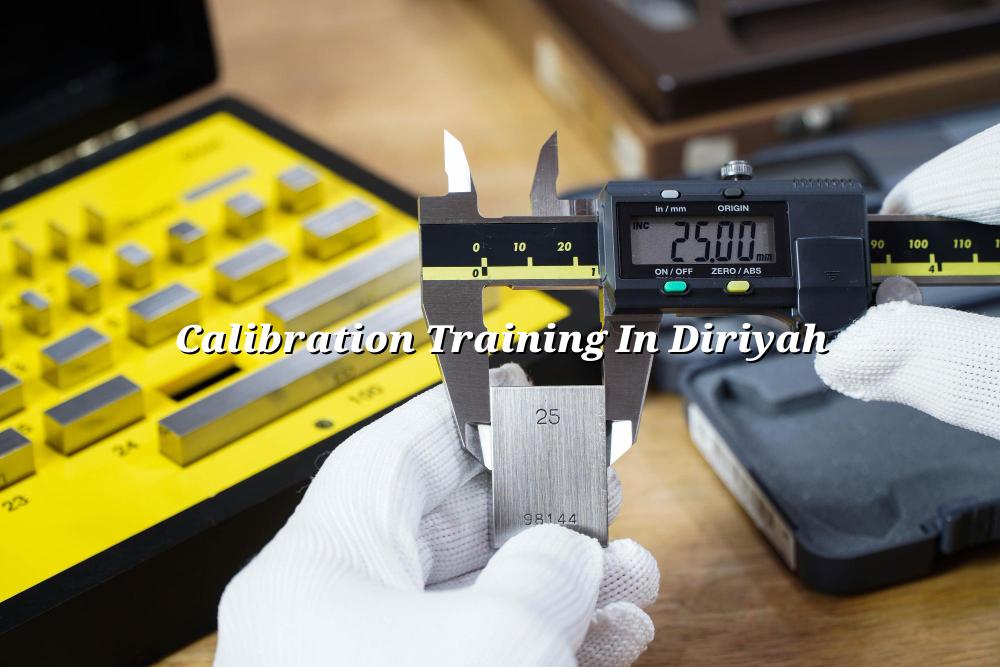
Calibration training in Diriyah helps engineers and technicians get control over the details that usually cause repeat work, missed records, and awkward audit questions. If your team handles test equipment, reference standards, or calibration paperwork, this page shows what good training should cover and how it supports daily work.
We work with industrial teams across Saudi Arabia, India, and the wider Middle East, where clients expect traceable results, disciplined records, and a clear method that fits ISO/IEC 17025:2017 thinking. In our experience, the best sessions are hands-on, not theoretical, because people remember what they actually touch and measure.
Why Calibration Training in Diriyah Matters
Calibration work looks simple from the outside. Measure, compare, record, issue a result. In practice, the weak points show up fast: wrong range selection, unstable environmental conditions, poor handling of standards, unclear acceptance criteria, or a certificate that does not tell the next technician what happened. Good training fixes those habits before they become expensive problems.
What your team actually learns
Our calibration management techniques workshops are built for engineers, QA staff, and technicians who need to understand the full flow, not just one instrument type. We cover the logic behind reference equipment, traceability, uncertainty awareness, checks before use, and how to protect results from avoidable errors. That matters in Diriyah and across Riyadh because many teams support oil & gas, power, construction, cold-chain, and manufacturing sites where downtime is never welcome.
Classroom ideas, workshop habits, and lab discipline
We keep the language plain. People learn how to read a certificate, what to check before accepting an instrument, how to log deviations, and why a clean setup helps the data. We also talk through common mistakes we see in the field, like skipping warm-up time, mixing up units, or sending a device for calibration without first checking whether it needs repair. Those small steps save real time.
- Review the instrument history — confirm the device type, last calibration date, and any field issues before testing starts.
- Set up the right environment — check temperature, cleanliness, vibration, and power stability so the measurement isn't fighting the room.
- Choose the correct method — match the procedure, reference standard, and test points to the instrument range and use case.
- Record with discipline — capture readings, corrections, and pass or fail decisions clearly enough for the next person to follow.
- Close the loop — report abnormalities, flag repair needs, and update the calibration plan so the same issue doesn't return.
- Useful for technicians who handle pressure, electrical, thermal, or dimensional instruments.
- Helps QA teams read certificates and spot missing traceability details.
- Supports supervisors who need cleaner records for audits and customer reviews.
- Works well for sites that run mixed fleets of portable and installed instruments.
- Fits teams that need a practical refresher before a project, shutdown, or internal review.
Training Areas We Usually Cover
| Topic | What Participants Learn | Typical Workplace Benefit |
|---|---|---|
| Calibration basics | Traceability, reference standards, and reading certificates correctly | Fewer acceptance mistakes at receiving and issue stages |
| Instrument handling | Warm-up, range selection, setup checks, and safe movement of standards | Less damage, fewer false readings, and better repeatability |
| Record keeping | Log sheets, corrections, and result documentation that others can follow | Cleaner audit trails for ISO/IEC 17025:2017 aligned work |
| Decision making | Pass/fail logic, out-of-tolerance handling, and escalation for repair | Faster action on faulty instruments and less production disruption |
How the Training Helps Your Lab and Maintenance Team
When people understand the process behind calibration, they make better decisions on the floor. That shows up in quicker fault finding, less confusion during handover, and more confidence when someone asks why a result was accepted or rejected. For industrial teams in Diriyah, that often means fewer delays before commissioning, fewer gaps during shutdown planning, and a cleaner link between maintenance and quality control.
Where the benefit shows up first
The first visible change is usually in the paperwork. Then the equipment handling improves. After that, the team starts asking better questions about standards, environmental conditions, and whether an instrument should be calibrated, repaired, or withdrawn from use. That shift is small at first, but it changes the whole maintenance culture.
Training that fits real industrial work
We keep the sessions practical for plants, labs, and service teams that support oil & gas, petrochemical, power, healthcare, pharmaceutical, cold chain, food & beverage, manufacturing, and engineering projects. If your team uses pressure comparators, temperature baths, dead weight testers, or electrical references, the discussion stays grounded in those tools.
Onsite Workshops, Lab Sessions, or a Mix of Both?
Some clients want a session in their own facility so the team can train on the same benches, instruments, and routines they use every day. Others prefer a lab-based setting where distractions are lower and the reference setup is easier to explain. We can support both approaches, and the best choice depends on how your people work, what instruments they handle, and whether the goal is refresher training, new-hire onboarding, or a management-level review.
In Saudi Arabia, this is especially useful for businesses that split time between field work and central workshops. A maintenance engineer in Dammam may need a different emphasis from a calibration technician in Diriyah, even if both touch the same asset register. We tailor the session so it feels familiar rather than generic.
- Onsite sessions for live equipment and local procedures
- Lab sessions for tighter control of setup and discussion
- Refresher training before audits, shutdowns, or project handover
- Practical guidance for teams new to calibration records and traceability
How Mayon Industrial Services Can Help
We run calibration management techniques workshops for engineers and technicians who want a more disciplined way to handle equipment, records, and decisions. If your team also needs calibration, inspection, mechanical services, lab setup, or repair support, we can connect the training to the work you actually do on site. That makes the lesson stick, and it makes the process easier to use the next day.
Call +91 99447 80844 (India) or +966 59 633 8012 (Saudi Arabia), email services@mayonservices.com, or message us on WhatsApp.
Frequently Asked Questions
It usually covers calibration basics, traceability, proper handling of standards, certificate reading, and how to record results correctly. We also talk about common mistakes we see in real workshops, because that part tends to stick better than theory alone.
Yes, we can. Onsite training works well when your team needs to learn on the same instruments, benches, and paperwork they use every day. It keeps the discussion practical and makes it easier to tie the lesson to your site procedures.
It does. We don't turn the session into a standards lecture, but we do explain the parts people need to follow in day-to-day work: traceability, records, handling of standards, and clear result reporting. That helps teams support a more controlled calibration system.
Engineers, calibration technicians, QA staff, maintenance supervisors, and anyone who approves or uses calibration results can benefit. In many plants, the biggest gains come when both the technical team and the decision-makers attend the same session.
Yes. We support clients across Saudi Arabia, India, and the Middle East, including industrial sites that need both onsite and lab-based support. If your team is split across locations, we can shape the session around that reality.
Ready to strengthen your calibration team?
If you need training that fits the way your technicians actually work, talk to Mayon Industrial Services and start with a practical conversation.
Contact Mayon