
Calibration Training in Madina
Practical training for engineers and technicians who need clearer calibration records, better lab habits and stronger field discipline.
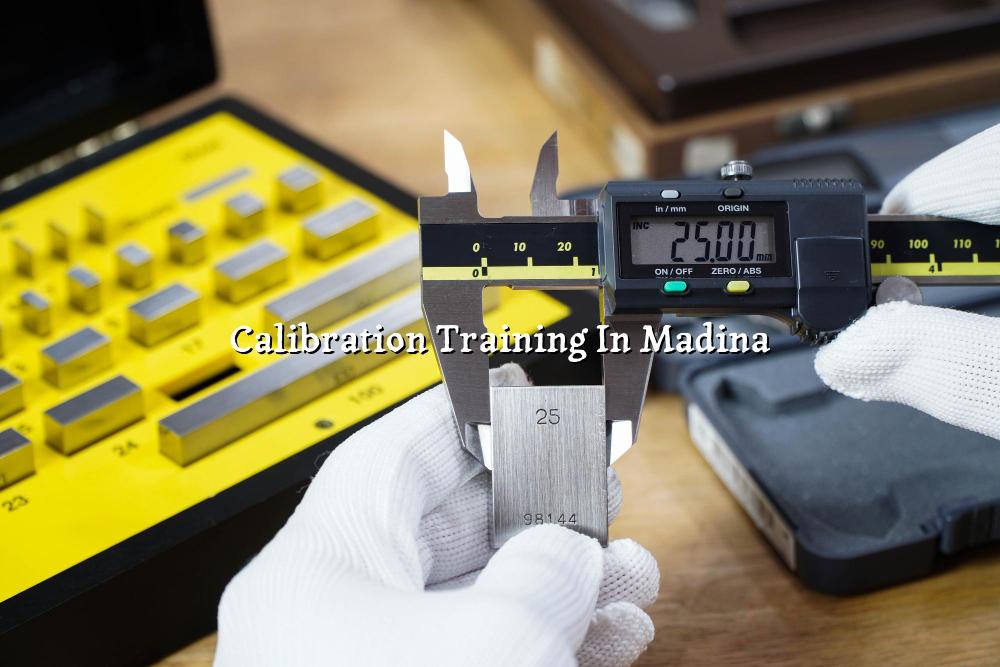
Calibration training in Madina helps your engineers and technicians handle instruments with more confidence, cleaner records and fewer repeat checks. If your team works with pressure gauges, temperature devices, torque tools or electrical standards, this page shows what practical training should cover and how it fits real industrial work.
We write this from day-to-day experience with factories, maintenance teams and QA groups across India, Saudi Arabia and the Middle East. In Madina and nearby industrial zones, the need is usually simple: people want training that matches ISO/IEC 17025 thinking, but still makes sense on the shop floor.
Calibration Training in Madina for Practical Lab Skills
A good calibration course is not just theory on a projector screen. Your team should learn how to read standards, check instrument condition before use, record environmental conditions, follow traceability discipline and spot mistakes before they become bad certificates. That matters in plants, service workshops and mobile jobs where instruments move between the site, the lab and the store.
Why companies ask for hands-on practice
Most managers who call us are not looking for a classroom certificate only. They want technicians who can handle zero checks, verify readability, identify drift, file reports properly and understand why a missed entry can spoil the whole job. In a real calibration room, one sloppy label or one wrong reference number can create more trouble than the measurement itself.
What your team learns on the floor
Our style of training is practical. We talk through instrument care, reference standards, basic uncertainty awareness, repeatability, as-found and as-left thinking, and how to keep work aligned with ISO/IEC 17025:2017 practice. When needed, we also connect the training to electrical calibration discipline under EURAMET CG-15, especially for teams dealing with multifunction meters, CT-related checks or related electrical work.
- Start with the instrument list — we review the actual items your team handles, such as pressure gauges, thermometers, balances, torque tools or electrical test gear.
- Check the current workflow — we look at how your staff receives, tags, cleans, stores and releases instruments before any training begins.
- Teach the measurement basics — the team learns reference selection, reading methods, acceptance limits and simple error checks using real examples.
- Practice reporting and records — we show how to write clearer logs, keep traceability in order and avoid the common mistakes that slow audits.
- Review with a live discussion — we close with questions from your technicians, because that is usually where the useful problems come out.
- Use your own instruments during training whenever possible.
- Keep the course tied to the same standards your audit team already expects.
- Include both lab staff and field technicians if the work moves onsite.
- Cover recordkeeping, not just the measurement step.
- Ask for examples from pressure, electrical and dimensional jobs, not generic slides.
Training Topics to Match Real Industrial Work
| Training area | Typical focus | Useful for |
|---|---|---|
| Instrument handling | Cleaning, storage, labelling and pre-use checks | Technicians who receive and issue tools daily |
| Calibration method basics | Reference selection, readings, tolerances and repeat checks | Lab teams working with pressure, thermal or mass devices |
| Electrical discipline | Traceability, test setup and reading checks under EURAMET CG-15 practice | Teams handling electrical standards and test gear |
| Reporting and records | Entries, sign-off, instrument status and audit-ready files | QA staff, supervisors and calibration coordinators |
Why ISO/IEC 17025 Thinking Matters in Madina
Teams in Madina often support food plants, maintenance shops, logistics sites and process facilities that cannot afford loose measurement habits. Training linked to ISO/IEC 17025:2017 helps people understand traceability, suitable methods and cleaner documentation, even if they are not running a full lab every day.
For auditors, supervisors and technicians
What usually makes the difference is consistency. A technician who knows how to check the reference, note the environment and keep the status label correct will save everyone time later. We also find that small teams benefit a lot from training because one person often does receiving, testing, report prep and dispatch all in the same shift.
Built for labs, plants and service crews
Training works best when it matches the actual worksite. That may be a temperature-controlled lab, a mobile calibration van, or a maintenance bay where equipment has to go back into service after inspection. We keep the discussion grounded in those settings, not in textbook examples that nobody uses later.
What Your Team Should Be Able to Do After the Session
Read instruments properly
Staff should know how to take stable readings, avoid parallax errors where they matter, and note the actual value without guessing.
Prepare jobs cleanly
That means checking condition, matching serial numbers and confirming the right reference gear before the work starts.
Write clearer records
Good notes should show what was used, what was found and what status the item had when it left the bench.
Spot field issues early
Technicians learn to catch damaged leads, unstable readings, worn connectors and basic handling faults before they spread.
How Mayon Industrial Services Can Help
We train teams that need more than a slide deck. If your people also need calibration services, mechanical support, inspection, orbital welding, lab setup or repair work, our team can connect the training to the way your site actually runs. That gives your staff a clearer path from theory to daily practice.
Call +91 99447 80844 (India) or +966 59 633 8012 (Saudi Arabia), email services@mayonservices.com, or message us on WhatsApp.
Frequently Asked Questions
It usually covers instrument handling, reference checks, reading methods, recordkeeping and basic traceability discipline. If your team works with pressure, thermal, mass or electrical tools, the course should use those examples instead of generic theory. That way the learning sticks when the technicians go back to the bench or the site.
Yes. Field technicians often need better habits on receiving, storing, checking and returning equipment, while lab staff need stronger method and record discipline. When both groups hear the same language, jobs move faster and there are fewer arguments about instrument status.
Yes, and that is usually the best way to do it. We keep the discussion focused on traceability, method discipline, documented records and the kind of habits that support ISO/IEC 17025:2017 work. We do not turn it into legal jargon; we keep it practical.
We can. For teams working with electrical test equipment, we cover the basics of safe setup, reading checks and traceability awareness, and we can bring in EURAMET CG-15 related thinking where it fits. That helps teams handling electrical standards keep their work cleaner and more consistent.
Yes. We support clients from our India head office in Chennai and from Dammam Industrial City 2 in Saudi Arabia through our local setup. If your team needs onsite learning, we can align the session to your actual instruments and work environment.
Ready to build stronger calibration habits?
If your team in Madina needs training that is practical, clear and tied to real industrial work, we’re ready to talk.
Contact Mayon