
Calibration Training in Qassim
Practical training for teams that need better calibration control, cleaner records and stronger day-to-day decisions in plant and lab work.
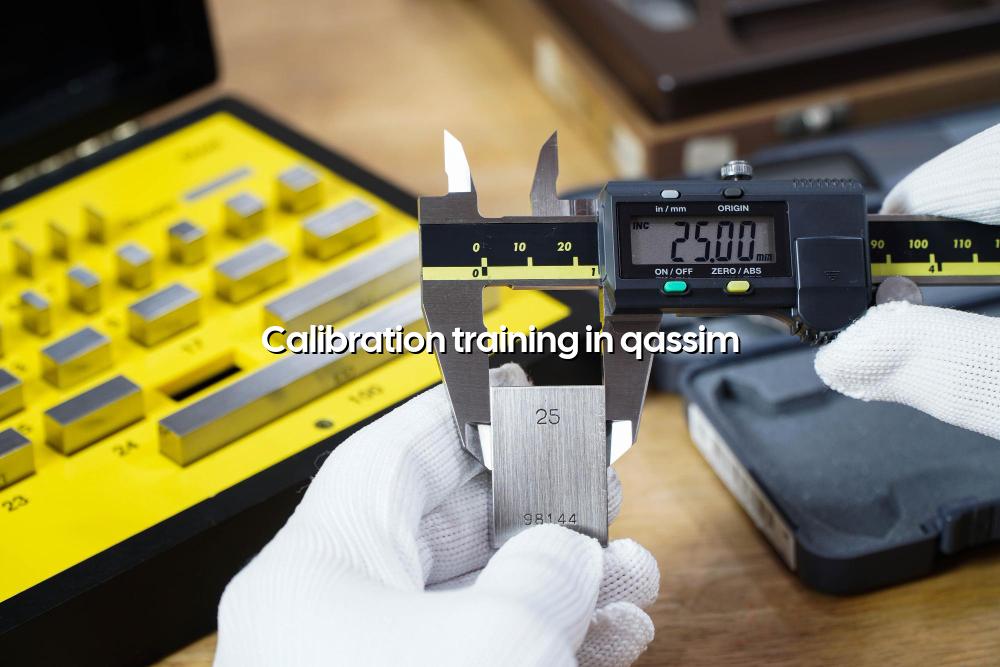
Calibration training in Qassim helps your team handle instruments with more confidence, fewer mistakes and better records. We focus on the work people actually do on the shop floor, in maintenance rooms and in calibration areas, so the training feels useful the moment they get back to work.
At Mayon Industrial Services, we teach from real industrial experience across Saudi Arabia, India and the Middle East. That means your engineers and technicians learn how calibration decisions affect production uptime, quality checks, audit readiness and traceability in environments like oil & gas, power, cold chain and manufacturing.
Calibration Training in Qassim for Real Jobsite Use
Most teams that ask for calibration training in Qassim are not looking for theory alone. They want staff who can check instrument condition properly, understand traceability, read certificates without guessing, and keep a clean chain of records for ISO/IEC 17025:2017-aligned work. That is the gap we try to close.
What your team learns first
We start with the basics that affect everyday work: instrument identification, suitability of the reference standard, environmental checks, handling errors, and the difference between calibration, verification and adjustment. People often know one or two of these terms, but they do not always apply them consistently. That inconsistency is where bad records begin.
Why the training matters in Qassim operations
Qassim has a strong mix of manufacturing, utilities, logistics and service work, and many sites run on tight maintenance windows. In that setting, a technician who understands calibration management can save time, avoid repeat work and spot a failing instrument before it disrupts production. We also cover how this fits with Saudi industrial expectations and the kind of documentation teams usually need for internal audits and vendor reviews.
- Start with the instrument list — we group equipment by type, range, criticality and where it is used so the team stops treating every device the same.
- Check traceability paths — participants learn how reference standards connect back to valid calibration records and why that matters for audit confidence.
- Review the certificate details — we show how to read results, uncertainty, pass-fail notes and due-date fields without missing the small items.
- Build a control routine — the team leaves with a practical method for labeling, storage, handling, recall planning and escalation when an instrument drifts.
- Useful for QA, maintenance and store teams, not only lab staff.
- Built around industrial instruments used in plants, workshops and site offices.
- Supports better document control for ISO/IEC 17025:2017-based systems.
- Helps teams reduce repeat calibration mistakes and avoid poor handover notes.
What a Practical Calibration Training Session Usually Covers
| Topic | What It Covers | Why It Helps Your Team |
|---|---|---|
| Traceability basics | How reference standards and records connect to valid calibration work | Gives staff a cleaner way to explain results during audits |
| Instrument handling | Storage, transport, warm-up, cleaning and visual checks before use | Reduces damage, drift and avoidable rejects |
| Certificate reading | Ranges, tolerances, uncertainty notes and due-date information | Helps people make better go / no-go decisions |
| Calibration control | Tagging, recall planning, status control and escalation steps | Keeps plant records organised and easier to defend |
How the Training Fits ISO/IEC 17025 and Plant Practice
Good calibration training should not stop at definitions. It should help your team understand why environmental conditions, reference quality, uncertainty and record keeping all matter. We keep the discussion grounded in ISO/IEC 17025:2017, ISO 9001:2015 and EURAMET CG-15 where electrical calibration knowledge is involved, while still speaking in plain language.
Why supervisors like it
Supervisors usually want fewer callbacks, fewer gaps in paperwork and fewer surprises when a manager asks for evidence. That is why we spend time on practical examples, such as pressure gauges used around compressors, thermometers in cold storage, multimeters in maintenance kits and torque tools in shutdown work. It gives people something real to hold onto.
Training That Matches Industry Reality
We shape sessions for teams in oil & gas, petrochemical, power, construction, healthcare, pharmaceutical, cold chain, food & beverage, manufacturing and engineering. That means the examples are close to the work your people already do, which makes the lesson easier to keep and easier to apply.
Who Benefits Most from Calibration Management Training
Maintenance teams
They handle the instruments that get used every day, so they need to know what to inspect, what to record and when to stop using a device until it is checked.
QA and QC staff
They are often asked to defend calibration status during audits, customer visits and internal reviews. Training helps them speak with more confidence and less guesswork.
Plant and lab supervisors
They need a clear process for scheduling, review and escalation. The session gives them a better structure for making those decisions without slowing the job down.
How Mayon Industrial Services Can Help
We run calibration work, condition monitoring, inspection services, lab design and setup, mechanical services, orbital welding and training, so our sessions are shaped by what actually happens in industry. If your Qassim team needs help with calibration discipline, record control or practical understanding of instruments, we can build the training around your site realities and service mix. Get in touch and we will help you plan the next step.
Call +91 99447 80844 (India) or +966 59 633 8012 (Saudi Arabia), email services@mayonservices.com, or message us on WhatsApp.
Frequently Asked Questions
It is practical training for people who handle, check or manage measuring instruments at site or in a lab. We cover traceability, record control, basic certificate reading and the day-to-day habits that keep calibration work clean.
Maintenance engineers, QA/QC staff, supervisors and instrument custodians usually benefit the most. They are the people who see the instruments every day, so they also see the mistakes first.
Yes. We explain the parts of the certificate and process that people actually use, such as traceability, uncertainty, status control and handling of out-of-tolerance results. The goal is to make the paperwork easier to understand and use.
Yes, we support clients in Saudi Arabia from Dammam Industrial City 2 and work with projects across India and the Middle East. We can align the session with your site type, instrument mix and internal procedures.
Honestly, yes. A lot of calibration mistakes happen outside the lab, during handling, storage, use or handover. When technicians understand the basics, the whole process becomes easier to control.
Ready to Train Your Team Properly?
If you want calibration training in Qassim that speaks to real plant work and cleaner records, talk to Mayon Industrial Services and we will help you map the right session.
Contact Mayon