
Calibration Training in Khurais
Practical training for technicians who handle instruments, records and lab discipline in Khurais and nearby Saudi industrial sites.
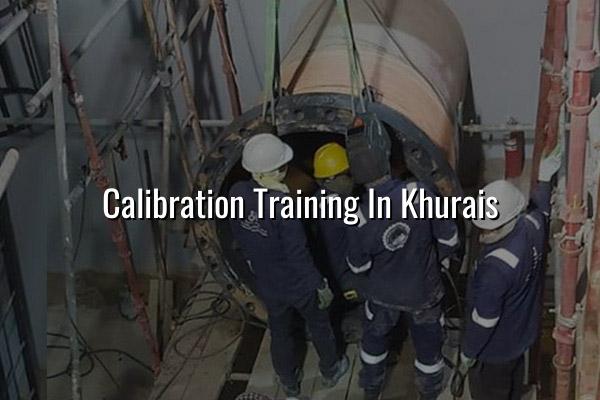
Calibration training in Khurais is for teams who need fewer mistakes, cleaner records and better control of instruments on site. If you're handling gauges, thermometers, pressure instruments or electrical references, this page shows how structured training helps your team work with more confidence and fewer surprises.
We see a similar pattern in Saudi industrial work every time: the instrument itself is only part of the story. The bigger issue is how people receive, check, label, store and document it. That matters in Khurais, in Dammam, and across oil & gas, power, maintenance and cold-chain operations where ISO/IEC 17025 discipline is expected and practical habits save time later.
Why calibration training in Khurais matters for site teams
When a site team understands calibration basics, the work gets steadier. People stop mixing up verification, calibration and adjustment. They also start spotting issues earlier, like a damaged seal on a pressure gauge, an out-of-date label, or a thermometer that's been stored badly before use. In our experience, those small habits make the biggest difference for maintenance planners, QA leads and instrument custodians.
What your team should know first
The first part of any useful training is simple: teach people how instruments move through the workplace. Receipt, identification, use, return, cleaning, status tagging and storage all matter. For an oil field support team around Khurais, that may mean pressure gauges, temperature indicators, torque tools, multimeters or vibration-related checks used during maintenance shut-downs. For a warehouse or cold-chain team, the same discipline applies to data loggers and temperature probes.
Why records matter as much as measurements
Good training doesn't stop at the bench. It also covers certificates, traceability, recall dates, environmental conditions and acceptance criteria. That's the practical side of ISO/IEC 17025 work. People need to know what to file, what to reject, what to escalate and when to quarantine an instrument. If you're responsible for a lab or a workshop in Saudi Arabia, that record trail often decides whether the next audit feels calm or messy.
- Map the instrument flow — list what comes in, where it is used, who controls it and how it returns.
- Set status rules — train staff to read labels, expiry dates and condition tags before any use.
- Practice core checks — show how to inspect damage, cleanliness, drift signs and record completeness.
- Link findings to action — teach when to continue, when to isolate and when to send an item for calibration or repair.
- Close the loop — review mistakes, file the evidence and update the team so the same issue doesn't repeat next week.
- Keep one person accountable for each instrument group, even in a small workshop.
- Train teams to reject damaged labels, unreadable serial numbers and missing traceability data.
- Build a short pre-use checklist for gauges, thermometers and electrical references.
- Store instruments away from heat, moisture and rough handling after training, not just during it.
- Use real site examples from Khurais, Dammam Industrial City 2 or your maintenance yard so the lesson sticks.
Typical topics covered in calibration training sessions
| Module | What the team learns | Typical site use |
|---|---|---|
| Instrument control | How to tag, issue, return and quarantine equipment | Maintenance stores, QA rooms and site tool cribs |
| Basic calibration practice | How readings, tolerance and repeatability are checked | Pressure, temperature, torque and electrical instruments |
| Documentation | How to read certificates, traceability notes and status records | Audits, internal checks and vendor follow-up |
| Environmental care | How heat, humidity and rough handling affect measurement quality | Saudi outdoor sites, workshops and mobile teams |
| Decision making | When to keep using, send for calibration, or remove from service | Shutdowns, inspections and planned maintenance |
Training that fits Khurais conditions and site routines
Khurais sits inside a working industrial environment where teams deal with shifts, heat, time pressure and mixed equipment types. That means training has to stay practical. We focus on the day-to-day issues people actually face: reading a certificate correctly, handling an instrument after field use, checking if a device is fit for service and knowing what to do when the answer is no.
Why this approach works on real jobs
People remember what they can use the same day. So we keep the examples tied to site realities like pressure gauges on pumps, thermometers in cold rooms, torque tools in mechanical work and electrical instruments used during testing and commissioning. That is the kind of learning that helps during shutdowns, audits and routine maintenance alike.
Who should attend?
Calibration technicians, instrument technicians, maintenance supervisors, QA staff, storekeepers and engineers who sign off tools all benefit from the same baseline. If your team handles ISO/IEC 17025 controlled instruments, a shared understanding prevents a lot of avoidable back-and-forth later.
From theory to hands-on calibration management
Our calibration management workshops are designed for engineers and technicians who need more than a slide deck. We talk through instrument control, traceability, environmental influence and the human errors that cause rework. That includes the boring-looking details, because those are usually the ones that fail first in real jobs.
Hands-on examples help people remember
We often use instruments common to oil & gas, manufacturing, healthcare support and cold-chain work. That makes the session feel relevant instead of generic. A technician who understands why a pressure instrument was rejected in the morning is far more likely to inspect the next one properly before it goes back to service.
What a good training outcome looks like
At the end of training, your team should be able to speak the same language about status, traceability and acceptance. That saves time during audits, keeps instruments moving properly and reduces avoidable callouts for rechecks.
How Mayon Industrial Services Can Help
We run calibration management training for teams that need practical, site-ready knowledge rather than classroom theory alone. Alongside that, we support the same customers with calibration services, inspection, mechanical work, electrical testing and commissioning, temperature mapping, lab setup and repair work. If your team in Khurais wants a better grip on instrument control, we can build the conversation around the equipment you actually use.
Call +91 99447 80844 (India) or +966 59 633 8012 (Saudi Arabia), email services@mayonservices.com, or message us on WhatsApp.
Frequently Asked Questions
Most teams need a mix of instrument handling, basic calibration concepts, certificate reading and record control. We usually tailor the content to the tools on your site, so the session stays relevant to your work rather than staying generic.
Technicians, engineers, QA staff, maintenance supervisors and storekeepers usually benefit the most. If they touch instrument issue, return, tagging or sign-off, they should be in the room.
Yes. We often build examples around field instruments, maintenance routines, turnaround work and the recordkeeping that site teams in Saudi industrial environments deal with every day. That keeps the training practical for real operations.
It does, because people get clearer on traceability, acceptance, status control and record handling. Audits usually go better when the team can explain what was done and why without guessing.
We can discuss onsite sessions for Saudi teams, including Khurais-linked operations and our Dammam Industrial City 2 base through SMC Engineering Services / Sixfaces Maintenance Co. If onsite is not the best fit, we can also plan the training around your operational schedule.
Ready to train your team properly?
If calibration training in Khurais needs to be practical, site-aware and tied to real instruments, we're ready to help you shape it around your work.
Contact Mayon