
Calibration Training in NEOM
Practical training for engineers, technicians and QA teams who need reliable calibration practices on site.
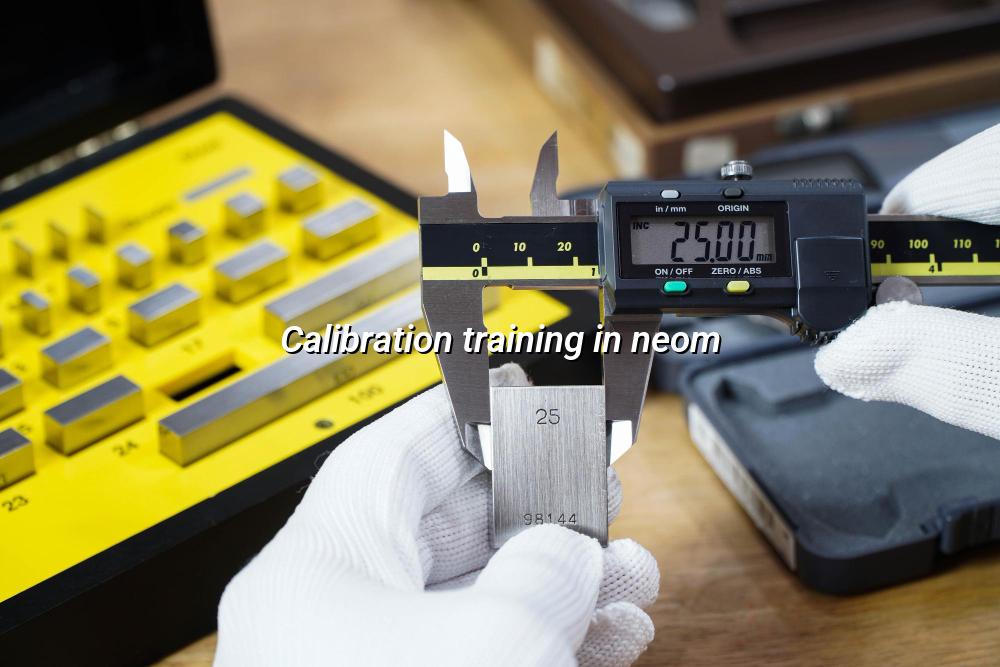
Calibration training in NEOM is for teams that need more than a slide deck. You get practical guidance on how to handle instruments, record results, spot drift and keep your traceability chain clean when the work has to stand up to audit and handover review.
We write this for engineers, maintenance supervisors and QA people working around new-build industrial sites, labs and utilities in Saudi Arabia. In our experience, the biggest gap is rarely the instrument itself; it's the consistency of the people using it, especially when calibration records must fit ISO/IEC 17025:2017 expectations.
Calibration Training in NEOM for Real Industrial Teams
The topic usually comes up when a plant team is expanding fast and the instrument list is growing faster than the procedures around it. A good session should cover calibration principles, uncertainty awareness, instrument care, record keeping and the difference between a quick functional check and a traceable calibration result. That matters in NEOM-linked projects, where mechanical packages, utilities, cold rooms and power systems all depend on reliable measurement.
What your team should actually learn
We focus on the practical side. Your technicians should know how to identify the range, resolution and allowable error of a device, how to read certificates, and how to decide when an instrument must be taken out of service. If you run pressure gauges, temperature devices, torque tools, weighing equipment or electrical test gear, the training needs to speak the same language your workshop uses every day.
Why records matter as much as the reading
Most audit issues start with a missing detail, not a bad measurement. A clear calibration record should show the instrument ID, reference used, as-found condition, as-left condition, date, technician name and any limitation on use. We also teach teams how to avoid the common trap of copying old forms without checking whether the actual field practice has changed.
- Start with the instrument list — group devices by pressure, electrical, thermal, mechanical or biomedical use so the team trains on the equipment they really touch.
- Check the current procedure — compare your work instruction with ISO/IEC 17025:2017 style traceability and your internal quality flow.
- Run a live demonstration — show set-up, stabilisation, reference selection, recording and acceptance decision on actual instruments.
- Close with record review — inspect sample certificates and log sheets so the team can spot gaps before they reach a client or auditor.
- Useful for technicians who handle gauges, meters, thermometers and torque tools
- Fits workshop, site and lab teams that need the same method every time
- Helps reduce certificate errors, rework and equipment misuse
- Supports internal quality systems without forcing theory that nobody uses in the field
Typical Calibration Topics for NEOM Project Teams
| Discipline | What the training covers | Typical field use |
|---|---|---|
| Pressure | Gauge checks, reference selection, leak checks and safe connection practice | Hydrotest systems, utilities and process skids |
| Thermal | Probe placement, stabilisation, temperature mapping basics and error control | Cold rooms, freezers, chambers and reefer equipment |
| Electrical | Meter handling, lead inspection, test setup and documentation discipline | Panels, relays, CTs, breakers and commissioning work |
| Mechanical | Torque tool care, dimensional checks and wear awareness | Maintenance shops, rotating equipment and fabrication areas |
How the Training Supports ISO/IEC 17025 Work
Even if your site is not running an accredited lab, the habits from ISO/IEC 17025:2017 still help. The training makes your team think about traceability, controlled references, environmental conditions and documented decisions. That is useful in Saudi industrial projects where clients ask hard questions about where the numbers came from and who checked them.
Practical habits that stick
We keep it grounded in daily work. For example, a technician learns to reject a damaged lead, confirm the reference label before use, and pause when the environmental condition is outside the procedure. Those are small actions, but they prevent a lot of expensive confusion later. In a busy site, that matters more than polished theory.
Built for site reality
Our sessions can be shaped around your actual instruments, your paperwork and your project schedule. If your team works across head office stores, workshop bays and mobile service points, we can build the lesson around the same flow so nobody leaves with advice they cannot use on Monday morning.
What a Good Training Session Usually Includes
A sensible session starts with the tools your people already use. We normally review the instrument types first, then move into reference standards, acceptance criteria and the paperwork trail. If your team wants it, we can also include a short segment on calibration management techniques so supervisors can plan intervals, isolate out-of-tolerance items and keep the asset register under control.
For NEOM-related work, the value is often in consistency across sites. One team may be handling commissioning checks, another may be maintaining plant utilities, and a third may be working with cold-chain equipment. Training keeps the method aligned, even when the jobs look different.
We also talk through the mistakes people make when they rush. Swapped probes, unverified references, unreadable labels and incomplete certificates create more trouble than most teams expect. If your supervisors have been chasing repeat issues, a focused refresher can reset the habit without pulling the whole department out of work for long.
And if you need a fuller setup, Mayon can support the training with calibration services, lab design, mechanical services, temperature mapping, electrical testing and even inspection work for lifting equipment and PPE.
How Mayon Industrial Services Can Help
We train engineers and technicians who need practical calibration habits, not classroom theory. If you want the learning tied to your own instruments, we can connect it with our calibration services, lab setup work, condition monitoring and electrical or mechanical support. That gives your team a cleaner path from training to daily use.
Call +91 99447 80844 (India) or +966 59 633 8012 (Saudi Arabia), email services@mayonservices.com, or message us on WhatsApp.
Frequently Asked Questions
It is practical training that teaches your team how to handle instruments, read references, record results and keep traceability in place. We usually build it around the actual assets on site, so the lesson feels close to the work instead of being generic classroom material.
Yes. We cover common industrial disciplines such as pressure gauges, electrical meters, temperature devices and mechanical tools, and we can shape the session around the instruments your team uses most often. That keeps the training useful for workshop and site staff alike.
It helps your team understand the habits that support traceability, controlled references and clear records. That does not replace a quality system, but it does make day-to-day calibration work much easier to keep clean and consistent.
Yes. We support clients from India and Saudi Arabia and work across the Middle East region where industrial projects need practical calibration support. If your team is based in Dammam Industrial City 2 or elsewhere in the region, we can discuss the right format for your site.
Honestly, that is where many clients want support next. We can help with calibration services, lab design and setup, mechanical services, electrical testing and related industrial work, so the training connects to real follow-up action instead of ending as a one-off session.
Ready to build calibration habits your team can use?
If you need training that fits your site, your instruments and your paperwork, talk to Mayon and we’ll help you set the right plan.
Contact Mayon