
Calibration Training in Jeddah
Practical training for technicians, engineers and QA teams who need confident calibration work on real instruments.
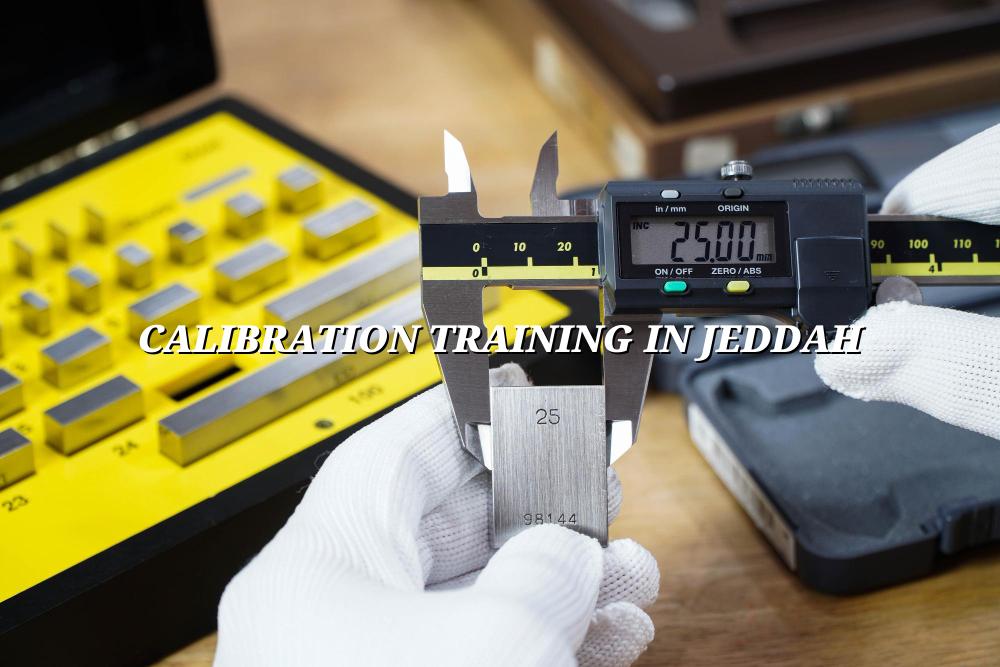
Calibration training in Jeddah helps your team build hands-on skill with instruments, traceability, and the paperwork that sits behind every reliable certificate. If you're a maintenance lead, QA manager, or technician, this page shows what good training should cover and how to choose a program that actually helps at work.
We write from real industrial experience across Saudi Arabia, India, and the wider Middle East. In Jeddah, that usually means teams working around petrochemical assets, utility plants, cold-chain facilities, manufacturing lines, and service workshops where calibration errors can stop a job fast.
Calibration Training in Jeddah for Real Site Conditions
Calibration training in Jeddah is not just about learning how to read a display or fill a log sheet. The better programs teach how to check instrument condition, choose the right reference standard, understand tolerance, capture uncertainty, and keep records that hold up during audits. That matters in Saudi operations where teams often handle mixed fleets of pressure gauges, torque tools, thermometers, electrical testers, and dimensional instruments in one day.
What your team should learn first
The basics come before the fancy parts. A good class should start with instrument identification, environmental control, reference handling, and simple error sources such as drift, damaged seals, unstable power, or poor storage. We've seen teams in the field improve quickly when they first learn how to spot a bad set-up before the reading goes wrong.
Why the paperwork matters too
Training should also cover calibration records, traceability, and how reports link back to ISO/IEC 17025:2017 thinking. That's the part many technicians skip until an audit or a customer complaint forces the issue. Once your people understand how a result becomes defensible, they start asking better questions in the workshop and on site.
- Start with the instrument family — group the tools your team actually uses, such as pressure, temperature, torque, electrical, or dimensional items.
- Check the working environment — note temperature, vibration, dust, and power stability before you test or calibrate anything.
- Practice the method step by step — measure, compare, record, and review the result against the accepted tolerance or specification.
- Close with documentation — file the data, identify out-of-tolerance findings, and make sure the report is usable for QA and maintenance follow-up.
- Ask for training that uses real instruments from your plant, not only slides.
- Make sure the trainer explains traceability in plain language.
- Include common device groups like gauges, thermometers, multimeters, and torque tools.
- Check whether the course covers uncertainty, not just pass/fail checks.
Training Topics and What They Usually Cover
| Topic | What the team practices | Typical site use |
|---|---|---|
| Pressure calibration | Gauge selection, comparison checks, leak awareness, and stable reading capture | Process lines, utilities, hydraulic systems, and test benches |
| Temperature calibration | Probe handling, bath or dry-block checks, and control of ambient conditions | Cold rooms, freezers, ovens, chambers, and reefer support |
| Electrical calibration | Measurement setup, reference use, and disciplined record keeping for test equipment | Maintenance shops, commissioning teams, and electrical QA |
| Mechanical and torque tools | Tool condition, torque application, and repeatable test practice | Flange work, assembly, shutdown support, and fabrication areas |
What Makes Good Calibration Training Useful?
Useful training feels practical from the first hour. People should leave knowing how to protect a reference standard, how to spot a damaged instrument before it enters the test area, and how to keep the chain of data clean enough for internal review. That is especially valuable in Jeddah and other Saudi industrial zones, where teams often work under pressure and have to move fast without losing control.
Keep the learning tied to your own work
We usually advise companies to train around their own asset list. If your site handles temperature mapping for cold-chain storage, then let the session touch on probes, loggers, acceptance criteria, and record review. If your workshop is heavy on pressure or torque tools, the course should spend more time there and less time on general theory.
Why managers ask for this training
Most managers tell us the same thing: they want fewer repeat checks, fewer disputes over results, and a team that can explain what was done without guessing. Training helps build that habit, and it makes later outsourcing or in-house calibration work much easier to manage.
Where the Training Shows Up on Site
Cold-chain and food facilities
Teams need to trust temperature readings in cold rooms, warehouses, and reefer vehicles. When the probes and loggers are handled correctly, the records become easier to defend during customer checks.
Electrical maintenance shops
Technicians working on testers, relays, and commissioning tools benefit from a cleaner method and better documentation. That reduces confusion when the same instrument moves between jobs.
Oil & gas and petrochemical work
Pressure, torque, and dimensional checks all need discipline. In those environments, even small handling mistakes can cause delays during shutdowns or commissioning.
How Mayon Industrial Services Can Help
We run calibration management workshops for engineers and technicians, and we can shape the session around your instruments, your process, and the level your team is starting from. If you also need follow-on support, we can help with calibration services, lab setup, condition monitoring, mechanical services, inspection, or related training across Saudi Arabia and the Middle East.
Call +91 99447 80844 (India) or +966 59 633 8012 (Saudi Arabia), email services@mayonservices.com, or message us on WhatsApp.
Frequently Asked Questions
Usually, the best courses cover instrument handling, reference checks, traceability, recording methods, and basic fault spotting. If the trainer is serious about site use, you'll also see examples from pressure, temperature, electrical, or torque tools that match what your team actually uses in Jeddah.
Technicians, maintenance engineers, QA staff, and supervisors all get value from it. In our experience, mixed groups work well because the technician learns the method while the manager learns what to check in the report and how to spot weak records.
Yes, and that is usually the better choice. If you bring your own list of gauges, meters, thermometers, or torque tools, the session can stay practical and avoid generic examples that don't help your team on Monday morning.
It should. People don't need to become auditors, but they do need to understand traceability, documented methods, and why data integrity matters. That's the part that makes future calibration work easier to defend with customers and internal reviewers.
Yes. We serve clients in Saudi Arabia from Dammam Industrial City 2 and support industrial work across the Middle East. That makes it easier to plan training around real operating conditions, site access, and the mix of instruments used in your facilities.
Ready to train your team with confidence?
If you need calibration training in Jeddah that feels practical, clear, and tied to your site work, talk to us and we'll shape the right session.
Contact MayonGood training changes how people work the next day. It shows up in cleaner records, fewer arguments over results, and better decisions when instruments need checking or repair. That's the standard we aim for at Mayon Industrial Services.