
Calibration Training in Safwa
Practical training for engineers and technicians who need better calibration discipline, traceability, and confident field decisions in Safwa and nearby industrial areas.
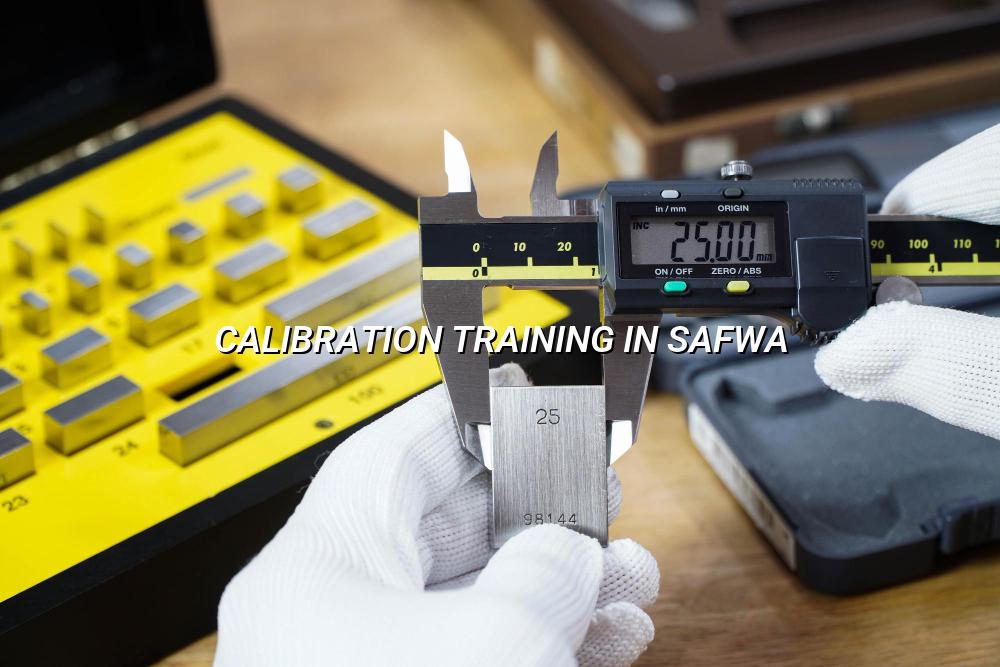
Calibration training in Safwa is for teams that want cleaner measurements, stronger traceability, and fewer arguments between production, maintenance, and QA. If your engineers are still relying on habit instead of a proper method, this page shows what a practical workshop should cover and what your people should be able to do after it.
We write from real industrial work, not classroom theory. In Saudi Arabia and the wider Middle East, plants in oil & gas, power, and cold-chain operations need staff who can handle calibration records, understand tolerance limits, and speak the same language as ISO/IEC 17025 labs.
What calibration training in Safwa should cover
A good calibration class should do more than explain instrument names. It should show your team how reference standards, environmental conditions, and documentation all affect the result. In our experience, the first gap most companies notice is not the measuring tool itself; it is the process around it. That is why we build workshops around measurement discipline, traceability, and practical control of common errors.
Hands-on work beats slide decks
We prefer real instruments, real readings, and real mistakes. Technicians remember much more when they see how a pressure gauge behaves during comparison checks, how a digital multimeter drifts, or why a thermometer reading changes when the ambient temperature shifts in the lab. For teams in Safwa, that practical style matters because many operations support rotating shifts, field work, and busy maintenance windows.
Traceability is the thread running through everything
When people hear traceability, they sometimes think it is only for auditors. It is wider than that. Traceability helps you trust a certificate, defend a decision, and avoid rework after a shutdown or product hold. We connect the training to ISO/IEC 17025:2017 habits, so your staff understand why records, uncertainty, and reference equipment control are part of the job, not paperwork on the side.
- Start with the instrument class — identify whether the device is electrical, pressure, thermal, mechanical, mass, or dimensional so the method matches the job.
- Check the environment first — confirm temperature, cleanliness, vibration, and handling conditions before any reading is taken.
- Use the right reference — compare the unit against standards that are suitable for the range and resolution you need.
- Record the result properly — keep raw values, tolerance limits, and pass/fail status together so the file can stand up to review.
- Focus on common shop-floor and laboratory instruments, not theory alone.
- Tie every exercise back to traceability and certificate reading.
- Include examples from pressure, thermal, and electrical calibration.
- Show technicians how to spot bad practice before it becomes a report issue.
Typical training topics for a Safwa calibration team
| Topic | What your team learns | Typical use on site |
|---|---|---|
| Electrical calibration basics | Reading, tolerance, and reference control for meters and test tools | Maintenance rooms, panels, and field verification |
| Pressure instrument checks | Zeroing, comparison method, and leak awareness during measurement | Process lines, compressors, and hydrotest support |
| Thermal measurement practice | Stability, probe placement, and environmental influence | Cold rooms, chambers, and process monitoring |
| Documentation and traceability | How to read certificates, log results, and keep records audit-ready | QA files, internal audits, and vendor review |
Why managers ask for calibration training in Safwa
Most managers do not ask for training just to tick a box. They want fewer rejected readings, fewer disputes during shutdowns, and less dependence on one experienced technician who knows everything by memory. Training gives your people a common method, which helps when shifts change or the job lands in a rush.
Better decisions at the point of use
When a technician can tell the difference between a stable reading and a questionable one, you avoid bad calls. That matters in power plants, packaged plants, warehouses, hospitals, and fabrication shops where a wrong reading can affect quality or safety. We also cover the simple habits that people forget under pressure: clean connections, correct warm-up, proper handling, and careful logging.
Built for real plant conditions
Safwa sits close to industrial activity across the Eastern Province, so training should reflect field conditions, not a polished demo bench only. We keep examples grounded in equipment people already use, from pressure instruments and thermometers to electrical test gear and basic mechanical checks.
How a practical calibration workshop usually runs
The format depends on your site, but the order should stay sensible. We normally begin with the instruments your people touch most often, then move to method, then to recordkeeping. That keeps the room engaged and avoids the common problem where the training sounds correct but never changes behaviour on the floor.
What technicians should leave with
By the end of a well-run session, your technicians should be able to explain how a reading is checked, what can disturb it, and when a result should be questioned. They should also know how to handle calibration records from an internal lab or an external service provider.
Good habits that stick
We look for a change in routine after training: clearer notes, better instrument care, less guessing, and tighter communication with QA. Those small changes matter more than flashy slides. They show up later in audits, maintenance jobs, and production handovers.
How Mayon Industrial Services Can Help
We run calibration management workshops for engineers and technicians, and we tailor the examples to the instruments your site actually uses. If you also need calibration services, inspection, mechanical support, lab setup, or training tied to ISO/IEC 17025:2017 practice, our team can put the pieces together in a way that makes sense for your operation.
Call +91 99447 80844 (India) or +966 59 633 8012 (Saudi Arabia), email services@mayonservices.com, or message us on WhatsApp.
Frequently Asked Questions
It normally covers the basics of reading instruments, using reference standards, understanding tolerance, and keeping proper records. We also include practical handling points like warm-up, environmental effects, and how to spot an unstable reading before it gets written into a report.
Yes. Maintenance teams deal with gauges, meters, torque tools, and test equipment every week, so they need a clear method for checking results and deciding when to escalate. Training reduces guesswork and helps different shifts work to the same standard.
Yes, we can focus the session on the habits that support ISO/IEC 17025:2017 work, such as traceability, record control, and sound measurement practice. We keep it practical so people understand what to do during day-to-day work, not just what the standard says.
We serve Saudi Arabia from Dammam Industrial City 2 through our local setup, so yes, training can be arranged for nearby industrial locations as needed. The exact delivery method depends on the job, but we keep the scope within Saudi Arabia and the wider Middle East.
We usually build examples around the instruments your site already uses, such as pressure gauges, digital meters, thermometers, torque tools, and basic dimensional devices. If your operation has special equipment, we can shape the workshop around that instead of forcing a generic outline.
Ready to build better calibration habits?
If your team in Safwa needs practical training that feels relevant on the floor, start the conversation with Mayon Industrial Services today.
Contact Mayon