
Calibration Training in Jubail
Practical training for teams working with calibration records, traceability and day-to-day lab discipline in Saudi industry.
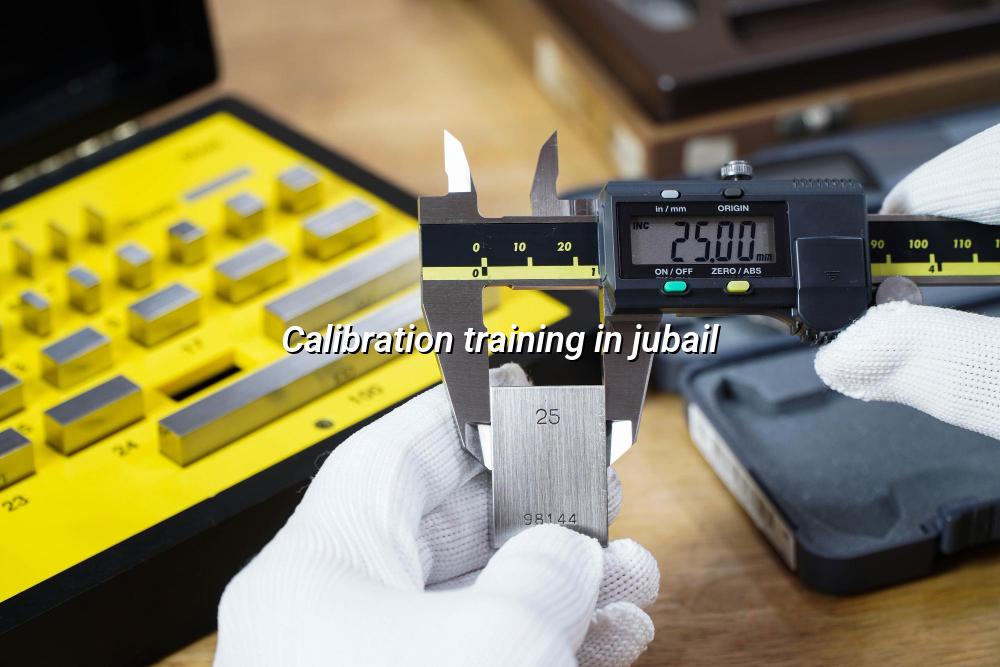
Calibration training in Jubail is for people who need more than theory. If your technicians handle gauges, thermometers, electrical standards or pressure instruments, this page shows how to build steadier habits, better records and cleaner traceability from day one.
We work with teams in Saudi Arabia's industrial zones, and Jubail is exactly the kind of place where method matters. Petrochemical plants, utilities, maintenance contractors and fabrication shops all need people who can follow procedure, protect reference standards and keep calibration results defensible under ISO/IEC 17025 expectations.
Why Calibration Training in Jubail Matters for Daily Work
Most teams do not struggle because they lack instruments. They struggle because the people using those instruments were never shown how to set up a job properly, check the environment, record uncertainty inputs, or stop bad habits from spreading across shifts. Good training fixes that. It helps your staff understand why a measurement drifts, how to protect a master standard, and how to write a result that another engineer can follow without guessing.
What your team actually learns
Our calibration workshops focus on the work that happens before and after the reading. We cover practical topics like reference checks, basic traceability, tolerance awareness, handling of DMMs, pressure gauges, temperature instruments and dimensional tools, plus the discipline needed to keep a clean audit trail. That matters in Jubail because many sites support rotating crews, contractor teams and multi-shift maintenance schedules. One sloppy entry can create more trouble than a failed instrument.
Who benefits most from the training
Engineering managers usually call us when a new lab is being set up, when records are inconsistent, or when a team needs to refresh old habits after growth. QA leads want better documentation. Maintenance supervisors want fewer repeat jobs. Technicians want confidence, not vague instructions. We tailor the session to your current work, so the content feels close to the instruments and procedures your people handle every week.
- Review the current workflow — we look at your present calibration routine, the instrument types in use and the records your team already keeps.
- Set the training scope — we align the session to the instruments, standards and job roles that matter on your site in Jubail.
- Run hands-on practice — technicians work through real examples such as data logging, pass/fail judgement, label handling and basic error checks.
- Close with corrective habits — we show where people usually slip, then give practical ways to reduce rework and improve consistency.
- Keep the training tied to the instruments your team uses every week, not a generic lab demo.
- Build records that show reference standard, reading, tolerance and result clearly.
- Use refresher sessions after staff changes, new equipment installs or audit findings.
- Include environmental checks, because temperature and handling mistakes show up fast in real labs.
Typical Calibration Training Topics for Jubail Teams
| Topic | What the team practices | Why it helps on site |
|---|---|---|
| Traceability basics | How standards connect to accepted references and documented records | Makes results easier to defend during internal reviews and customer checks |
| Instrument handling | Safe handling, storage, transport and pre-use inspection | Reduces drift, damage and avoidable rechecks |
| Result recording | How to write readings, tolerances, corrections and pass/fail decisions | Improves consistency between shifts and operators |
| Lab discipline | Workspace control, label control and job sequencing | Helps teams stay organised during busy maintenance periods |
How the Training Fits Jubail's Industrial Reality
Jubail is not a classroom city. People here work around shutdowns, production pressure, vendor visits and tight maintenance windows. That changes the way training should be delivered. We keep the discussion practical, with examples from calibration labs, plant rooms and field work so your people can connect the method to the job in front of them.
Where ISO/IEC 17025 thinking shows up
Even if your team is not running a full accredited lab, the habits behind ISO/IEC 17025 still help. Think of control of standards, clear records, repeatable methods and sensible checks before release. Those habits reduce disputes with customers and make it easier for supervisors to trust the numbers coming off the bench.
Useful for labs, maintenance and QA teams
We see the same pattern again and again: once people understand the reason behind each step, the quality of the work improves fast. The discussion becomes calmer. Fewer shortcuts. Better handover notes. Less confusion when a result looks wrong and needs checking before release.
What a Typical Session Looks Like
We usually start by mapping the instruments and tasks your people touch most often. That might be pressure gauges, temperature probes, torque tools, electrical test gear or dimensional standards. Once the list is clear, the training is shaped around those items instead of wasting time on unrelated examples. The result is a session that feels useful on Monday morning, not just neat on paper.
For Jubail-based teams, we can structure the training around onsite needs, lab-based discussions or a blended approach. Some groups want a compact refresher for technicians. Others need a deeper session for supervisors who sign off results or review calibration logs. Either way, the aim stays the same: fewer errors, better control and stronger confidence in the process.
When the training is done properly, people stop treating calibration as a box to tick. They start seeing how a missed zero check, a loose connector, a damaged seal or a badly written result can ripple into downtime or rework. That shift in thinking is where the value sits.
We also keep an eye on the site context. Jubail sites often deal with heat, dust, contractor movement and production pressure, so the training needs to respect those realities instead of pretending every lab is spotless all the time.
Why Managers Ask for Refresher Training
In our experience, the second month after a team grows is often where the cracks show. New technicians may know the instrument name, but not the full routine. A refresher helps bring everyone back to the same standard. It also gives managers a cleaner basis for supervision, because the same language and same steps are being used across the team.
Practical outcomes you can expect
Better records. Fewer repeat calibrations. More confidence during customer checks. Those are the outcomes people usually want, and they are the ones we aim for. We keep the training grounded in normal plant life, not theory for theory's sake.
Documentation gets easier to review
When technicians understand why a reading is recorded a certain way, supervisors spend less time chasing gaps. That makes handover reviews faster and gives QA teams more confidence when they sample certificates or work sheets.
How Mayon Industrial Services Can Help
We run calibration training alongside our ISO/IEC 17025:2017 calibration work, so the advice comes from real lab and field practice. If your Jubail team also needs calibration services, condition monitoring, mechanical support, inspection, orbital welding, lab setup or repair work, we can line up the training with the same operating realities your site faces. That keeps the session practical and easy to apply.
Call +91 99447 80844 (India) or +966 59 633 8012 (Saudi Arabia), email services@mayonservices.com, or message us on WhatsApp.
Frequently Asked Questions
Usually the people handling instruments every day need it first: technicians, QA staff, maintenance supervisors and lab operators. If a team reads gauges, checks temperature devices or signs off calibration records, training helps keep the whole process consistent.
We cover traceability, handling of reference standards, basic result recording, pass/fail decisions and lab discipline. If needed, we can also focus on the instruments your team actually uses, such as pressure, temperature, electrical or dimensional tools.
Yes. That is usually the better way to do it. We can shape the discussion around your instruments, your workflow and the type of records your team handles, so the training feels relevant from the start.
It does. The habits behind ISO/IEC 17025 still improve control, even when a site is not seeking accreditation. Clear records, traceability and repeatable methods make daily work easier and reduce the chance of arguments over results.
Yes, we support clients in Saudi Arabia and across the Middle East, alongside our India operations. Our team works with industrial customers who need practical calibration knowledge that can be applied in labs, workshops and field environments.
Ready to strengthen your calibration team?
If your Jubail site needs better records, steadier methods and technicians who understand the why behind each step, let's talk.
Contact MayonStrong calibration training makes everyday work calmer and cleaner. If you're building skills for a Jubail team, Mayon Industrial Services can help you put the method, discipline and traceability in place without overcomplicating the job.