
Calibration Training in Saudi Arabia
Practical training for engineers and technicians who need dependable calibration skills in Saudi plants, labs, and maintenance teams.
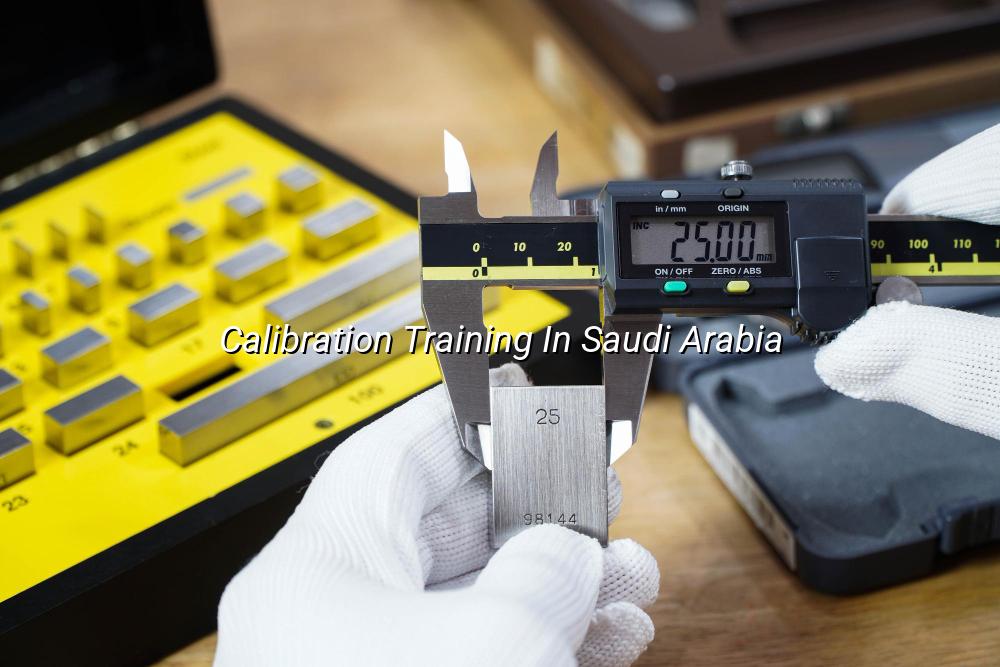
Calibration training in Saudi Arabia helps your team handle instruments with more confidence, fewer repeat checks, and better traceability on the shop floor or in the lab. We focus on the tasks people actually do: checking standards, recording results, spotting drift, and understanding when a tool needs adjustment, repair, or re-verification.
At Mayon Industrial Services, we work with engineers, technicians, and QA teams who need practical skills for oil and gas sites, petrochemical facilities, power plants, cold-chain operations, and manufacturing plants across Saudi Arabia and the wider Middle East. Our training draws from the same discipline we use in our ISO/IEC 17025:2017 calibration work, so the lessons stay close to real industrial practice.
What calibration training in Saudi Arabia should cover
Good calibration training in Saudi Arabia is not just theory. Your team needs to understand reference standards, measurement uncertainty, environmental control, traceability, and the common mistakes that lead to failed audits or unreliable instruments. In our experience, the biggest problems usually come from rushed handling, weak records, or staff who know how to use a device but not how to verify it properly.
Why practical examples matter
We use examples that fit Saudi industry. That might mean pressure instruments in a refinery, temperature probes in a cold room, or electrical test equipment in a maintenance workshop. The point is simple: when technicians see the same class of instrument they use every day, the steps stick faster and the errors become easier to spot.
Training that suits the job
Some teams need a short awareness session. Others need structured calibration management techniques for supervisors who handle asset registers, due dates, and verification logs. We can shape the session around the role, so the content is useful for calibration technicians, maintenance engineers, QA managers, and lab coordinators rather than being one-size-fits-all.
- Start with the instrument list — identify which tools are in daily use, which are critical, and which need tighter control for audit or production reasons.
- Check the reference chain — explain how standards, certificates, and traceability support the measurement result and why records must be kept clean.
- Run the measurement step by step — show how to set up, stabilise, compare, and log readings without skipping the small details that affect accuracy.
- Review the result and act on it — decide whether the instrument stays in service, needs adjustment, or goes for repair and follow-up verification.
- Build confidence with pressure, temperature, electrical, and mechanical instruments
- Improve calibration records so they stand up better during internal and customer audits
- Reduce avoidable rework caused by badly handled or poorly stored equipment
- Help supervisors set sensible calibration intervals based on use and risk
- Support teams working across Saudi Arabia, India, and the Middle East with the same process discipline
Common training modules and where they fit
| Module | Main focus | Typical use case |
|---|---|---|
| Calibration fundamentals | Traceability, standards, tolerance, uncertainty | New technicians and junior engineers |
| Management techniques | Due dates, registers, workflows, record control | QA teams and maintenance supervisors |
| Instrument handling | Set-up, protection, transport, storage | Field teams and workshop staff |
| Verification practice | Acceptance checks, repeat readings, decision making | Sites with mixed production and lab equipment |
How the training supports ISO/IEC 17025 work
Many companies ask for training because they are preparing for better internal control, customer scrutiny, or ISO/IEC 17025:2017 discipline in the lab. The training helps staff understand how calibration data is generated, why records need consistency, and how small environmental changes can affect a reading. That matters in temperature-controlled labs, mobile calibration jobs, and onsite work where conditions are not always ideal.
Useful on both site and lab work
We also tie the lessons to real working conditions in Saudi plants. A field technician may need to work around limited access, heat, vibration, or production pressure. A lab technician may need to focus on controlled setup, reference use, and documentation. The same technical basics apply, but the context changes, and the training should reflect that.
What your team gets from the session
Better handling of instruments, clearer decision making, cleaner records, and a stronger understanding of why calibration is more than a tick-box task. That usually shows up later in fewer disputes over readings and less confusion when instruments come back from service or verification.
How to plan calibration training for your Saudi team
Start by naming the instruments your team touches most often. In a refinery, that may be pressure gauges, transmitters, and electrical test gear. In a warehouse or cold-chain setting, it may be temperature data loggers, probes, and monitoring devices. Once the list is clear, we can shape the session around the actual work instead of covering topics nobody uses.
Then think about who needs to attend. A calibration technician usually needs different detail from a procurement lead or maintenance planner. One group needs hands-on steps. Another needs enough technical understanding to make sensible decisions about send-out calibration, onsite verification, or repair follow-up.
- Define the instrument types before the session begins
- Separate training for technicians, supervisors, and QA staff when needed
- Include site-specific examples from Saudi Arabia or your GCC operation
- Plan a short follow-up review so new habits don’t fade after a week
What good training changes on the ground
When training is done well, people stop treating calibration as a mystery. They know how to prepare the instrument, what to record, how to read a certificate, and when to flag a problem. That makes daily work easier for maintenance teams and gives managers better control over critical equipment.
It also helps during audits and customer visits. Staff who can explain their process clearly usually make a stronger impression than staff who can only say that the instrument was sent somewhere and returned with paperwork. That difference matters in regulated sectors and in plants where the cost of a wrong reading is high.
Keep the learning alive
We often suggest a short refresher after the first round of implementation, especially if the team is rolling out new registers, changing calibration intervals, or onboarding staff in a busy site. Small reminders go a long way.
How Mayon Industrial Services Can Help
We provide calibration training in Saudi Arabia for teams that also need real support in the field, in the lab, or during commissioning. Along with training, our team handles ISO/IEC 17025:2017 calibration, mechanical services, inspection, temperature mapping, orbital welding, and lab setup, so the advice comes from daily industrial work, not theory alone.
Call +91 99447 80844 (India) or +966 59 633 8012 (Saudi Arabia), email services@mayonservices.com, or message us on WhatsApp.
Frequently Asked Questions
We usually cover calibration basics, traceability, instrument handling, records, and the practical steps your team uses at work. If your site needs more detail, we can lean into pressure, temperature, electrical, or mechanical examples. The aim is to leave your people with skills they can use the same day.
Yes. We often tailor the session to the equipment list, the roles in the room, and the type of site you run. A cold-chain facility in Saudi Arabia needs different examples from a workshop in Dammam or a production line in the Eastern Province.
Technicians, maintenance engineers, QA staff, and supervisors all benefit, but not for the same reason. Technicians need hands-on practice. Supervisors and QA staff usually need a stronger grip on records, due dates, and decision making.
It does, especially around traceability, record control, and the discipline needed to keep calibration work clean and defensible. We keep the language practical, so the team can connect the standard to the day-to-day process instead of treating it like paperwork on a shelf.
Yes, we can support with calibration services, repair and maintenance, inspection, and related technical work. That helps if your team needs a second look at procedures or wants help applying what they learned to live equipment. Many clients prefer that mix because the training and the field support speak the same language.
Ready to train your calibration team?
If you need practical calibration training in Saudi Arabia, we can help you build skills that fit your instruments, your site, and your audit expectations.
Contact Mayon