
Electrical Calibration Company in Saudi Arabia
Traceable electrical calibration for panels, relays, instruments and field tools across Saudi industrial sites.
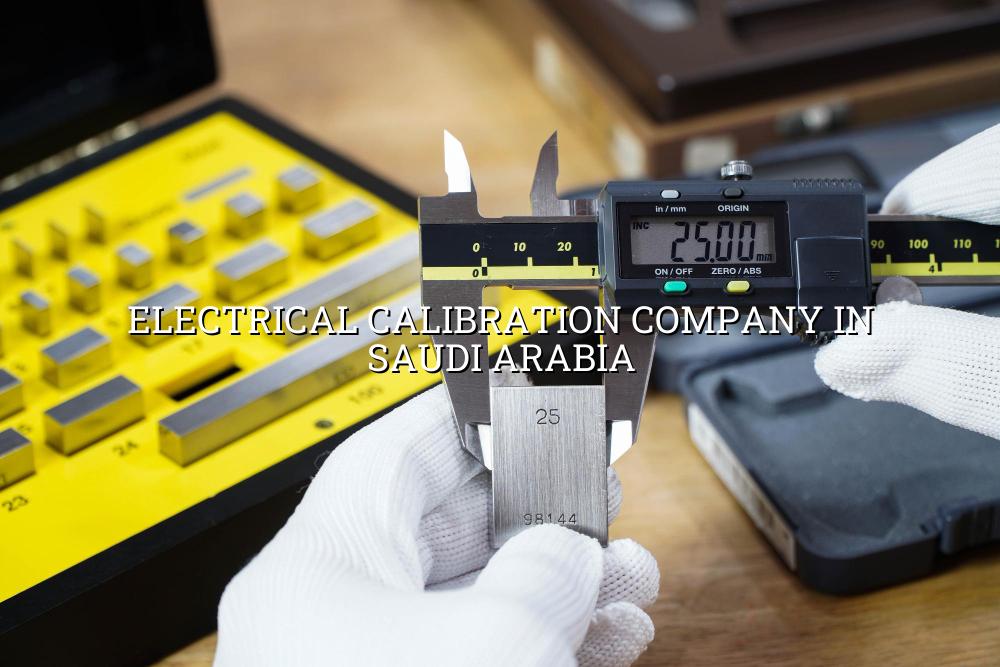
Electrical calibration company in Saudi Arabia is a search phrase we hear from plant teams who need real traceability, not guesswork. If you're looking after relays, meters, panels or test tools, this page explains what to check and how to choose a provider that can handle site work without disrupting production.
Our team works with customers in Dammam Industrial City 2, Jubail, Khobar and other Saudi industrial zones where electrical accuracy matters every day. We support oil and gas, petrochemical, power, construction and manufacturing sites with ISO/IEC 17025:2017 calibration, mobile-lab service and practical documentation that QA teams can file without chasing corrections.
What an electrical calibration company in Saudi Arabia should cover
A proper electrical calibration company in Saudi Arabia should do more than issue a paper certificate. You want measurement traceability, instruments matched to the item under test, and technicians who understand how electrical gear behaves in field conditions around switchgear rooms, substations and maintenance workshops. In Saudi plants, that usually means a mix of on-site work and lab work, because some tools can stay in service while others need controlled conditions.
Where the work usually sits
We often see requests for protection relays, current transformers, circuit breakers, insulation testers, clamp meters, multimeters and process instruments used around LV, MV, HV and EHV systems. The calibration plan changes with the asset. A relay test on a substation panel is not the same job as checking a handheld meter in a maintenance store, and the report should reflect that difference.
Why the environment matters
Saudi facilities deal with heat, dust, vibration and long operating hours. That reality affects readings, connectors and field handling. A lab in temperature control gives one part of the picture, but mobile calibration is what saves time when the instrument is fixed in place or tied to shutdown windows. We use both approaches, and we also arrange pick-up and delivery for items that need special handling.
- Identify the instrument and its use — separate protection, test, measuring and commissioning tools before you book the job.
- Check the required range — make sure the provider can test at the points your team actually uses, not only near zero.
- Review the calibration method — ask how the measurements are taken and what reference equipment is used.
- Confirm the report format — your QA or maintenance file should show results, traceability and pass/fail status clearly.
- Use a provider with ISO/IEC 17025:2017 competence for electrical calibration.
- Ask for onsite support when shutdown time is tight.
- Keep relay, meter and panel records separate in your asset register.
- Plan calibration before audits, commissioning or yearly maintenance.
- Match the certificate details to the serial number on the instrument itself.
Electrical calibration services our Saudi clients ask for most
| Equipment type | Typical site use | Why calibration helps |
|---|---|---|
| Protection relays | Substations and distribution panels | Supports safer fault response and clearer commissioning records |
| Current transformers | Power systems and metering circuits | Helps verify current measurement before energisation |
| Circuit breakers | LV, MV and HV switchgear | Confirms test values used during testing and commissioning |
| Handheld meters and test tools | Maintenance stores and field teams | Keeps daily measurements aligned with traceable references |
Traceability that fits Saudi plant expectations
Saudi industrial customers usually want evidence that reads cleanly during audits, vendor reviews and internal QA checks. That means the certificate should show identification, measured results, and the standard used, without making the file harder to read than the instrument itself. We work to ISO/IEC 17025:2017, and our calibration process is built for teams that need dependable data for operations, engineering and compliance.
What QA and maintenance teams usually check
They look at the date, the instrument tag, the serial number and the results against the acceptable tolerance. They also want to know whether the instrument was tested onsite or in the lab. If a tool has to come off a live line, the logistics need to be simple, and the handover should not eat half the shift.
Built for field realities
We support Saudi sites with mobile calibration, in-house laboratory work, and pick-up and delivery where controlled transport is the safer option. That helps when you are dealing with instruments from power plants, petrochemical units, fabrication shops or cold-chain facilities, and you need the work done without causing a bigger maintenance problem.
How to shortlist an electrical calibration company in Saudi Arabia
People sometimes start with price, then regret it when a report comes back incomplete. We suggest starting with capability. Ask whether the provider handles onsite and in-lab work, whether they support LV, MV, HV and EHV assets, and whether they can deal with the mix of electrical, mechanical and inspection work that real plants often need during the same shutdown.
In our experience, the best vendors are the ones that make your team's week easier. They know how to work around permit rules, access limits and hot conditions. They also understand that a commissioning team in Saudi Arabia may need relay checks, torque verification and documentation on the same visit.
- Look for a Saudi base that can actually reach your site area.
- Confirm experience with substations, panels and field test gear.
- Ask for clear identification of reference standards and result format.
- Check whether they can support related maintenance work if required.
- Make sure the provider can align with shutdown and commissioning windows.
What the calibration visit usually looks like
Once the scope is clear, the work usually moves in a straightforward order. Good planning keeps downtime down and avoids repeat visits. For electrical items, especially on industrial sites in Saudi Arabia, we like to confirm the equipment list early so we can bring the right reference setup and avoid wasted time at the gate.
- Scope confirmation — we review the instrument list, site location and the type of work needed.
- Access and mobilisation — the team plans for onsite work, lab work or collection based on the item and its condition.
- Test and comparison — measurements are taken against suitable references and the readings are checked against tolerance.
- Report and handback — the certificate, results and any remarks are issued so your team can close the record.
Simple handover, less rework
That flow matters when you are coordinating contractors, operators and QA staff on the same job. A neat handback means your team can move to the next task without waiting for missing serial numbers or unclear result fields.
How Mayon Industrial Services Can Help
We support Saudi customers who need electrical calibration alongside real site work, not just a certificate. Along with ISO/IEC 17025:2017 calibration, our team can help with condition monitoring, mechanical services, electrical testing and commissioning, inspection, orbital welding, lab setup and repair work when your shutdown scope is wider than one instrument list. If you need a partner that understands industrial pace and the paperwork that follows it, talk to us.
Call +91 99447 80844 (India) or +966 59 633 8012 (Saudi Arabia), email services@mayonservices.com, or message us on WhatsApp.
Frequently Asked Questions
Honestly, the best choice is usually the one that can prove traceability and still work around your site rules. For industrial customers, that means proper calibration competence, clear reports and the ability to support onsite work in places like Dammam Industrial City 2 or other active plant areas. If the provider can also handle related testing or maintenance, your shutdown planning gets much easier.
Yes. Many electrical items can be checked onsite when access, safety rules and equipment condition allow it. We use onsite calibration where it makes sense, and we shift items to the lab when controlled conditions are the safer option or when the instrument needs special handling.
Typical items include protection relays, current transformers, circuit breakers, meters, clamp meters and commissioning test equipment. Some plants also ask us to handle tools used by maintenance teams, because those readings feed directly into troubleshooting and verification work. The exact list depends on your site's systems and how the gear is used.
Because it tells you the provider works to a recognised competence framework for calibration and testing. In practical terms, that helps QA teams trust the traceability chain and file the certificate with less back-and-forth. For Saudi industrial customers, that level of structure matters during audits and vendor reviews.
We support customers across Saudi Arabia, not only in Dammam. Our work also serves industrial operations in the wider Middle East, and we plan the method based on the site, the instrument type and the access conditions. If the job needs mobile-lab support or pick-up and delivery, we can discuss that during the enquiry.
Yes, and many plants prefer that. It keeps coordination simpler when the same team can handle testing, calibration and related commissioning tasks around LV, MV, HV and EHV systems. That reduces handover gaps, which is useful when shutdown windows are tight and multiple trades are on site.
Ready to put your electrical instruments back on traceable footing?
If you need a Saudi calibration partner that understands site pressure, reporting and industrial timelines, send us your equipment list and we'll take it from there.
Contact Mayon