
Mass Instruments Calibration Company in Saudi Arabia
Traceable mass calibration for industries that need dependable weighing accuracy, onsite support and certified records across Saudi Arabia.
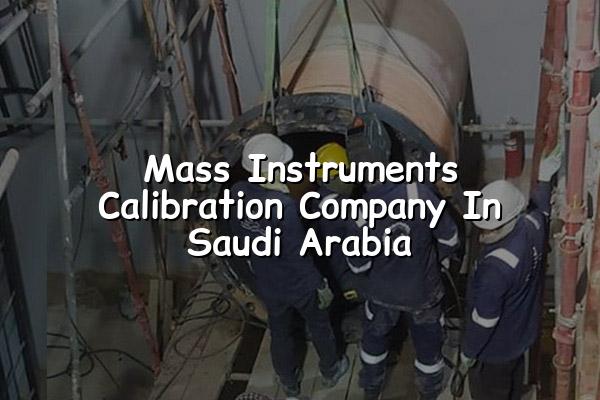
Mass instruments calibration company in Saudi Arabia services matter when your production line, warehouse, or QA team needs every weighing result to stand up to audit checks. We help you keep balances, platform scales, weights, and related mass instruments accurate so your records, batch control, and dispatch decisions stay dependable.
From Dammam Industrial City 2 to project sites across the Eastern Province, we work with maintenance teams, laboratories, manufacturers, and cold-chain operators who need traceable calibration with practical field support. Our Saudi team can handle onsite work where possible, and we also support instruments that need controlled handling through our lab process and pick-up arrangements.
What a mass instruments calibration company in Saudi Arabia should cover
A good mass calibration service is not just about putting a sticker on a scale. It needs the right reference standards, controlled test conditions, clear uncertainty reporting, and a certificate that your QA team can actually use during internal reviews or customer audits. In our experience, clients in oil and gas, food production, and pharmaceutical storage usually care about one thing first: can they trust the reading when the pressure is on?
Which instruments usually need attention?
We calibrate a wide range of mass-related instruments used in workshops, warehouses, plants, and laboratories. That includes analytical balances, precision balances, bench scales, platform scales, load cells in process systems, and standard test weights used for verification. Where the instrument sits in the process matters. A balance used for formulation inside a lab has different handling needs from a floor scale used for dispatch in a dusty warehouse in Jubail or Dammam.
Why traceability matters in Saudi projects
Saudi industrial buyers expect traceability, readable records, and practical support when calibration is due. ISO/IEC 17025:2017 is the anchor here, because it shows the work is done under a competent system, not as a casual check. We also see that teams in the GCC often need service records that fit their quality system and their customer obligations, especially where production lots, tank fills, or shipment weights are part of the commercial trail.
- Assess the instrument — we confirm the type, capacity, readability, and where it is used, because a 0.1 g balance needs a different approach from a 5-ton platform scale.
- Check the environment — vibration, draft, temperature shift, and floor level all affect mass readings, so we look at the site before testing starts.
- Run comparison checks — suitable reference weights or standards are used against points that reflect real use, not just a single spot check.
- Record and report — we document results, deviations, and pass/fail status clearly so your maintenance and QA teams can act on them.
- Use calibration intervals that match actual load and duty, not a generic calendar habit.
- Keep test weights and handling accessories clean and protected from corrosion.
- Verify zero, repeatability, and linearity where the instrument is used in real production.
- Review certificates for the serial number, range, results, and traceability chain before filing them.
Mass instrument checks by application
| Instrument type | Typical use | What we verify |
|---|---|---|
| Analytical balance | Laboratory formulation and sample prep | Repeatability, readability, zero setting, indication across range |
| Platform scale | Receiving, packing, dispatch and inventory control | Linearity, eccentric loading, display stability, load response |
| Load cell system | Process vessels, silos and integrated weighing | System response, indication consistency, installation condition |
| Test weights | Verification and internal checks | Condition, identification, handling suitability and traceable use |
How we handle mass calibration in the field
Many Saudi sites prefer onsite calibration because moving large or fixed instruments is not practical. That works well for platform scales, process weighing points, and some industrial balances. When an instrument needs better environmental control, or when special handling is part of the job, we can arrange the right path through our temperature-controlled laboratory process and pickup support. This is especially useful for sensitive devices used in healthcare, pharmaceutical storage, and quality labs.
What your team gets from the paperwork
Your certificate should give you enough detail to make a decision. We aim for clear results, serial identification, method notes, and traceable data that your QA manager can file without extra decoding. If a unit needs adjustment or repair, the next step is obvious instead of buried in vague wording.
Built for industrial sites, not just labs
We work around plant conditions, shift schedules, and access limits that are common in Saudi facilities. That includes production yards, maintenance shops, warehouses, and regional projects where weighing accuracy affects stock control, dosing, or release decisions.
Choosing the right calibration plan for your site
Not every weighing point needs the same treatment. A warehouse scale used for pallet dispatch may need a different test routine from a laboratory balance that supports product release. The right plan depends on load range, resolution, frequency of use, exposure to dust or vibration, and the consequences of a wrong reading. That is why many procurement and QA teams ask us to review the application first.
For bigger Saudi industrial jobs, we often see the calibration discussion tied to maintenance shutdowns, yearly audit cycles, or commissioning of new equipment. That is the right time to check the instrument condition, clean the area, confirm installation level, and decide whether onsite testing is enough or whether the instrument should be moved into a controlled environment.
We also keep the service practical. If a scale is being used in a cold-chain store, the team may need to check it near the operational temperature conditions. If the site is part of a food factory, the question may be how quickly the instrument can be verified without disrupting packing. Small details like these matter more than polished language. They affect whether the reading holds up in real work.
Our work in Saudi Arabia fits into a wider industrial setting that includes oil and gas, petrochemical plants, power facilities, construction yards, and manufacturing lines. Those sectors expect records that are traceable, readable, and easy to repeat in the next cycle.
How Mayon Industrial Services Can Help
We support mass calibration in Saudi Arabia with the same discipline we bring to the rest of our calibration work: clear records, traceable checks, and practical field service. If your site also needs mechanical work, inspection, condition monitoring, lab setup, or related engineering support, our team can coordinate the job instead of sending you from one vendor to another. For plants that run on tight QA control, that saves time and cuts down on repeat site visits.
Call +91 99447 80844 (India) or +966 59 633 8012 (Saudi Arabia), email services@mayonservices.com, or message us on WhatsApp.
Frequently Asked Questions
Any site that depends on weight for payment, batching, packing, dosing, or release checks should treat mass calibration as part of normal control. That includes factories, warehouses, labs, cold-chain stores, and maintenance teams using portable or fixed weighing equipment. If the reading affects product quality or commercial quantity, calibration is worth doing properly.
Yes, for many industrial scales and related systems we can support onsite work, especially where moving the unit would create downtime or risk damage. We look at access, load conditions, and the site environment before deciding on the best method. If the unit needs more controlled handling, we can route it through the proper lab process.
For our calibration work, ISO/IEC 17025:2017 is the key competence standard we follow. Clients also often ask for clear traceability and quality records that fit their internal systems, and that is where readable certificates matter. We keep the certificate format practical so your QA and maintenance teams can use it without extra explanation.
The right interval depends on how hard the instrument is used, how much load it sees, and whether the site environment is stable. A balance in a clean lab may stay stable longer than a scale in a dusty dispatch area with constant forklift traffic. Many teams set the interval after looking at risk, past drift, and audit needs.
We support clients across India, Saudi Arabia and the wider Middle East. That gives regional buyers a single industrial partner for calibration and related services when they are managing more than one site or project. If you need help planning work across locations, we can discuss the setup through our contact channels.
Ready to keep your weighing results under control?
If you need a mass instruments calibration company in Saudi Arabia that understands industrial sites, audit pressure, and traceable records, speak with Mayon Industrial Services today.
Contact Mayon