
Calibration Training in Salwa
Practical workshops for engineers and technicians who need hands-on calibration skills they can use back at work.
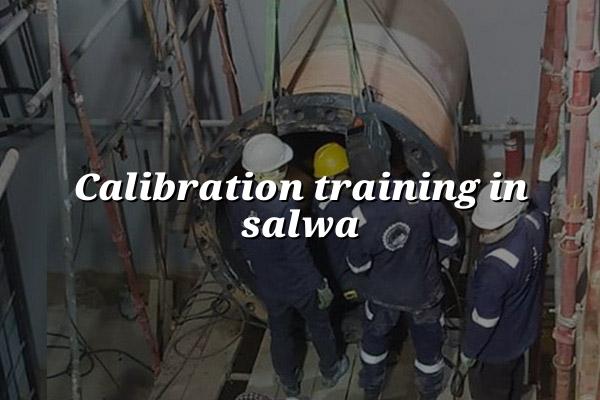
Calibration training in Salwa gives your team the practical know-how to handle instruments with more confidence, fewer mistakes, and a clearer traceability mindset. If you're tired of repeating the same setup errors on the shop floor or in the lab, this page shows what the training should actually cover.
We write this for maintenance engineers, QA teams, lab technicians, and supervisors working around industrial sites in Qatar's border corridor and the wider GCC. At Mayon Industrial Services, we see the same pattern again and again: people don't need theory for its own sake, they need a way to check instruments, record results properly, and keep work aligned with ISO/IEC 17025 habits.
Calibration Training in Salwa for Working Teams
A good calibration session is not a classroom lecture with a few slides on measurement terms. It should show your people how to inspect an instrument before use, decide whether it needs in-house checking or external calibration, and understand why traceability matters when reports are reviewed later by QA or auditors. In our experience, that practical link is what sticks.
Build the habits before the instrument drifts
Most teams first notice a problem only after a process issue shows up. Training helps stop that. Your staff learn how to look for damage, label condition, environmental limits, and reference standard suitability before they touch a device. That matters in Salwa and the surrounding industrial zones where instruments may move between workshop, site, warehouse, and vehicle use in the same week.
Use the same thinking across the plant and the lab
We like training that connects field practice with lab discipline. A technician who understands uncertainty, repeatability, and as-found versus as-left results will make better decisions in the field, and a QA manager gets cleaner records during review. That is especially useful for clients handling pressure gauges, temperature probes, balances, torque tools, and electrical test equipment across Oil & Gas, power, cold chain, and manufacturing work.
- Start with the instrument list — map the common tools used in your department, from pressure and temperature devices to mass, torque, and electrical meters.
- Check the current workflow — review how items are received, tagged, cleaned, checked, and sent for external calibration.
- Train on practical checks — show the team how to spot physical damage, expired labels, missing accessories, and obvious out-of-range readings.
- Review records and decisions — explain how to file results, handle nonconformance, and decide when an instrument should be quarantined.
- Use real instruments from your site so the session feels practical, not generic.
- Include examples from pressure, thermal, electrical, mechanical, and dimensional work.
- Teach staff to read calibration labels and certificates the right way.
- Make sure supervisors know when to stop use and escalate a suspect device.
Common Modules in Calibration Training
| Module | What Staff Learn | Typical Use Case |
|---|---|---|
| Instrument intake | Visual checks, identification, condition notes, and job tagging | Receiving gauges, meters, balances, and probes before calibration |
| Measurement basics | Traceability, units, tolerance, and simple error reading | Daily checks for QA and maintenance teams |
| Environmental control | Temperature, humidity, cleanliness, and handling discipline | Lab work and sensitive site instruments |
| Records and follow-up | Certificate reading, labeling, nonconformance, and escalation | Routine compliance checks and audit prep |
Why Salwa Teams Ask for Hands-On Training
People usually ask for training after they've seen a pattern: repeated instrument mishandling, unclear certificate filing, or arguments about whether a device should stay in service. A short theory session won't fix that. Hands-on learning does a better job because the team works through the actual tools they use, not a textbook example.
Keep the lab mindset in the field
That mindset matters in Gulf industrial work. A technician in a warehouse, a maintenance crew at a plant, and a quality inspector reviewing incoming equipment all need the same basic discipline: check the item, confirm the reference, record the result, and stop if something looks wrong. When that habit is in place, calibration turns from a paperwork task into a reliable control point.
What good training changes
It reduces preventable handling errors, improves certificate reading, and gives managers better confidence when instruments move between site, lab, and storage. It also makes audits less stressful because the team knows where the records sit and what each entry means.
What a Strong Calibration Session Should Leave Behind
Cleaner documentation
Your team should know how to read status labels, certificate fields, and due dates without guessing. That saves time during internal reviews and vendor coordination.
Better daily handling
Staff become more careful with storage, transport, cleaning, and re-checks. Small things matter when instruments are moved around busy sites.
Fewer repeat mistakes
Once people know what to look for, they stop sending obviously damaged or incomplete items into the wrong workflow. That alone cuts down on waste.
How Mayon Industrial Services Can Help
We run calibration management workshops for engineers and technicians, and we can shape them around the instruments your team actually uses. If you also need calibration, inspection, temperature mapping, mechanical support, or lab setup, we can align the training with that work so the lessons feel useful on day one.
Call +91 99447 80844 (India) or +966 59 633 8012 (Saudi Arabia), email services@mayonservices.com, or message us on WhatsApp.
Frequently Asked Questions
It's used to help technicians and supervisors handle instruments correctly, read calibration records properly, and make better decisions before a device causes a process issue. In practice, that means fewer avoidable mistakes with gauges, meters, probes, and torque tools. It's a good fit for teams that want cleaner records and stronger day-to-day discipline.
Yes, if your team works around accredited calibration work or audits. The training doesn't turn everyone into a metrologist overnight, but it should teach the habits that support traceability, proper records, and controlled handling. That's the part many sites miss.
Absolutely. That's usually the best way to do it. We can focus on the tools your team handles most often, such as pressure, temperature, electrical, dimensional, mass, or torque instruments, so the session feels relevant from the start.
We usually recommend a mix of maintenance technicians, QA staff, lab coordinators, and the person who signs off on instrument release. That mix works because one person learns the technical side while another learns the control side, and both viewpoints matter in real jobs.
Yes. We support clients from India and Saudi Arabia, and we also work across the Middle East where industrial customers expect traceable, well-documented calibration practices. If your team is split across sites, we can still keep the training focused on the same procedures and records.
Need your team to handle calibration work with more confidence?
If you want practical training that matches the instruments and records you use every week, Mayon can help you set it up properly.
Contact Mayon