
Calibration Training in Jafurah
Practical training for technicians, engineers and QA teams working with calibration, traceability and instrument control in Saudi Arabia.
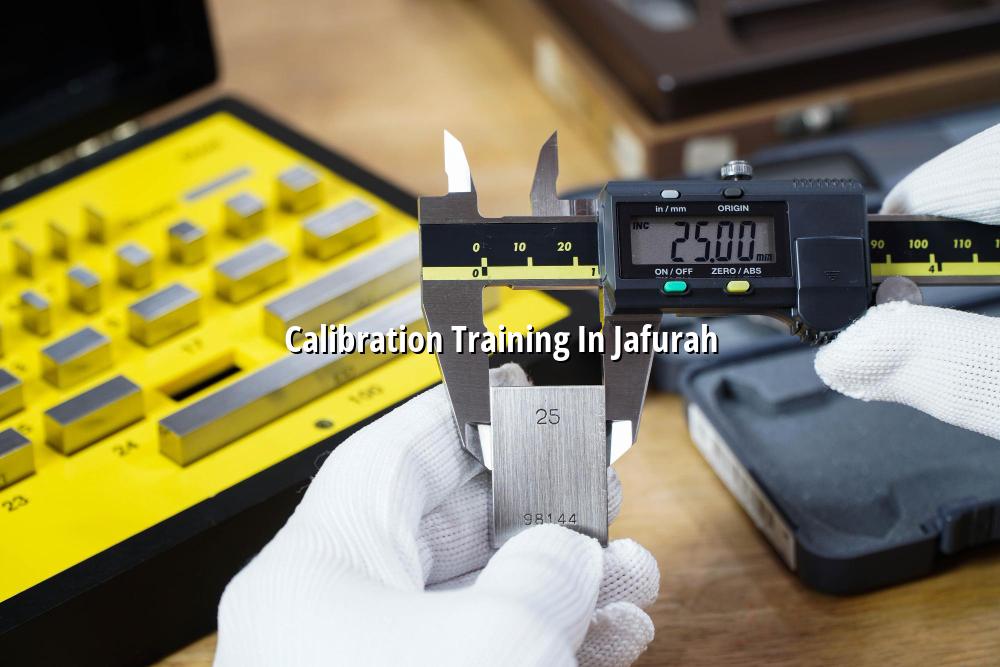
Calibration training in Jafurah helps your team work with instruments the right way from the start, so readings stay traceable and decisions stay defensible. If you're building skills for a new lab, tightening QA checks, or reducing repeated errors in the field, this page shows you what practical training should cover.
We work across Saudi Arabia with teams in oil & gas, petrochemical, power and cold-chain operations, where the smallest mistake can spread through production or compliance records. Our approach is simple: teach the method, show the standard, and make sure technicians can apply it on real instruments, not just talk about it in a classroom.
What Calibration Training in Jafurah should cover
Good calibration training is not just about reading a certificate or following a checklist. It should help your staff understand reference standards, tolerances, measurement uncertainty, environmental conditions, and how to record results so the data stands up to internal audit or client review. In our experience, many teams know how to use the instrument but not how to control drift, handle accessories, or spot a bad reference before it becomes a recurring problem.
Skills that matter on site
For Jafurah and the wider Eastern Province, practical training usually needs to cover the same tools your technicians see every week: pressure gauges, temperature sensors, torque tools, weighing systems, dimensional tools and electrical test devices. We also bring in field realities like hot work areas, mobile work packs, vendor interfaces and the discipline needed for ISO/IEC 17025:2017 traceability. That is where a short theory-only course falls flat.
Why teams ask for repeat training
Most supervisors ask for training after one of three things happens: audit comments, inconsistent results, or a new instrument fleet arriving with no clear handover. A proper session helps both the technician and the supervisor. Technicians learn the sequence; managers learn what evidence to expect. It saves time later, and it reduces the awkward back-and-forth when a report is questioned by QA or procurement.
- Start with the instrument group — define whether the team is handling electrical, pressure, dimensional, thermal or mechanical calibration, because each one brings different risks and reference gear.
- Check the environment — confirm temperature, cleanliness, vibration and handling conditions before any measurement begins, especially for lab work that needs stable conditions.
- Set the reference chain — show how standards, certificates and traceability are linked so staff know what to verify before use.
- Record and review results — train teams to capture as-found data, as-left data and observations cleanly, then compare them against acceptance limits.
- Helps new technicians avoid common handling mistakes on gauges, meters and sensors
- Supports QA teams that need cleaner records for audits and client files
- Builds confidence around traceability, uncertainty and acceptance criteria
- Fits field crews who need short, practical learning instead of long classroom theory
- Useful for teams in oil & gas, power, manufacturing, cold chain and maintenance
Typical calibration training topics and what they solve
| Topic | What the team learns | Common result on the job |
|---|---|---|
| Basic metrology | Units, traceability, tolerance and uncertainty | Fewer mistakes in setup and acceptance checks |
| Instrument handling | Warm-up, zeroing, storage and accessory checks | Less drift caused by poor handling |
| Calibration records | As-found, as-left, remarks and sign-off discipline | Cleaner files for QA and audit review |
| Field control | Environmental checks, mobility and pack preparation | Better results during onsite work in Jafurah and nearby sites |
How we shape the session for Saudi sites
For teams in Jafurah, we usually keep the training tied to the actual work order, instrument list or plant discipline. That may mean a session for pressure and temperature instruments in one week, then electrical testing or torque tools the next. People remember more when the examples come from the same equipment they touch every day.
What a supervisor can expect
We keep the discussion practical and direct. Your staff will see how calibration fits into ISO/IEC 17025:2017 discipline, how ISO 9001:2015 quality control supports the process, and where EURAMET CG-15 becomes relevant for electrical calibration work. We also make the gap between training and execution obvious, so the team knows what to do after the workshop ends.
Training that sounds like the workshop floor
We speak to technicians, engineers and QA staff in plain words. The goal is simple: better measurement habits, better records, and fewer avoidable disputes when a reading is challenged.
Who benefits most from this training?
New lab teams
Teams setting up or expanding a lab often need a common method fast. Training helps them learn the sequence, the paperwork, and the control points around standards and reference equipment.
Maintenance crews
Maintenance staff deal with pressure gauges, torque tools, thermometers and meters every week. They need short, useful instruction that fits plant conditions and reduces repeated handling errors.
QA and compliance teams
QA teams want records they can defend. Training gives them clearer control over format, traceability, review steps and the evidence a client or auditor may ask to see.
Common mistakes we see before training starts
One common problem is using a good instrument with poor records. Another is skipping the environmental check because the job looks simple. We also see teams mix up calibration and verification, or assume a certificate is enough without checking the measurement range they actually use in production. Those gaps create noise in the data and frustration during audits.
When a team has the right habits, the whole operation gets easier. Reports are easier to sign, instrument history is easier to follow, and the engineer on shift can trust the result enough to make a decision. That matters in Jafurah, where site work often involves pressure systems, utilities and critical process support.
Things to fix early
- Missing traceability links on certificates
- No clear as-found reading before adjustment
- Poor storage of probes, leads and reference gear
- Weak sign-off discipline for field reports
How Mayon Industrial Services Can Help
We train teams that need more than a slide deck. Our calibration, lab setup and condition monitoring experience lets us show your people how the work is done in real industrial conditions, including onsite and mobile-lab service where that fits the job. If you want your team in Jafurah to handle instruments with more confidence and cleaner records, we can plan the next step with you.
Call +91 99447 80844 (India) or +966 59 633 8012 (Saudi Arabia), email services@mayonservices.com, or message us on WhatsApp.
Frequently Asked Questions
It usually covers measurement basics, instrument handling, traceability, record keeping and the practical steps your team needs on site or in the lab. For many groups, we also include common mistakes, so the staff know what bad setup or bad handling looks like before it shows up in a report.
Yes. We often train mixed groups, but we keep the examples relevant to each role. Lab staff usually focus on control, traceability and records, while maintenance teams need more field handling and day-to-day decision support.
Yes, because the training is built around traceability, documented methods and careful result recording, which are central to ISO/IEC 17025:2017 work. We don't treat the standard like a poster on the wall; we show how it affects real decisions in the lab and in the field.
Yes, we support clients in Saudi Arabia, including Jafurah and surrounding industrial areas, with training that can be aligned to the instruments and workflows they actually use. That makes it easier for your team to apply the lesson immediately instead of waiting for a future project.
Start with the instruments your team uses most and the problems you see most often. If the issues are unclear records, we focus on documentation; if the problems are poor readings, we focus on handling, checks and measurement control.
Absolutely. When a lab is being set up or expanded, training helps the team build the right habits around equipment control, reference handling and documentation from day one. That saves a lot of fixing later.
Ready to strengthen your team's calibration skills?
If your technicians need clearer methods, better records and more confidence on site, we can help you plan training that fits the way you actually work.
Contact Mayon