
Calibration Training in Yanbu
Practical training for engineers and technicians who want stronger calibration records, better lab discipline and fewer mistakes on site.
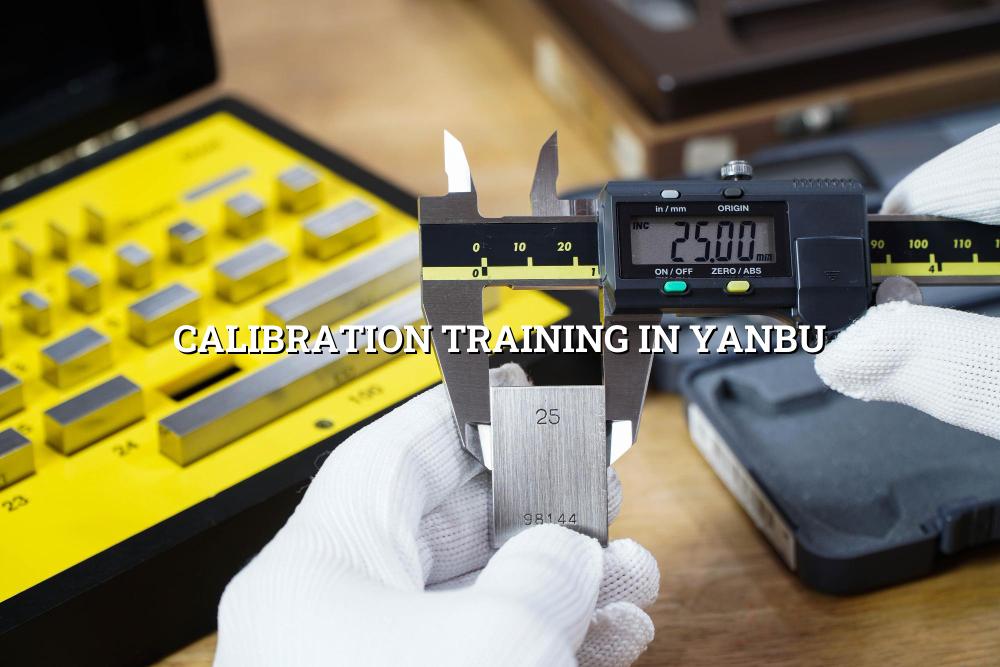
Calibration training in Yanbu helps your team handle instruments with more confidence, cleaner records and fewer rework cycles. If you're responsible for a lab, maintenance crew or quality system, this page shows what a useful training programme should cover and how it supports day-to-day plant work.
We see this need often in Yanbu and nearby Saudi industrial zones, especially where oil & gas, petrochemical, utilities, cold-chain and fabrication teams need traceable results that stand up to audits. Our approach is practical: real procedures, real equipment, and the sort of discipline that fits ISO/IEC 17025 work.
What calibration training in Yanbu should cover
A proper programme doesn't stop at theory. In our experience, the people who benefit most are the ones who touch the instruments every week: calibration technicians, QA staff, maintenance engineers and supervisors who review certificates. They need to understand traceability, uncertainty basics, out-of-tolerance handling, environmental control and how to avoid simple recording errors that can affect a whole batch of readings.
Build confidence with the measurement chain
Good training starts with the measurement chain itself. We show how standards, reference devices and working instruments relate to each other, why environmental conditions matter, and how calibration records should read when the result is clean and defensible. That matters in Yanbu, where site teams often move between workshop conditions, plant areas and controlled laboratory spaces.
Make the procedure fit your instruments
Different assets need different handling. A pressure gauge, a temperature sensor, a torque tool and a digital multimeter do not follow the same logic, even if the paperwork sometimes makes them look similar. Training should reflect the instrument type, the measurement range, the acceptance criteria and the local work method your team already uses.
- Start with the instrument list — group gauges, meters, thermometers, balances and torque tools by discipline so the team sees how each one is handled.
- Check the reference equipment — explain what the master standard does, how it is identified, and why traceability matters before any reading is taken.
- Run a live calibration flow — move from check-in to test points, observation, recording and certificate review so the process feels familiar.
- Close with error review — look at common mistakes like missing IDs, wrong units, poor range selection or incomplete remarks, then correct them on the spot.
- Focus on hands-on practice, not just slides.
- Use instrument examples from your own plant or lab.
- Cover certificate reading, traceability and acceptance decisions.
- Include environmental checks, identification tags and record control.
Typical modules in a calibration workshop
| Module | What the team learns | Practical use on site |
|---|---|---|
| Traceability basics | How references connect to working instruments and records | Helps QA and calibration staff justify results during reviews |
| Environmental control | Temperature, humidity and stability checks around the job | Useful for labs, workshops and mobile calibration work |
| Recording and certificate review | Reading ranges, units, remarks and pass/fail statements correctly | Reduces certificate errors before release to the client |
| Out-of-tolerance response | What to do when a result falls outside limits | Supports corrective action, equipment isolation and reporting |
Why this training matters in Yanbu plants and labs
Yanbu projects often involve equipment that must stay auditable under real operating pressure. A technician may be working on a cold-room sensor one day, a pressure instrument the next and a handheld electrical tester after that. Training gives the team a shared way to work, so the certificate file, logbook and actual device all tell the same story.
Better records, fewer disputes
When people understand the why behind each entry, they write better data. That lowers the chance of missing serial numbers, vague comments or incorrect tolerances. It also helps procurement and maintenance teams compare in-house work with external calibration more clearly, which is useful when instruments move between Yanbu, Dammam and other Saudi sites.
Training that fits industrial reality
We keep the session grounded in actual plant work: pressure, temperature, dimensional, torque and electrical examples, plus the filing habits that keep records tidy. That kind of training tends to stick because the team can use it the very next day.
How we structure a calibration training session
Some clients prefer a classroom-style workshop at their facility. Others want a short onsite session beside the actual instruments so the team can work through the exact steps they use every week. We can shape the session around the assets you have, the language your team uses and the records you need to maintain.
For engineering teams in Saudi Arabia, this usually means balancing lab discipline with field practicality. The training should respect both. A good session will show how to prepare the work area, inspect the instrument, confirm the reference equipment, record readings and review the result before release.
- Intro to traceability and calibration discipline
- Instrument handling, ID checks and pre-use inspection
- Certificate reading and result interpretation
- Record control, remarks and nonconformance handling
How Mayon Industrial Services Can Help
We run calibration services, condition monitoring, mechanical work, inspection, orbital welding, lab setup and training from a real industrial background, not a classroom-only one. That means your team gets examples tied to pressure, temperature, dimensional, electrical and mechanical work they already see on site. If you need calibration training in Yanbu that feels practical and fits your operation, let's talk about the scope and the audience.
Call +91 99447 80844 (India) or +966 59 633 8012 (Saudi Arabia), email services@mayonservices.com, or message us on WhatsApp.
Frequently Asked Questions
Usually we cover traceability, instrument identification, reference standards, environmental checks, result recording and certificate review. We can also shape the session around pressure, temperature, electrical or mechanical instruments if your team needs a more focused class.
Yes. We can run the training onsite so your staff works with the actual instruments, paperwork and local procedures they use every day. That often works better than a general classroom talk because the discussion stays tied to real jobs and real records.
We usually recommend calibration technicians, QA staff, maintenance engineers and supervisors who sign off records. If your team handles lab equipment, handheld meters or field instruments, they all benefit from understanding the same method and language.
Yes, we cover the parts that matter to daily work: traceability, records, competence, environmental control and basic result interpretation. We keep it practical, so the team can connect the standard to the work they do rather than hearing a dry list of clauses.
Absolutely. We often tailor workshops around the exact mix of gauges, transducers, multimeters, relays or other assets a site uses. That way, the examples feel familiar and the team can apply the lesson immediately.
Ready to train your team properly?
If you need calibration training in Yanbu that your staff can actually use on site, we can help shape the session around your instruments and records.
Contact MayonStrong calibration habits don't happen by accident. They come from clear methods, good supervision and a team that understands why each step matters. Mayon Industrial Services brings that practical mindset to Yanbu and the wider Saudi market, and we work the same way whether the job is training, calibration or plant support.