
Calibration Training in Jizan
Practical workshops for engineers and technicians who handle gauges, meters, sensors, and traceable calibration records.
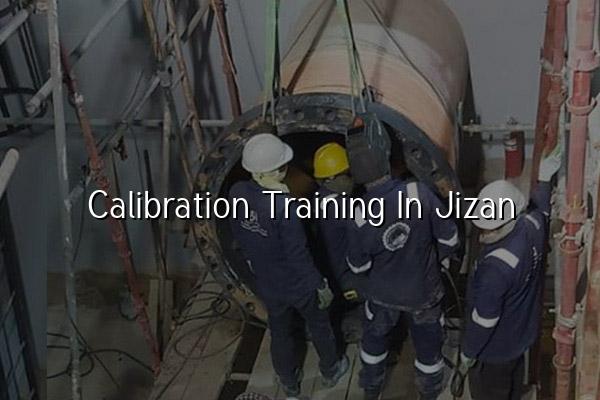
Calibration training in Jizan is for teams that want fewer errors on the bench and better control in the plant. If you work with gauges, thermometers, pressure devices, balances, or electrical test tools, this page shows what the training covers and why it matters in daily work.
We see the same pattern again and again in industrial sites across Saudi Arabia and the wider Middle East: good instruments get used badly, records get filled in late, and nobody is fully sure about traceability. Our workshops are built for that reality, with practical methods that suit maintenance rooms, QA teams, and small laboratory setups in Jizan, Dammam, and other GCC industrial zones.
What calibration training in Jizan should cover
A proper calibration training program should teach more than how to read a certificate. Your team needs to understand traceability, instrument ranges, tolerance bands, uncertainty basics, and the habit of checking equipment before it goes back into service. That matters in oil and gas, petrochemical, power, food, and cold-chain work where a small mistake can affect product quality, plant safety, or a compliance audit.
Why the practical side matters
In our experience, people remember the bench work best when they handle real devices. A technician who has actually compared readings on a pressure gauge, checked a temperature indicator against a bath, or reviewed a deviation report is far more useful than someone who has only sat through slides. That is why we keep the sessions grounded in everyday tasks, not theory for its own sake.
Who should attend these sessions?
These workshops suit calibration technicians, maintenance engineers, QA staff, supervisors, and new hires who need a solid start. They also help companies that are setting up an in-house lab or tightening their document control for ISO/IEC 17025:2017 aligned work. If you already run instruments through an external lab, the training still helps your team verify certificates and catch problems before they spread.
- Start with the instrument story — identify what each device does, where it is used, and what failure looks like in the field.
- Check the calibration chain — review reference standards, traceability, due dates, and the condition of the item before work begins.
- Run a live comparison — measure against known points and note how repeatability changes across the range.
- Record and interpret the result — decide pass or fail, note deviations, and explain what action the site should take next.
- Covers real plant instruments, not just textbook examples
- Helps teams read calibration certificates with more confidence
- Supports better traceability and record keeping for audits
- Fits maintenance, QA, and lab teams working across Saudi Arabia
Typical training modules for industrial teams
| Module | What your team learns | Typical site use |
|---|---|---|
| Traceability basics | How reference standards connect your readings to a known chain | Receiving checks, lab work, audit preparation |
| Instrument handling | How to inspect, store, and protect devices before and after use | Maintenance stores, QA rooms, field kits |
| Reading results | How to judge pass/fail, tolerance, and deviation from nominal values | Pressure, temperature, mass, and electrical checks |
| Records and reports | How to file certificates, note corrections, and keep history clean | ISO/IEC 17025:2017 aligned operations, customer files |
How the training helps your audit readiness
Good training makes audits less stressful because your team knows what they are showing and why it matters. When people can explain traceability, equipment status, and record history clearly, the discussion with a client auditor or internal assessor becomes much easier. That is especially useful for firms working with regulated production, cold rooms, or service contracts that demand cleaner documentation.
Where teams usually need the most help
The weak points are often simple: a missed label, a forgotten due date, a certificate filed without checking the range, or a device returned to service before the result was reviewed. Those are small issues on paper. On a live site, they can cause repeat work, downtime, and uncomfortable questions during a visit.
Built for Jizan and nearby industrial sites
We shape the class around the realities of Saudi industrial work: plant maintenance schedules, controlled records, site safety, and the pressure to keep production moving. If your team works in oil and gas, petrochemical, power, or manufacturing, the examples make sense from day one.
Training formats that work for busy teams
Some companies prefer a workshop at their own facility in Jizan or the Eastern Province. Others want a focused session in a controlled space where their team can spend more time on testing and less time moving equipment around. We can structure the session around the people you have on shift, the instruments you use most, and the type of records you keep.
That flexibility helps when a site has mixed skill levels. A senior engineer may need a sharper review of process control, while a new technician may need a clean introduction to ranges, verification checks, and how to avoid common handling damage. Both can be covered in the same session without making it feel crowded.
We also see demand from companies building or improving an in-house calibration room. In those cases, the training often sits alongside lab design support, equipment selection, and a review of workflow from receiving to final release. If you are planning a new setup, that combination saves a lot of rework later.
For some teams, the bigger need is simply confidence. They already have capable people, but they want one shared method so results are checked the same way every time. That consistency is what makes a workshop useful long after the class ends.
A better routine for instruments and records
After training, your team should have a clearer way to receive instruments, inspect them, use them, and file the result. That routine reduces confusion when equipment is shared between shifts or moved between workshop and field. It also makes it easier to spot when a reading is drifting or a device needs attention before a bigger problem appears.
Simple habits that make a difference
Label checks, clean storage, range verification, and a proper sign-off process sound basic. They are basic. That is exactly why they matter. Most process failures start with a small habit that was skipped on a busy day.
Training that supports day-to-day control
We focus on what your technicians touch every week: gauges, thermometers, torque tools, electrical instruments, balances, and related records. The aim is to make your site steadier, not to drown people in jargon.
How Mayon Industrial Services Can Help
Mayon Industrial Services can support your team with calibration training, calibration services, lab setup, inspection, condition monitoring, and mechanical support when your site needs more than one type of technical help. We work with engineers and technicians across Saudi Arabia, India, and the Middle East, and we keep the training practical so your people can use it right away. If you want a session shaped around your instruments and records, speak with us and we’ll help you plan the next step.
Call +91 99447 80844 (India) or +966 59 633 8012 (Saudi Arabia), email services@mayonservices.com, or message us on WhatsApp.
Frequently Asked Questions
Most workshops cover instrument handling, traceability, reading calibration results, and document control. We also add practical examples from site work, so your team sees how the same method applies to pressure, temperature, electrical, or dimensional tools. That keeps the class useful after the day ends.
Technicians, maintenance engineers, QA staff, and supervisors usually get the most value. If you're setting up an internal lab, your procurement or project team can join as well, because they often decide what equipment gets bought and how it is used. A mixed group works fine if the class is planned properly.
Yes. We serve clients from Jizan, Dammam, and other industrial areas in Saudi Arabia, and we can structure the session around your site tools and records. For some teams, onsite training is the easiest way to keep the discussion close to real equipment and actual procedures.
Yes, because the training explains traceability, record control, and result review in a way that fits ISO/IEC 17025:2017 aligned work. It won't replace your quality system, but it does help people understand what good practice looks like on the floor. That usually makes audits and internal checks less messy.
We can, and that is often the best approach because many plants use a mix of instruments every day. Pressure gauges, temperature sensors, and electrical test tools each need slightly different handling and reporting habits. Once your team understands the pattern, the rest becomes easier to manage.
Your people should leave with a cleaner method for handling instruments, checking results, and filing records. They should also be able to spot simple errors earlier, which saves time later. In many sites, that change is what makes the training feel valuable rather than theoretical.
Ready to build a stronger calibration routine?
If your team in Jizan needs training that feels practical, clear, and tied to real plant work, get in touch and we’ll plan it around your instruments.
Contact Mayon