
Calibration Training in Tabuk
Practical training for engineers and technicians who need better calibration records, instrument handling and traceability in Tabuk.
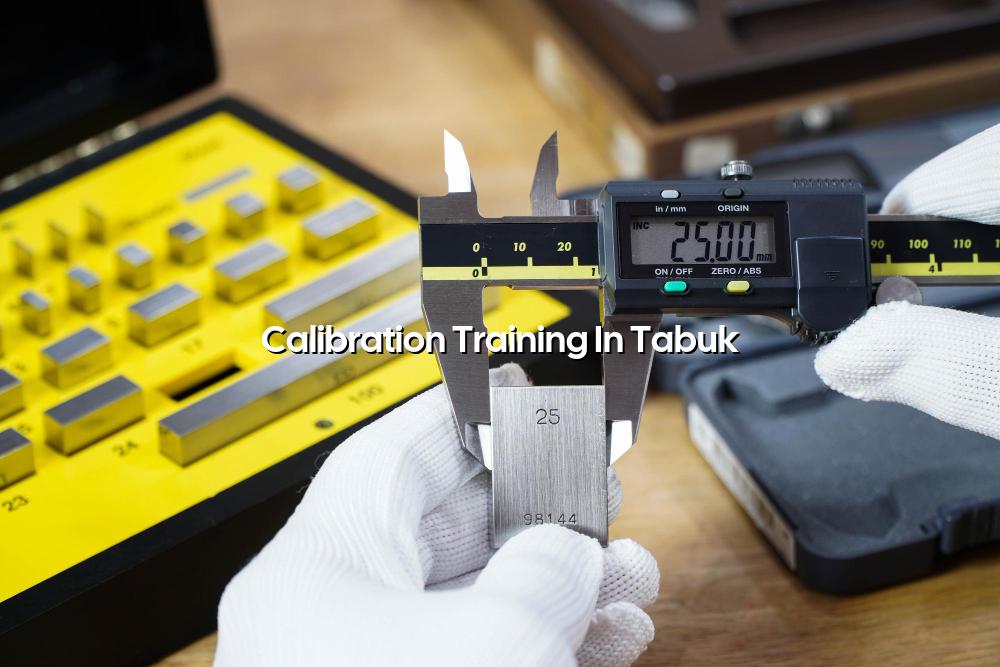
Calibration training in Tabuk helps your team stop treating instrument checks like paperwork and start using them as a real control on quality. If you manage a workshop, plant, lab, or maintenance crew, this page shows what a useful training session should cover and how it supports traceability, safer decisions, and cleaner records.
We work with engineers and technicians across Saudi Arabia and the wider Middle East, where oil & gas, petrochemical, power, cold-chain and manufacturing sites expect disciplined calibration habits. In our experience, the biggest gap is rarely the instrument itself; it’s the method, the records, and the confidence of the person doing the job.
What Calibration Training in Tabuk Should Cover
A good session on calibration training in Tabuk should be practical from the first hour. That means instrument identification, reference standards, environmental control, uncertainty basics, record keeping, and the small details that protect you when an audit asks, “How do you know this reading is valid?” For teams working under ISO/IEC 17025:2017 routines, the training should also explain traceability, job planning, and how to avoid common mistakes with digital indicators, pressure gauges, temperature sensors, torque tools and dimensional gear.
Why the basics matter in real plants
Many teams already own good instruments. The problem is that tools get mixed, logs are incomplete, or a technician copies an old result without checking the actual setup. That’s how errors spread across a batch plant, a maintenance shutdown, or a cold room survey. Training fixes that by showing people how to read the instrument, choose the right reference, and document the result in a way that holds up during internal review.
Who usually benefits most
We’ve found the strongest results with QA staff, maintenance supervisors, lab technicians, and junior engineers who handle instruments every day but haven’t had structured instruction. In Tabuk, that often includes people supporting industrial projects, utility work, construction sites, HVAC systems, and service teams that move between locations. A single class can’t turn someone into a calibration lab, but it can give them the discipline to work like one.
- Start with the instrument family — group gauges, meters, sensors, and tools by function so the trainee sees what needs checking and why.
- Set the conditions first — confirm ambient temperature, cleanliness, and the right reference equipment before any reading is taken.
- Record each result properly — note units, identification numbers, reference values, deviations, and acceptance status without leaving blanks.
- Review the error pattern — compare the result with past data so the team can spot drift, damage, or a bad connection early.
- Ask for examples from your own plant, not generic slides.
- Use actual gauges, meters, and thermometers your team handles every week.
- Build the session around traceability, not just pass/fail labels.
- Include short record-writing exercises so people learn the format.
- Keep a second reference available for cross-checks when readings look odd.
Typical Topics in a Calibration Training Session
| Topic | What the Trainee Learns | Why It Helps |
|---|---|---|
| Traceability | How reference standards connect the reading back to a known source | Builds confidence in records and audit discussions |
| Instrument handling | How to store, carry, inspect, and connect the device correctly | Reduces damage and false readings |
| Data logging | How to write results, units, IDs, and status clearly | Prevents gaps in job sheets and reports |
| Basic troubleshooting | How to spot drift, loose connections, damaged leads, or unstable output | Saves time before the instrument goes for full service |
Training That Fits ISO/IEC 17025 Thinking
When people ask us for calibration training in Tabuk, they usually want more than theory. They want the habits that make an internal check routine easier to trust. That includes identifying the correct instrument range, using a stable reference, understanding when a reading is outside acceptance, and keeping the test report clean enough for a client, a QA manager, or an assessor to follow without guesswork.
Where most teams slip
The common weak point is not technical knowledge alone; it’s repeatability. One technician writes down a good result, another writes it differently, and a third skips the environmental note because the shift is busy. Once that happens, the file becomes harder to defend. Training gives everyone the same method so the numbers mean the same thing across the team.
Built for Field and Lab Teams
We can keep the session focused on practical use: gauges, thermometers, pressure devices, torque tools, dimensional checks, and simple electrical instruments. That works well for plants in Tabuk, Dammam, and other industrial zones where technicians need to move between the field and the workshop without losing the method.
Why On-Site Training Works Well for Tabuk Teams
On-site training usually lands better because people learn with the tools they already use. A temperature probe in a classroom is one thing; the same probe beside a freezer, reefer vehicle, or process line is another. Once technicians see the real setup, they start asking sharper questions about cable condition, reference placement, time stabilisation, and whether the result actually reflects the process.
That approach also helps supervisors. You can train a small group, watch how they document their work, and catch bad habits before they spread. For companies supporting cold-chain logistics, food production, or process equipment in Tabuk, that practical angle saves a lot of rework later.
- Uses your own instruments and your own forms
- Shows how the method fits the site’s routine
- Helps supervisors see skills gaps quickly
- Makes the training easier to apply the next day
What You Should Expect People to Leave With
After a proper class, your team should know how to prepare a simple calibration task, choose the right reference equipment, read the result carefully, and file it in a way that makes sense later. They should also know when to stop and escalate instead of guessing. That matters in Saudi industrial work, where one wrong assumption can hold up maintenance, procurement, or acceptance checks.
Useful outputs, not just attendance
We like to see trainees leave with better habits around labeling, logging, and control of records. If a group can explain their process back to you clearly after the session, that’s a better sign than any certificate on its own. The point is to improve day-to-day work.
Better Records, Cleaner Handover
For QA and maintenance teams, the real win is fewer disputes over readings, fewer missing entries, and less time spent rechecking the same instrument. That gives managers a steadier base for planning recalibration, repair, or replacement.
How Mayon Industrial Services Can Help
We run calibration training that connects directly to our day-to-day work in ISO/IEC 17025:2017 calibration, inspection, mechanical services, lab setup, and condition monitoring. That means the session is grounded in real instruments, real records, and the same discipline we use for clients across Saudi Arabia and the Middle East. If you want a class that your technicians can apply on the next shift, we can help shape it around your site.
Call +91 99447 80844 (India) or +966 59 633 8012 (Saudi Arabia), email services@mayonservices.com, or message us on WhatsApp.
Frequently Asked Questions
It usually covers instrument identification, traceability basics, correct handling, reading the result, and writing the record properly. For industrial teams, we also include examples from pressure, temperature, electrical, and dimensional work so the method feels familiar, not abstract.
QA staff, maintenance technicians, junior engineers, and supervisors usually get the most value. Honestly, the people who touch instruments every week are the ones who change their habits fastest, especially when the class uses their actual forms and devices.
Yes. We can frame the session around traceability, record control, repeatability, and clear reporting so your team understands the habits behind ISO/IEC 17025:2017 work. That’s useful even for sites that are not a calibration lab but still need stronger control.
For most industrial teams, yes. On-site training lets people work with the instruments, records, and conditions they actually use in Tabuk, so the lesson feels real and the handover back to work is smoother.
No. We also train maintenance teams, QA teams, site engineers, and technicians who need to manage instruments properly before they go for full calibration or service. That includes people in manufacturing, oil & gas, power, cold-chain, and construction environments.
Ready to build better calibration habits in Tabuk?
If your team needs training that fits real industrial work, we can plan a session around your instruments, your records, and your site routine.
Contact MayonStrong calibration habits don’t happen by accident. With the right training, your team gets clearer records, steadier decisions, and fewer surprises when equipment comes under review. Mayon Industrial Services is ready to support that work with practical, field-tested training and industrial engineering support.