
Calibration Training in Arar
Practical calibration workshops for teams in Arar and the wider Northern Borders region.
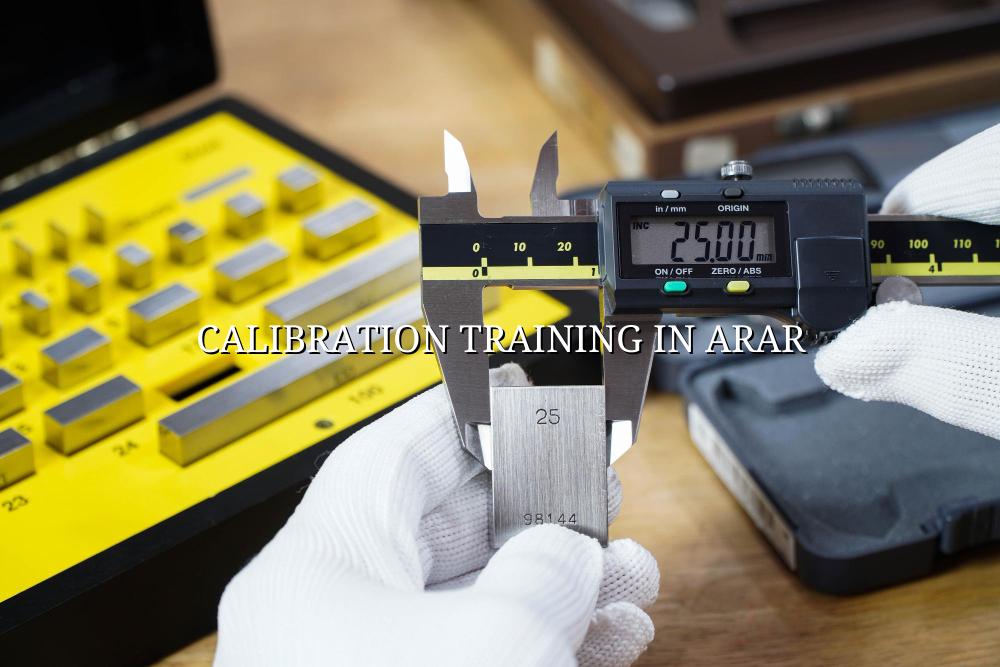
Calibration training in Arar gives your team the hands-on skills to handle instruments with more confidence and fewer mistakes. We focus on what your technicians actually do on the shop floor, in the lab, or during site work, so the learning sticks.
For teams supporting oil & gas, power, construction, healthcare, and cold-chain operations in Saudi Arabia, that matters. In our experience, the biggest gains come when people understand traceability, simple checks, and the discipline behind ISO/IEC 17025 work rather than just memorising a procedure.
Why Calibration Training in Arar Matters for Daily Operations
Calibration training in Arar is usually requested by maintenance leads, QA teams, and lab supervisors who need people to do the basics well. That means reading certificates correctly, spotting drift, checking environmental conditions, and knowing when an instrument should stay out of service until it is verified again.
What your team learns on the floor
We keep the sessions practical. A technician should leave knowing the difference between a quick functional check and a proper calibration task, how to protect traceability, and how to handle equipment without causing avoidable errors. For many sites, that alone reduces repeat work and arguments during audits.
Why managers ask for it
Supervisors in Arar, Sakaka, Dammam, and other industrial areas often want one thing: fewer surprises. Training helps standardise routine checks across shifts, which is useful when you have mixed teams, rotating contractors, or equipment moving between workshop, field, and warehouse settings.
- Start with the instrument list — we map the gauges, meters, balances, thermometers, and test tools your people use most often.
- Review traceability basics — the team learns how reference standards support trustworthy results and why records matter.
- Practise routine checks — we cover handling, zero checks, visual inspection, and common mistakes that show up in real jobs.
- Link training to your procedures — the workshop is easier to apply when it matches your internal workflow and site rules.
- Use real instruments from your own workshop where possible.
- Include at least one session on certificate reading and record control.
- Cover environmental factors like temperature, vibration, and handling.
- Train both operators and supervisors so the same terms are used by everyone.
Common Training Topics and What They Cover
| Topic | What the team practises | Typical workplace use |
|---|---|---|
| Certificate review | Checking ranges, dates, uncertainty notes, and traceability details | QA release, audit prep, and incoming instrument control |
| Basic handling | Storage, transport, cleaning, and protection from damage | Workshop tools, site meters, and handheld devices |
| Environmental control | Effects of temperature, dust, vibration, and humidity on results | Labs, plant rooms, cold-chain areas, and field work |
| Routine verification | Zero checks, simple comparisons, and pass/fail decisions | Daily use before starting maintenance or inspection work |
How the Training Helps in ISO/IEC 17025 Environments
Teams working around ISO/IEC 17025 expectations need more than theory. They need people who understand reference equipment, documented methods, and the habit of checking details before signing off a result. That is why calibration training in Arar is useful for both calibration labs and industrial maintenance groups.
Useful for labs and maintenance teams alike
A lab technician may need help with method discipline and record keeping, while a maintenance engineer may need confidence in pre-use checks and field handling. We tailor the workshop so both sides can speak the same language, which helps when instruments move between production, QA, and outside service providers.
What people usually ask for
Most teams want training that fits their actual tools, not a generic classroom session. They ask about balances, pressure gauges, temperature devices, electrical test meters, and the paperwork needed to keep results traceable during internal reviews and customer audits.
What a Good Calibration Workshop Should Cover
A solid workshop does not stop at definitions. It should show how to prepare instruments, read tolerances, record observations, and decide when a result is acceptable. For teams in Arar supporting process plants, HVAC systems, warehouses, and laboratory operations, this practical detail is the part people remember after the class ends.
We also spend time on common errors. These include using the wrong reference, ignoring a damaged label, rushing a comparison, or copying data into a logbook without checking units. Small mistakes like that become expensive once they enter a quality file.
- How to read tolerances without mixing up units.
- Why reference equipment must be protected and verified.
- How to store records so audits are easier to handle.
- How to keep workshop habits consistent across shifts.
How Mayon Industrial Services Can Help
We run calibration services, lab setup work, inspection, condition monitoring, and technical training for industrial teams that need steady results. If you want calibration training in Arar shaped around your instruments, your people, and your site routines, we can plan it with a practical focus and support you with follow-up work where needed.
Call +91 99447 80844 (India) or +966 59 633 8012 (Saudi Arabia), email services@mayonservices.com, or message us on WhatsApp.
Frequently Asked Questions
It helps technicians and supervisors understand how to handle instruments, read results, and keep records straight. In practical terms, that means fewer rejected checks, cleaner audit files, and better control over equipment used in maintenance or QA work.
Yes. We often train mixed groups because the lab and the maintenance side usually touch the same instruments at different points. The content can be adjusted so everyone gets the right level of detail without wasting time on irrelevant theory.
Yes, and that is usually the best way to do it. When the workshop is built around your gauges, meters, temperature devices, or test tools, the team understands the learning faster because they can connect it to real work.
It does. We cover the ideas that matter in an ISO/IEC 17025 environment, such as traceability, records, handling, and controlled methods. The goal is to help your staff work with more confidence around those requirements without turning the session into a lecture.
Contact us with your location, the number of attendees, and the type of instruments your team uses. We can then discuss the workshop format and align it with your site needs in Arar or nearby industrial locations in Saudi Arabia.
Ready to build stronger calibration habits?
If your team in Arar needs practical training that people can use on the next shift, we’re ready to help. Mayon Industrial Services brings field experience, lab discipline, and a straight answer when you need one.
Contact Mayon