
Calibration Training in Petro Rabigh
Practical training for engineers and technicians who need better calibration habits, cleaner records and fewer surprises during audits.
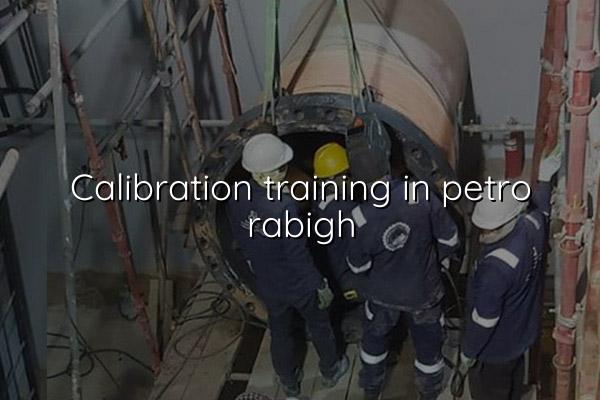
Calibration training in Petro Rabigh helps your team handle instruments with more confidence, better records and fewer avoidable errors. If you're managing a workshop, utility area, lab or maintenance crew, this page shows what to expect from real training that fits industrial work in Saudi Arabia.
We train engineers and technicians who deal with pressure gauges, thermometers, multimeters, torque tools, dimensional instruments and the paperwork that sits behind them. In our experience, the biggest gaps are rarely about theory; they're about habits, traceability, and doing the same good process every time.
Calibration Training in Petro Rabigh for day-to-day industrial work
Most enquiries from Petro Rabigh come from people who need practical support, not classroom theory alone. They want technicians who can read a certificate, understand tolerance, check a device before use, and keep a calibration record that stands up during internal review or an ISO/IEC 17025-linked audit. That matters in oil & gas, petrochemical, utilities, manufacturing and cold-chain support, where one sloppy reading can spread into maintenance delays and repeat work.
What we cover in the workshop
Our calibration management techniques sessions focus on the parts that actually affect job performance. We talk through instrument handling, acceptance criteria, traceability, basic uncertainty awareness, out-of-tolerance decisions, and how to build a simple system for due dates and asset control. The content is useful for site teams in Rabigh and nearby industrial locations because it applies to the equipment people already use every shift.
Why the Saudi industrial setting changes the approach
Saudi plants often run mixed fleets of instruments, contractor tools and maintenance equipment, so the training has to be practical and disciplined. A technician may see a pressure gauge in the morning, an insulation tester after lunch and a torque tool before shift close. We keep the language plain and the examples real, so the team can return to work and apply the same method on live plant equipment, not just in a notebook.
- Start with the instrument list — identify what your team actually uses, from measuring tools to electrical test gear.
- Sort by risk and frequency — separate critical items from low-risk tools so the workflow matches the plant's priorities.
- Check traceability routes — review how certificates, standards and due dates are tracked across shifts and departments.
- Practice the decision points — work through pass, fail, adjustment and quarantine cases using real examples from site.
- Use training examples from pressure, thermal, electrical and mechanical instruments already in your plant.
- Keep a simple asset register with serial number, due date, location and status.
- Teach technicians how to spot damage, drift and missing labels before a tool goes into service.
- Include record control, because a good process fails fast if the paperwork is messy.
Typical calibration training topics and what teams usually need
| Topic | What staff learn | Where it helps |
|---|---|---|
| Traceability | How certificates link back to standards and reference equipment | Audit readiness and QA control |
| Acceptance decisions | How to compare readings against tolerance and usage limits | Maintenance workshops and labs |
| Instrument care | Storage, handling, cleaning and pre-use checks | Field work and daily operations |
| Record keeping | Due dates, asset tags, calibration status and corrective notes | Cross-shift control and supervision |
How training supports better calibration discipline
Good training does more than explain terms. It changes the way people treat instruments, from the first inspection to the final sign-off. When a team understands ISO/IEC 17025:2017 principles, ISO 9001:2015 quality habits, BS EN inspection expectations and EURAMET CG-15 electrical calibration guidance, they usually make cleaner decisions and fewer rushed calls.
Where managers usually see the difference
We often hear from supervisors who want fewer repeat checks, clearer handovers and less confusion about which instrument is fit for use. That shows up in day-to-day work on pressure calibration, mass and volume tools, torque equipment and electrical test sets. The gain is practical: fewer arguments, better records and a team that speaks the same process language.
Training that fits the plant floor
We keep the session grounded in real equipment, real tolerances and real paperwork. That helps your technicians apply the lesson the same week, not next quarter.
What your Petro Rabigh team can do after the session
After a proper workshop, technicians should be able to check whether an instrument is ready for service, identify obvious drift, and understand when to stop using an item and escalate it. They should also know how to read labels, certificates and calibration status without guessing. That sounds basic, but basic discipline is what keeps a plant tidy.
For teams supporting turnaround work, maintenance shutdowns or new equipment handover, the training also helps people speak more clearly with vendors and QA staff. When everyone uses the same terms, the process runs smoother. You spend less time untangling contradictions in reports and more time fixing the actual equipment.
Common modules we add for Saudi industrial sites
Depending on your team profile, we can include pressure, thermal, dimensional, mechanical and electrical measurement examples. If your group supports labs, we can also discuss calibration planning, lab layout, instrument care and the basics of managing reference standards. That blend works well for engineering teams in Rabigh, Jubail, Dammam Industrial City and other Saudi industrial zones.
- Improves technician confidence during internal checks and handovers.
- Reduces confusion around calibration labels and due dates.
- Helps supervisors set a cleaner instrument control routine.
- Supports audit preparation without turning the team into paperwork clerks.
How Mayon Industrial Services Can Help
We support calibration training in Petro Rabigh with the same practical mindset we use in our ISO/IEC 17025:2017 calibration work. Our team can connect the training to real instruments, lab discipline, onsite workflows, mechanical services, inspection routines and training for calibration management techniques. If you want your people to understand the process and not just the slides, we can help.
Call +91 99447 80844 (India) or +966 59 633 8012 (Saudi Arabia), email services@mayonservices.com, or message us on WhatsApp.
Frequently Asked Questions
It helps your team handle instruments properly, make better pass or fail calls and keep cleaner records. In a plant setting, that means fewer errors with gauges, electrical testers, torque tools and other daily-use equipment. The training is also useful when you're trying to tighten audit preparation and instrument control.
Technicians, supervisors, QA staff, maintenance planners and lab coordinators usually get the most value. If your team handles measuring tools, test equipment or certificate review, they can use the material right away. It also helps new hires who need a clean method from day one.
Yes, that's usually the best way to do it. We can build examples around the instruments your site actually uses, such as pressure gauges, thermometers, multimeters, torque equipment or dimensional tools. That makes the session far more useful than a generic lecture.
Yes, it supports the habits behind that standard: traceability, controlled records, careful handling and better decision-making. We're not trying to turn every attendee into a metrologist overnight. We're trying to give your team the practical discipline they need to work cleanly and consistently.
Yes. We work with clients across Saudi Arabia, India and the Middle East, including industrial and maintenance teams that need practical onsite support. If your site is in a nearby industrial area or another GCC location, we can discuss the best setup for your group.
Ready to build better calibration habits?
If your Petro Rabigh team needs training that feels relevant on the shop floor and in the QA office, speak with Mayon Industrial Services.
Contact Mayon