
Pressure Calibration Company in Petro Rabigh
Traceable pressure calibration for Petro Rabigh plants, contractors and maintenance teams, with onsite support and mobile lab capability.
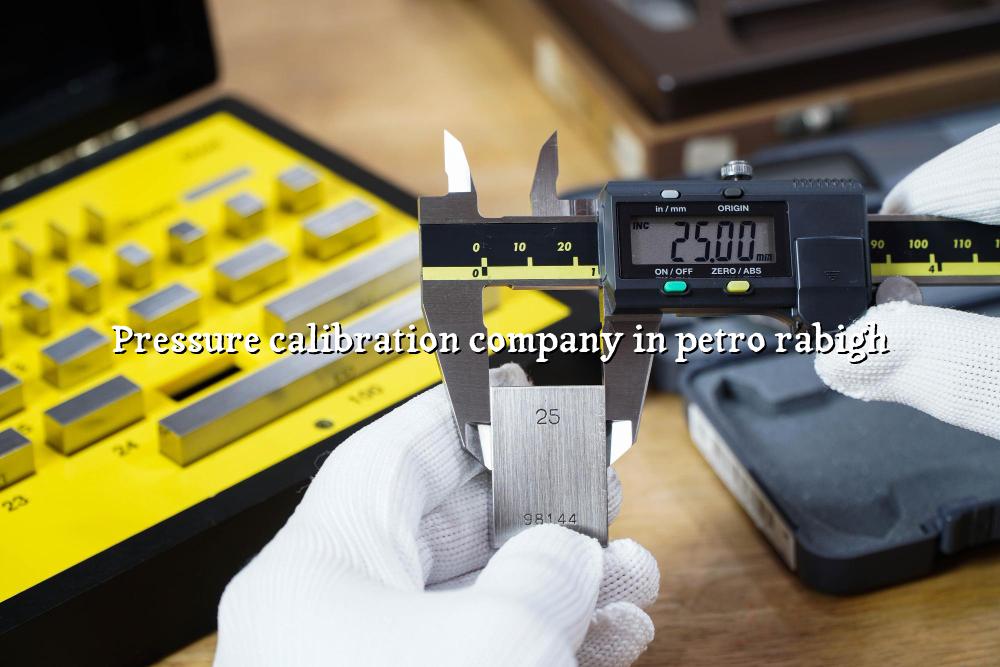
Pressure calibration company in Petro Rabigh searches usually come from a real plant problem: a gauge reading drifted, a transmitter needs checking before shutdown, or a contractor needs traceable records for handover. We help you keep pressure instruments honest, so you can trust what the plant is telling you and move work forward with fewer surprises.
Our team supports oil and gas, petrochemical, power and maintenance operations across Saudi Arabia from Dammam Industrial City 2, with mobile calibration lab support and an ISO/IEC 17025:2017 approach to traceability. For Petro Rabigh sites, that means practical help for production lines, utilities, tank farms, test skids and field equipment without turning a simple calibration into a long disruption.
What a pressure calibration company in Petro Rabigh should actually provide
In Petro Rabigh, pressure calibration is not just about putting a sticker on a gauge. You need a service that understands process safety, shutdown planning and the everyday realities of rotating equipment, utilities and pipeline support. We calibrate pressure gauges, digital indicators, transmitters, switches and related instruments using a controlled process that supports ISO/IEC 17025:2017 traceability, so your records stand up to QA review and contractor handover.
Where pressure calibration matters most
We see the same pressure points again and again: compressor skids, filter houses, hydraulic systems, boiler and steam lines, firewater systems and package units that can’t afford guesswork. If a reading is off by even a little, operators start second-guessing the system. That slows decisions. It also creates avoidable maintenance calls, especially when one inaccurate indicator makes an otherwise healthy line look unstable.
How we approach the work
Our process starts with identification and condition check, then we compare the device against suitable reference standards in a controlled lab or onsite setup. If the instrument needs special handling, our pickup and delivery option helps keep it protected during transit. For Petro Rabigh contractors, that matters because some items need stable conditions, careful packaging and clear chain-of-custody notes before they can be returned to service.
- Record the instrument details — we note model, serial number, range and the service condition so the calibration record matches the actual device.
- Inspect the item before testing — visible damage, leakage, corrosion or worn fittings are checked first, because those issues can affect results.
- Compare against traceable references — the unit is tested at relevant points across its working range, not just near one comfortable spot.
- Review readings and deviations — we look at error patterns, repeatability and whether the instrument still suits the application.
- Return with clear documentation — you get the outcome in a format your maintenance, QA and project teams can use without rewriting it.
- Use a provider that can work onsite when shutdown windows are tight.
- Ask for traceability details that match ISO/IEC 17025:2017 expectations.
- Keep serial numbers and range information ready before the visit.
- Separate critical instruments from general workshop gauges.
- Plan calibration around turnaround points, maintenance outages and pre-commissioning checks.
Pressure calibration options for Petro Rabigh sites
| Instrument type | Typical use | Best calibration setting |
|---|---|---|
| Analog pressure gauge | Local indication on panels, skids and utility lines | In-lab or onsite, depending on access and condition |
| Digital pressure gauge | Portable checks, temporary monitoring and test work | In-lab with controlled reference comparison |
| Pressure transmitter | Process control, alarms and DCS inputs | Onsite when wiring and loop verification are needed |
| Pressure switch | Interlocks, pump protection and safety functions | Onsite functional check with proper set-point verification |
Traceability, records and plant acceptance
For many Petro Rabigh customers, the calibration itself is only half the job. The other half is making sure the record is usable during audits, maintenance closeout and commissioning sign-off. We keep the documentation aligned with the actual instrument and the work carried out, because a vague certificate is almost as troublesome as a bad reading.
What good documentation should show
You should be able to see the device identity, range, test points, results and the condition at receipt. If there were issues with fittings, leakage or out-of-tolerance readings, those notes should be clear too. That level of detail helps QA teams, maintenance planners and third-party inspectors make a clean decision without chasing extra emails.
Built for plant realities, not paper-only jobs
Petro Rabigh operations often run under tight maintenance windows. Our onsite support, mobile calibration lab and pickup and delivery option help reduce handling risk while keeping essential pressure instruments moving back to service in an orderly way.
When onsite pressure calibration makes more sense
Onsite work is usually the right answer when the instrument is installed in a critical loop, when removal would take too long, or when the system needs a live functional check. That is common in Petro Rabigh utilities, production packages and maintenance shutdowns where teams want proof that the installed device is working in place. We come prepared for those jobs with mobile lab capability and the practical habit of working around real plant access issues.
In-lab calibration still has a place, especially when the instrument needs cleaner conditions, tighter control or special handling. A temperature-controlled laboratory helps when the device is sensitive, or when the customer wants the neatest possible setup for comparison and documentation. We’ll tell you which route makes more sense after looking at the instrument, the site condition and the service window.
Common reasons teams choose onsite work
We get called when a line can’t be isolated for long, when several instruments need checking in one visit, or when a maintenance team needs immediate confirmation before startup. That’s normal in refinery and petrochemical work. It’s also why pressure calibration support should feel practical, not ceremonial.
- Confirm the service scope — decide whether the job is gauge-only, loop-based, or part of a wider maintenance package.
- Check access and isolation points — this helps avoid wasted time once the team is onsite.
- Prepare the instrument list — model, serial and range details make the visit smoother.
- Review the result against the application — a reading can be acceptable for one duty and unsuitable for another.
- Onsite calibration reduces removal and reinstallation risk.
- In-lab work suits sensitive or special-condition instruments.
- Pickup and delivery helps when items need careful transit.
- A mobile calibration lab helps keep field work efficient.
- Clear records support QA checks and maintenance handover.
Why Petro Rabigh teams ask for pressure specialists, not general repair shops
Better fit for audit needs
Pressure instruments in regulated plants are often reviewed during internal QA, shutdown readiness and contractor closeout. A focused calibration provider gives you cleaner records and fewer follow-up questions.
Less handling, fewer delays
Moving instruments back and forth across site can create damage, loss or confusion. Our onsite and mobile options reduce that friction, especially for the items that are needed every day.
More useful results
What matters is not just whether a device passes. You also need to know how it behaved across the range, so maintenance can decide whether to keep it in service, repair it or replace it.
How Mayon Industrial Services Can Help
If you need a pressure calibration company in Petro Rabigh, we can support you with onsite calibration, controlled in-lab work, pickup and delivery for delicate instruments, and the documentation your QA team expects. We also support related work such as condition monitoring, mechanical services, electrical testing and commissioning, and lab setup when your project needs more than one skill set.
Call +91 99447 80844 (India) or +966 59 633 8012 (Saudi Arabia), email services@mayonservices.com, or message us on WhatsApp.
Frequently Asked Questions
Honestly, the best fit is usually the one that can work safely at your site, give traceable results and handle the paperwork without drama. For Petro Rabigh, that often means a provider with onsite capability, a mobile calibration lab and experience with oil and gas plant conditions. We focus on that kind of work every day.
Yes, many of them can. Onsite calibration is common for installed gauges, transmitters and switches when removal would disrupt the process or risk extra handling. The exact setup depends on the instrument, the access point and whether you need a functional check or a full comparison.
You should expect the instrument identity, range, test points, results and the condition at receipt. If there were leakage, damage or out-of-tolerance readings, those notes should be shown clearly too. Good records save time later when QA or the project team reviews the work.
Yes. We often support shutdown windows, pre-start checks and commissioning activities where pressure instruments need to be verified before handover. Those jobs usually need clear planning, a tidy instrument list and a practical visit plan, so we keep the process straightforward.
Our calibration work is aligned with ISO/IEC 17025:2017, which is the key competence standard customers in Saudi Arabia and the wider region expect for traceable measurement work. We also operate with ISO 9001:2015 quality management practices where they fit the job flow. The goal is simple: reliable results and records you can use.
Need pressure calibration support for your Petro Rabigh site?
Send us the instrument list, and we’ll help you choose the right onsite or in-lab approach for your pressure devices.
Contact Mayon