
Cold Cutting Service Company in Hail
Need spark-free cutting for shutdowns, live sites, or tight plant areas in Hail? Our team handles controlled work with the right tools and setup.
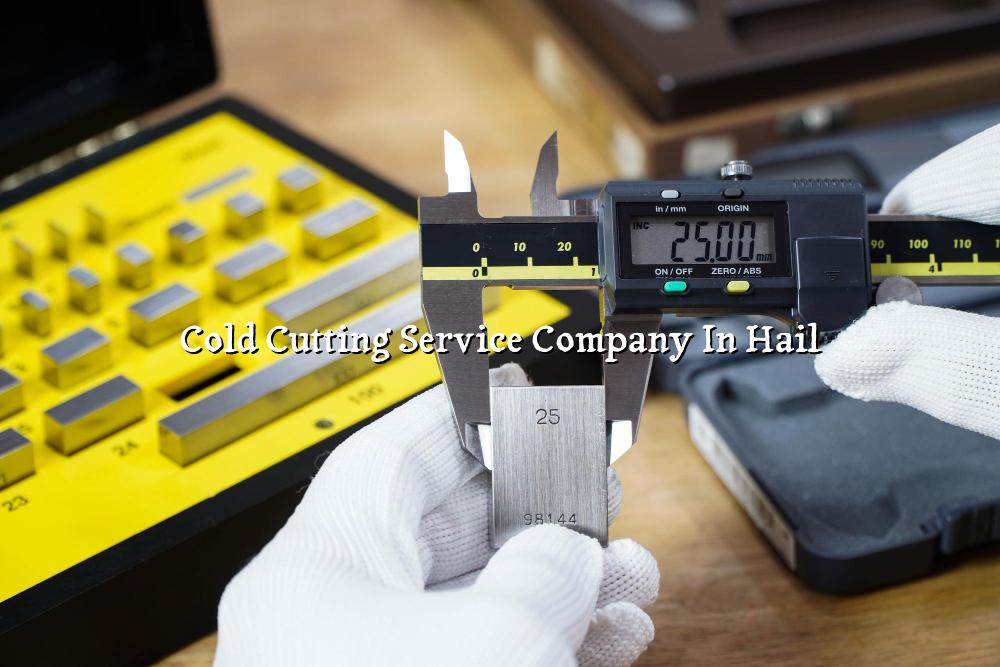
Cold cutting service company in Hail is the search most teams make when a hot work permit would slow the job down or make it risky. We help you cut pipe, plate, and structural sections without sparks, flame, or unnecessary heat distortion, so the work can stay controlled and tidy.
In Hail’s industrial zones, plant shutdown windows are often short and access can be awkward. Our approach fits maintenance teams, contractors, and project managers who need clean cuts for oil & gas skids, fabrication work, utilities, and plant modifications without disturbing nearby equipment.
Cold Cutting Service Company in Hail for Controlled Industrial Work
When you hire a cold cutting service company in Hail, you’re usually trying to solve one of three problems: fire risk, heat-sensitive equipment, or a cut that has to be accurate on the first pass. We use controlled methods for pipe and structural cutting where sparks, open flame, and excessive heat are not welcome. That matters in refineries, compressor stations, workshop yards, and fabrication areas where nearby lines or coatings can’t be exposed to hot work.
Where this method works best
We see demand from oilfield support crews, petrochemical contractors, power sites, and plant maintenance teams that need work carried out around live systems. It also helps on stainless steel lines, coated pipe, and assemblies that need a cleaner edge for later flange work, welding, or fit-up. If the next stage depends on alignment, a rough thermal cut can cost you more time than the cutting itself.
What you get from a proper setup
A good cut is only part of the job. The real value is in the setup, isolation, measurement, and finishing. Our team plans access, confirms the material and wall thickness, and chooses the right cold cutting method for the site condition. That reduces rework and keeps the job aligned with the wider maintenance plan.
- Site review and isolation — we check the work area, identify nearby hazards, and confirm what must stay protected.
- Cut plan and method selection — the team matches the cutting method to the pipe size, section type, and access available.
- Controlled cutting execution — we carry out the cut with attention to line stability, edge quality, and surrounding equipment.
- Edge finishing and handover — the cut area is cleaned, checked, and prepared for the next stage of installation or repair.
- Use cold cutting when sparks could damage coatings, insulation, or adjacent lines.
- Confirm the cut is needed before shutdown work starts; that saves hours on site.
- Ask for a method that suits pipe, plate, or structural members instead of one general tool.
- Keep measurement and marking separate from the cutting step to reduce mistakes.
- Plan for the next operation, such as flange work, fit-up, or welding, before the cut begins.
Cold Cutting Options and What They Suit Best
| Work Type | Typical Use | Why It Fits |
|---|---|---|
| Pipe cutting | Process lines, utility piping, site modifications | Helps keep heat away from sensitive systems and nearby finishes |
| Structural cutting | Frames, supports, platforms, skid modifications | Gives a cleaner cut for dismantling and rework |
| Coated material cutting | Sections with paint, lining, or corrosion protection | Reduces thermal damage to surrounding surfaces |
| Maintenance shutdown work | Planned plant intervention and tie-ins | Fits controlled work where hot work is restricted |
Why Hail Projects Ask for Cold Cutting
Many site teams in Hail need a method that avoids flames because they’re working near oil, gas, dust, or live plant. Cold cutting also helps when you need repeatable results for later fabrication work, especially where flange faces, alignment, or pipe ends must stay clean. We’ve found that maintenance managers usually care about one thing here: can the cut be done without creating another problem? That’s the right question.
Keeping the next stage simple
Good cutting work should make the next task easier, not harder. If the edge is rough, misaligned, or heat-affected, the crew that follows will spend time correcting it. That becomes expensive in shutdown work. A controlled cut supports the wider job, from hydrotesting prep to mechanical fit-up and commissioning support.
Made for plant reality
We work around tight access, active maintenance zones, and sections that need careful handling. That includes industrial yards in Hail and related work across Saudi Arabia and the Middle East, where field teams often need practical support rather than a long explanation.
What an Onsite Cold Cutting Team Should Bring
Onsite work is rarely just about the tool in the hand. You need the right measuring gear, cut marking, access planning, and a crew that knows how to work around live plant rules. For Hail customers, that can mean a workshop yard, a production area, or a maintenance shutdown where every minute counts. The best service teams don’t just arrive and start cutting; they check the sequence first.
We also pay attention to what comes after the cut. If the section needs to be removed for repair, replaced, or handed to another contractor for welding or installation, the finish matters. A tidy cut saves time during fit-up and reduces arguments on site. That’s the difference between a job that moves and a job that keeps stalling.
Common reasons clients call us
Some want pipe removed for a replacement spool. Some need structural members shortened for a retrofit. Others need a cleaner process than flame cutting because the site rules are strict. In every case, the real goal is the same: finish the intervention without creating sparks, distortion, or a poor edge.
- Suitable for shutdowns where hot work is restricted.
- Useful for tight plant spaces and awkward access points.
- Helps keep nearby equipment, paint, and insulation protected.
- Supports later mechanical or fabrication work with a cleaner finish.
How Mayon Industrial Services Can Help
We support cold cutting jobs with the same practical mindset we bring to mechanical services, inspection, and field engineering. If your scope also needs flange work, hydrotesting support, alignment checks, or later calibration of instruments used on the job, our team can handle the wider package. That gives you one point of contact and less back-and-forth on site. If you need controlled cutting in Hail, get in touch and we’ll talk through the job properly.
Call +91 99447 80844 (India) or +966 59 633 8012 (Saudi Arabia), email services@mayonservices.com, or message us on WhatsApp.
Frequently Asked Questions
It’s used when you need controlled cutting without sparks or flame. Most often, that’s pipe, structural steel, or site modification work in places where hot work is restricted. In Hail, that usually means industrial maintenance, shutdown support, and fabrication prep.
Yes, if the job is planned correctly and the site conditions allow it. The key is access, isolation, and choosing the right cutting method for the material and surrounding equipment. We usually review the area first so the team on site knows what to expect.
Often, yes. Cold cutting helps reduce thermal damage to coatings, nearby surfaces, and sensitive components. If the next step depends on a clean edge or fit-up, it’s usually the safer option to discuss first.
We usually see interest from oil and gas support work, petrochemical facilities, power-related maintenance, and general industrial fabrication. Construction and engineering contractors also call when they need a clean, controlled cut before assembly or repair.
We handle more than cutting. Our team also supports mechanical services, flange work, hydrotesting, testing and commissioning, inspection, and related engineering tasks. That helps when the cutting job is part of a wider maintenance scope.
Ready to book spark-free cutting in Hail?
Send us your scope, and we’ll help you plan the safest and cleanest approach for the work ahead.
Contact Mayon