
Cold Cutting Service Company in Safaniya
Spark-free cutting for live plant conditions, maintenance shutdowns, and offshore work in Safaniya.
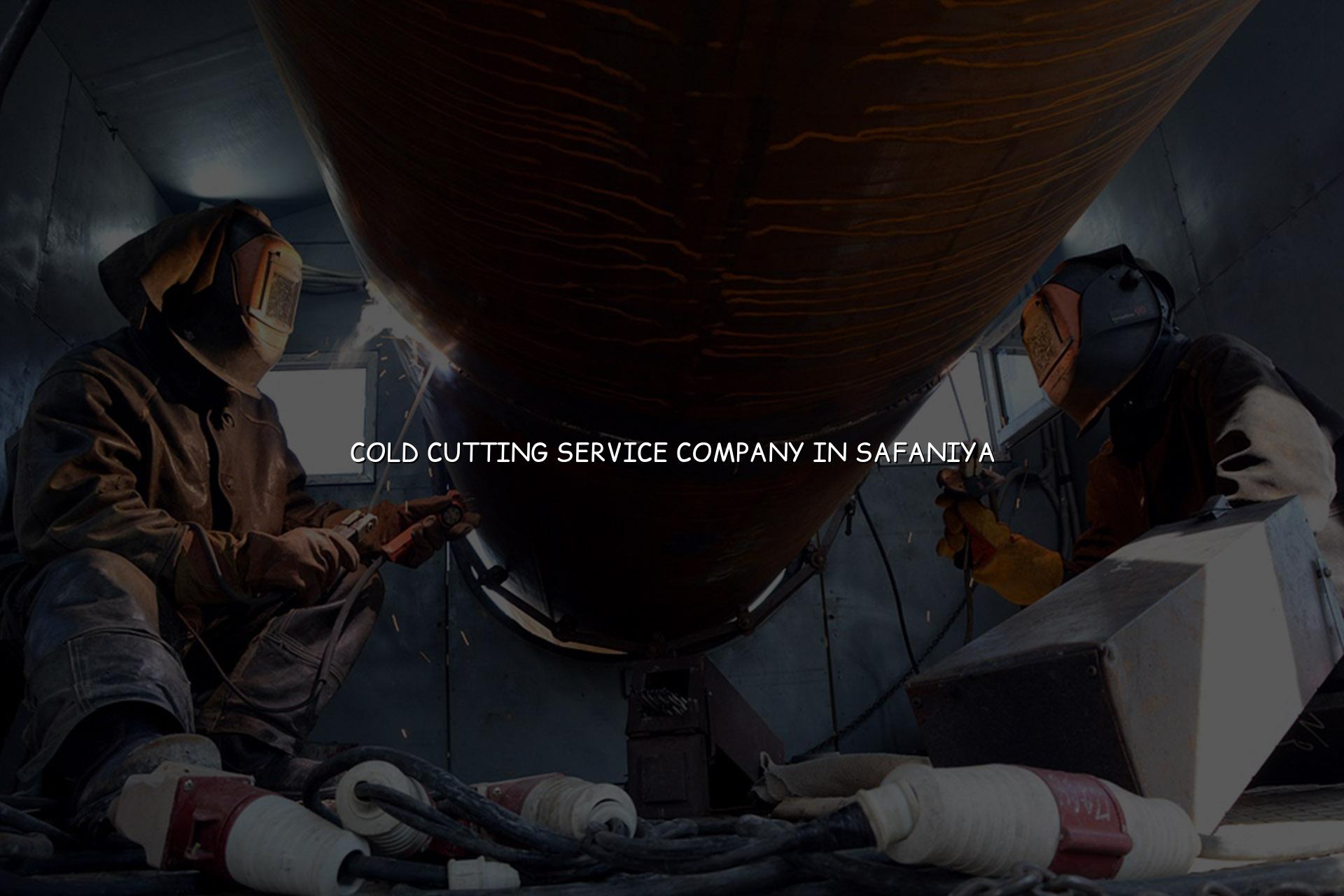
Cold cutting service company in Safaniya is the phrase people use when they need pipe or structural cutting done without hot work, sparks, or extra heat around sensitive plant areas. We handle that kind of work for maintenance teams who want clean edges, controlled execution, and fewer headaches during shutdowns.
From Safaniya’s offshore and nearshore assets to larger industrial zones in Saudi Arabia, the same need keeps coming up: cut the steel, keep the risk down, and protect surrounding equipment. That’s where our mechanical team fits in, with field-ready methods for live plant conditions, constrained access, and work that needs proper planning before the first cut.
Cold Cutting Service Company in Safaniya for Plant-Safe Work
Cold cutting is used when you need separation without the flame, grinding heat, or uncontrolled sparks that come with traditional hot work. In Safaniya, that matters on hydrocarbon facilities, utility runs, skids, pipe racks, and equipment supports where a permit-by-permit approach is normal and the margin for error is small. We plan the cut line, isolate the area, and use the right method for the material and the access you’ve got.
Where this service fits best
Most requests we get are for pipework modifications, decommissioning, emergency removal, and maintenance access where a hot-work permit would slow everything down. We also see it on corroded lines, damaged supports, and sections that need removal before flange work, hydrotesting, or reinstallation. The point is simple: get the component out cleanly without creating another problem.
Why teams choose cold cutting over hot work
People usually want three things at once: safety, control, and a decent cut face for the next step. Cold cutting helps with all three. You avoid heat-affected zones, reduce fire watch burden, and keep nearby coatings, seals, and sensitive instruments from taking unnecessary abuse. On busy Saudi sites, that can make a real difference when shutdown windows are tight and the work area is shared with other trades.
- Site review and permit check — we confirm the asset type, access limits, isolation needs, and any safety conditions before we start.
- Mark-up and protection — the cut point is identified, surrounding equipment is shielded, and the team sets up the work zone.
- Controlled cutting — we use the chosen cold cutting method to separate the part with minimal disturbance to the rest of the assembly.
- Final inspection and handover — the cut face, surrounding area, and removed section are checked so the next mechanical step can move ahead.
- Cold cutting is a better fit than flame cutting near hydrocarbons, insulation, seals, or coated surfaces.
- Good access planning saves time because clamps, scaffolds, and lifting points may be needed before cutting begins.
- The cut method should match the material thickness and the final use of the piece, not just the quickest option.
- If the section will be reworked later, the edge quality matters just as much as the removal itself.
Choosing the Right Cutting Method in Safaniya
| Method | Best use | Typical site concern |
|---|---|---|
| Cold cutting | Pipe removal, maintenance access, controlled dismantling | Needs planning, access, and the right tooling |
| Flame cutting | Open fabrication areas away from sensitive equipment | Heat, sparks, and fire-watch burden |
| Grinding and manual separation | Small local trimming or finish work | Slow on thick sections and harder to control |
| Mechanical sawing | Straight cuts on accessible pipe or section steel | Space and clamping requirements can be high |
What Good Cold Cutting Looks Like on an Industrial Site
Good cold cutting isn’t just “cutting without heat.” It’s a controlled job with the right isolation, a clear sequence, and proper handling of the removed component. On oil and gas assets around Safaniya, that usually means checking for residual content, protecting adjacent lines, and making sure the work zone is set up so the crew can move without improvising.
What the client gets from a disciplined setup
You get less disruption, fewer surprises, and a cleaner interface for the next trade. That could mean flange facing, bolt torquing, hydrotesting, or reinstallation after the old section comes out. In our experience, the jobs that go well are the ones where the mechanical team spends time on prep instead of rushing to the cut.
Typical Safaniya use cases
Pipe replacement, structural removal, temporary access creation, damaged spool extraction, and shutdown work on facilities where hot work is not the first choice. We also see requests from maintenance teams who need a clean cut before inspection or fabrication follow-up.
How We Approach Cold Cutting Jobs in Safaniya
We start by looking at the asset, not the tool. Pipe size, wall thickness, coating, nearby services, elevation, and access all influence the approach. On an offshore or coastal site, the practical questions matter: can the crew reach it safely, can the area be isolated properly, and what comes after the cut?
That way of working helps reduce rework. It also keeps the mechanical sequence aligned with the rest of the shutdown plan, which is where many site delays usually begin.
Materials and conditions we see often
Carbon steel pipe is common, but we also see brackets, support steel, skids, and mixed assemblies that need careful handling. Corrosion, paint build-up, residual product, and cramped access all change the job. A clean shop drawing is helpful, but the real answer still comes from the site.
Why local industrial teams ask for a single contractor
When one team can handle cutting, allied mechanical work, and coordination with inspection or commissioning, the job tends to move with less friction. That’s especially true in Saudi industrial settings where multiple contractors are often working at once. A single point of responsibility helps keep the scope clear.
- Site review should happen before any cut is approved.
- Adjacent assets need protection from debris and accidental contact.
- The next step after cutting should be planned in the same work pack.
- Clean handover notes help maintenance and inspection teams move faster.
How Mayon Industrial Services Can Help
Mayon Industrial Services supports cold cutting with the same practical mindset we use for mechanical work, inspection, and testing. If your Safaniya job needs controlled removal, flange-related work, or coordination with commissioning and maintenance, we can plan the scope and bring the right field team. We also work alongside calibration, NDT, and other service lines when the job needs more than one discipline.
Call +91 99447 80844 (India) or +966 59 633 8012 (Saudi Arabia), email services@mayonservices.com, or message us on WhatsApp.
Frequently Asked Questions
It’s used when you need to remove pipe, steel, or equipment parts without hot work. On Safaniya sites, that usually means safer removal near hydrocarbon lines, coated surfaces, or areas where sparks are a bad idea. It’s a common choice for shutdowns, modifications, and dismantling.
In many offshore or hydrocarbon settings, yes, because you avoid sparks and heat at the cut point. That said, the best method still depends on access, material thickness, and what the site team needs after the cut. We look at the job first, then pick the method.
Yes, that’s one of the main reasons clients ask for it. Installed pipework can often be cut in place if the area is isolated, the supports are checked, and the crew has enough room to work safely. The setup matters as much as the cutting itself.
Oil and gas is the most obvious one, but we also see demand from petrochemical, power, construction, and maintenance contractors. Any site with sensitive equipment, limited shutdown windows, or strict safety controls may prefer cold cutting for part of the job.
Yes. We often combine cutting with flange work, hydrotesting support, bolt torquing, or testing and commissioning tasks. That helps keep one contractor responsible for the mechanical sequence instead of passing the job between multiple teams.
Send us the site location, a short scope, and any drawings or photos you have. We’ll use that to discuss access, safety conditions, and the mechanical follow-up so the work pack is clearer before mobilization begins. If you already have a shutdown plan, include that too.
Need spark-free cutting for a Safaniya job?
Send us the scope and we’ll help you plan a safer mechanical removal path for your site.
Contact Mayon